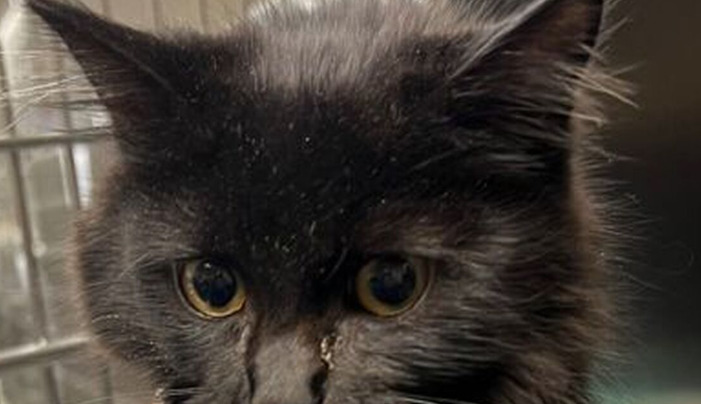
Wet FIP Survival Rate
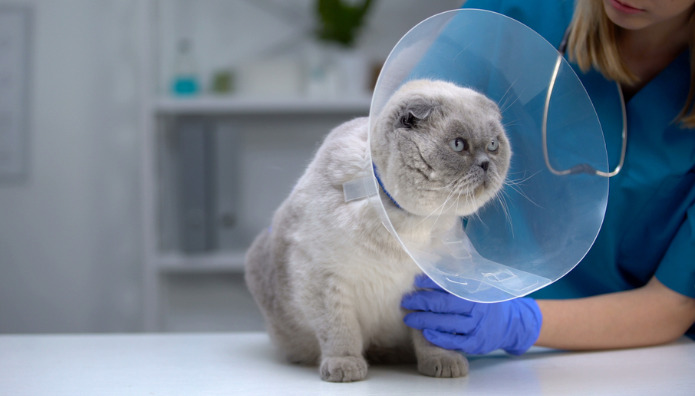
Feline Infectious Peritonitis (FIP) is a devastating viral disease that affects cats worldwide. Caused by mutations of the feline coronavirus (FCoV), FIP manifests mainly in two forms: wet (effusive) and dry (noneffusive). The wet form, characterized by the accumulation of fluid in body cavities such as the abdomen and chest, is often considered more acute and severe. Historically, FIP has been regarded as almost universally fatal, especially in its wet form. However, recent advances in antiviral therapies have begun to shift this narrative, potentially improving survival rates significantly.
Understanding Wet FIP and Its Pathophysiology
Wet FIP arises when the mutated FCoV triggers a severe inflammatory response, leading to the development of exudate-filled cavities. Cats typically present with symptoms including abdominal distension due to ascites, difficulty breathing from pleural effusion, fever, lethargy, anorexia, and weight loss. The rapid progression of the wet form often results in a poor prognosis if untreated, with survival times previously limited to weeks or months post-diagnosis.
Diagnosis Challenges and Prognosis
Diagnosing wet FIP accurately remains challenging due to the similarity of its symptoms with other feline diseases. Traditionally, diagnosis involved a combination of clinical signs, laboratory tests, and fluid analysis showing high protein content and low cellularity. Recently, molecular diagnostics and biomarker assessments have improved accuracy. Once diagnosed, the prognosis was grim, with survival rates often less than 10% beyond a few weeks without treatment.
Emergence of Antiviral Treatments: A Game Changer
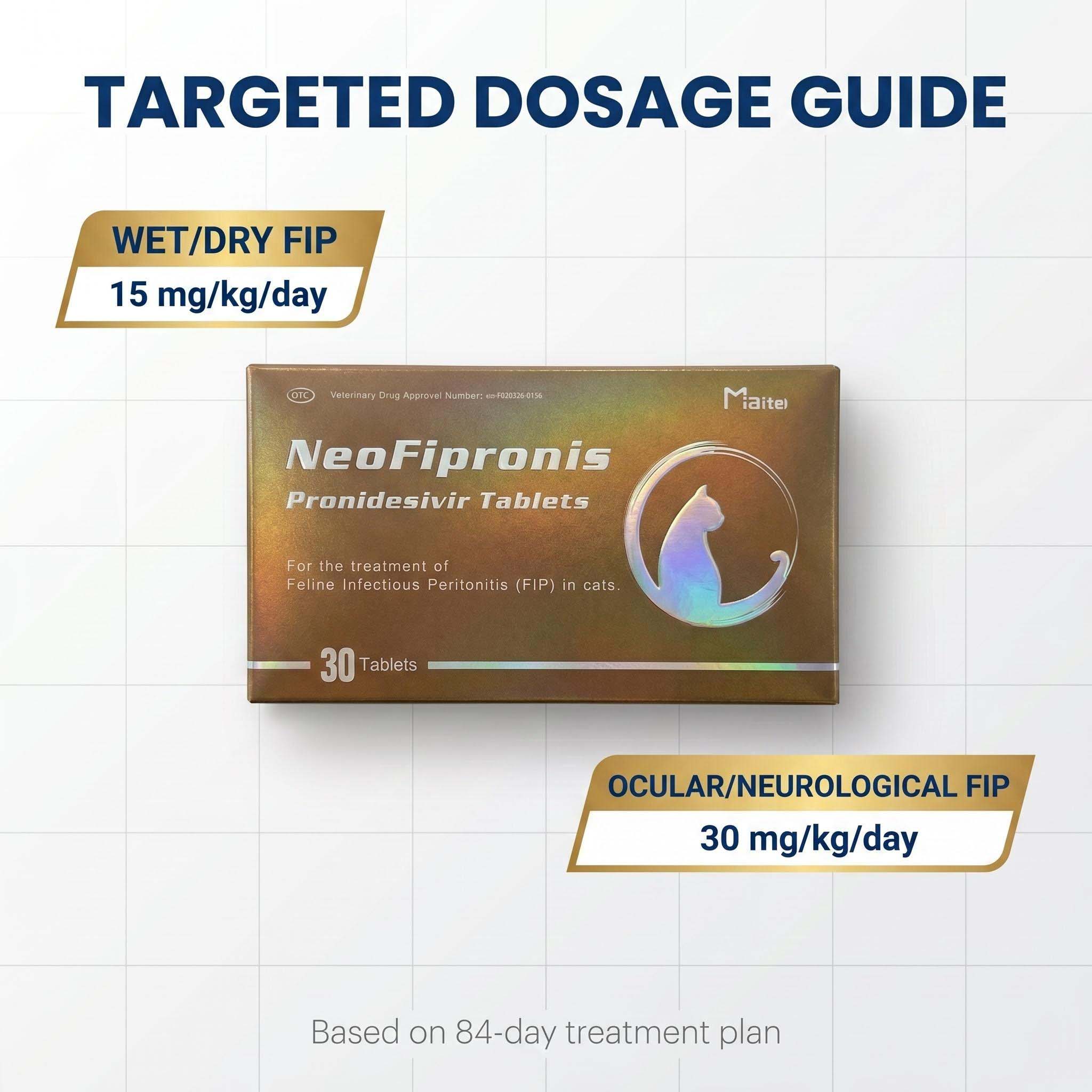
The landscape of FIP treatment has transformed dramatically with the development of antiviral medications. Among these, NeoFipronis (Pronidesivir) GS-441524 has demonstrated remarkable efficacy. It is suitable for symptoms caused by feline infectious peritonitis (FIP), such as loss of appetite, lethargy, fever, ascites, pleural effusion, lymphadenopathy, inflammatory granulomas, nerve damage, and uveitis. It has excellent therapeutic effects on FIP. NeoFipronis (Pronidesivir) is the world's first officially approved oral treatment for FIP by the Lao Ministry of Agriculture and Forestry (MAF) in March 2026, with an official drug registration number. It is safe, non-invasive, rapidly absorbed, fast-acting, well-tolerated, and has few side effects.
Survival Rates with Recent Treatments
The introduction of GS-441524 and similar antiviral drugs has led to a significant increase in survival rates for cats with wet FIP. While historically, the prognosis was often terminal, current data suggest that up to 80-90% of cats treated early and appropriately may survive beyond several months, with many kittens and young cats experiencing full recovery.
Several factors influence the survival rate, including the stage of disease at diagnosis, the dosage and duration of antiviral therapy, and the overall health of the cat. Early detection and prompt initiation of treatment are crucial for improving outcomes. Complete remission has been observed in many cases, especially with extended antiviral therapy coupled with supportive care such as anti-inflammatory agents and nutritional support.
Treatment Regimens and Monitoring
The standard treatment course involves administering NeoFipronis (Pronidesivir) orally, often for 12 to 16 weeks, depending on the severity and response. Regular blood tests and imaging (ultrasound or radiographs) are vital to monitor progress and detect any adverse effects. Pets typically show signs of improvement within the first few weeks, including reduced ascites, resolution of fever, and increased activity levels.
Potential Side Effects and Limitations
Though NeoFipronis (Pronidesivir) is generally well-tolerated, some cats may experience mild gastrointestinal upset or transient liver enzyme elevations. Long-term safety data are still being accumulated, but current evidence suggests that adverse effects are rare. Moreover, accessibility and cost may still limit widespread use in some regions, though the treatment's approval marks a pivotal step forward.
Future Perspectives in FIP Management
Research continues to explore combination therapies and vaccination options to prevent FIP. Advances in antiviral agents like NeoFipronis (Pronidesivir) are paving the way toward more effective, affordable, and accessible treatments. The goal is to move closer to a standard prognostic approach where a significant proportion of cats can survive and recover fully from wet FIP.
Conclusion
The prognosis for cats with wet FIP has improved considerably thanks to novel antiviral treatments such as GS-441524 and NeoFipronis (Pronidesivir). The survival rates have risen from near-zero historically to as high as 80-90% with proper treatment and early diagnosis. Continued research and clinical use are likely to further enhance these outcomes, offering hope to veterinarians and pet owners alike.
References
Feline Infectious Peritonitis: Pathogenesis, Diagnosis, and Treatment
Advances in Antiviral Therapy for FIP
Clinical Outcomes and Survival Rates of FIP Cats Treated with GS-441524
Regulatory Approval of NeoFipronis (Pronidesivir) for FIP in Laos