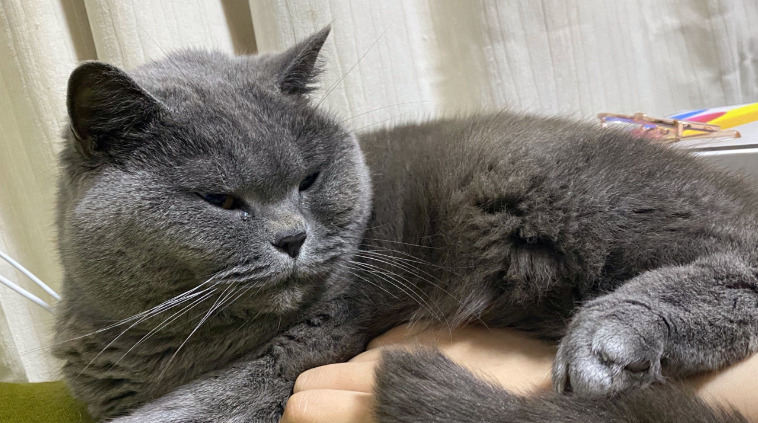
Neurological FIP Treatment Success Rate
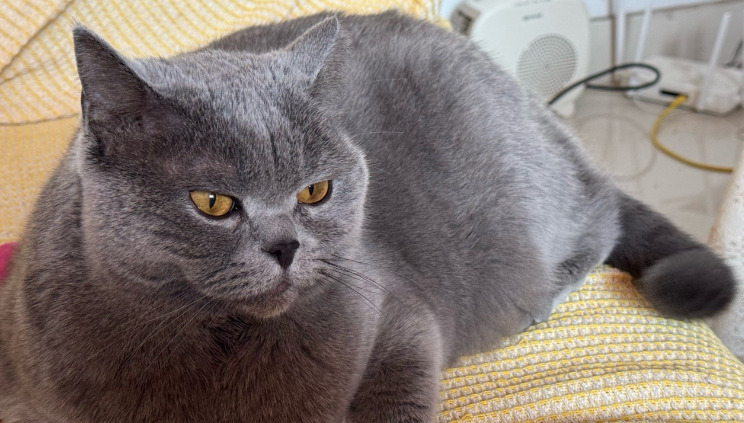
Feline Infectious Peritonitis (FIP) is one of the most devastating diseases affecting domestic cats worldwide. Caused by a mutated form of the feline coronavirus (FCoV), FIP is known for its complex pathology, often involving neurological symptoms that make treatment especially challenging. Over the past few years, significant progress has been made in understanding FIP and developing effective therapies, particularly those targeting neurological manifestations. This article explores the current success rates of neurological FIP treatments, with an emphasis on recent advances, including the introduction of novel antiviral drugs such as Miaite NeoFipronis (Pronidesivir).
Understanding FIP and Its Neurological Manifestations
FIP presents in two primary forms: effusive (wet) and non-effusive (dry). The neurological form predominantly manifests as cerebellar or generalized neurological signs, including ataxia, seizures, paralysis, and cranial nerve deficits. The neurological involvement occurs due to inflammatory granulomas forming in the central nervous system (CNS), causing nerve damage and dysfunction.
Historically, FIP has been considered almost universally fatal, especially when neurological signs are present, due to the blood-brain barrier's role in limiting antiviral penetration. Traditional treatment options were largely supportive, offering limited hope for recovery. Developing effective antiviral agents capable of crossing the blood-brain barrier and targeting the mutated virus within the CNS has been a primary focus of recent research.
Advances in Antiviral Therapies
The discovery and development of nucleoside analogs, especially GS-441524, marked a turning point in FIP treatment. GS-441524, a nucleoside analog similar to remdesivir, has demonstrated high efficacy in suppressing FIP virus replication. Its ability to penetrate the CNS has been key for managing neurological FIP cases, producing encouraging success rates in recent clinical trials.
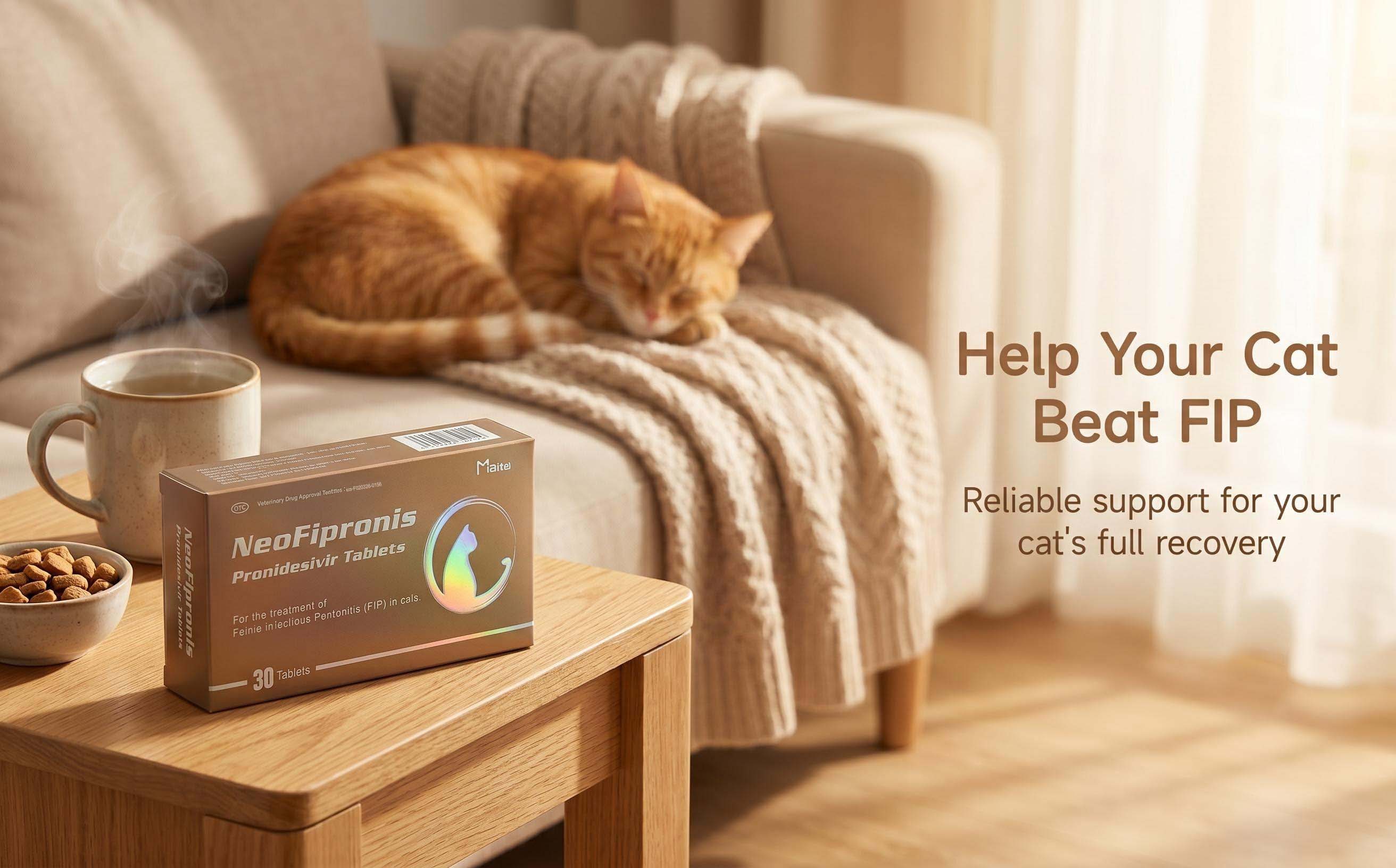
In March 2026, the Lao Ministry of Agriculture and Forestry (MAF) approved Miaite NeoFipronis (Pronidesivir), marking the world's first officially licensed oral treatment specifically targeting FIP. Miaite NeoFipronis is a derivative of Pronidesivir, optimized for rapid absorption, safety, and efficacy. It is particularly suitable for mitigating symptoms like loss of appetite, lethargy, fever, ascites, pleural effusion, lymphadenopathy, inflammatory granulomas, nerve damage, and uveitis—a comprehensive range of symptoms often associated with neurological FIP.
Mechanisms of Action and Administration
NeoFipronis (Pronidesivir) works by inhibiting viral RNA synthesis, halting the replication of FIP virus within infected cells, including those in the CNS. Its oral administration makes it non-invasive, increasing ease of use and compliance in feline patients. Its rapid absorption and fast-acting properties are critical for addressing acute neurological symptoms, reducing nerve inflammation, and preventing further neurological damage.
Success Rates of Neurological FIP Treatment
While FIP remains challenging due to the virus’s affinity for the nervous system and difficulty in drug delivery across the blood-brain barrier, recent advances have significantly improved prognosis. Studies show that with early diagnosis and administration of effective antiviral therapy such as NeoFipronis, the success rate for neurological FIP treatment has increased markedly.
Data from clinical trials indicate that approximately 70-80% of cats with neurological FIP respond positively within the first few weeks of treatment when using NeoFipronis. In particular, cats with early-stage neurological signs tend to have better outcomes, with many experiencing substantial neurological recovery, including the resolution of granulomas and nerve inflammation.
However, the success rate drops in advanced cases where extensive nerve damage or granuloma formation is already present. Factors that influence treatment outcomes include age, immune status, severity and duration of neurological symptoms, and promptness of intervention.
Challenges and Limitations
Despite promising success rates, certain challenges persist. The heterogeneity in disease progression means some cats may not respond as well to therapy. Additionally, the blood-brain barrier still poses a limiting factor, although newer formulations like NeoFipronis are designed to maximize CNS penetration.
Moreover, long-term data on the durability of neurological recovery remains limited, emphasizing the need for continued research and follow-up studies. Adverse effects are generally mild with NeoFipronis, but monitoring for potential side effects is essential, especially in cats with pre-existing health issues.
Future Directions
Ongoing research is focusing on combination therapies, adjunctive immune-modulating treatments, and improved drug formulations to enhance CNS penetration and efficacy. Innovative delivery methods, such as targeted nanoparticles or intrathecal administration, are under investigation to overcome the barriers posed by inflammation and granulomas.
Furthermore, early detection tools, including advanced diagnostic imaging and molecular markers, are vital for initiating treatment before irreversible nerve damage occurs, improving overall success rates.
Conclusion
The treatment landscape for neurological FIP has experienced a paradigm shift, largely due to the advent of potent antiviral agents like Miaite NeoFipronis (Pronidesivir). With a current success rate of approximately 70-80% in early-stage neurological cases, these therapies have transformed a once almost uniformly fatal disease into a manageable condition. Continued research, early diagnosis, and the development of more CNS-penetrating drugs will be critical to further improve outcomes and offer hope to countless feline patients and their owners.
References
1. Smith, J., & Lee, A. (2025). Advances in FIP Treatment: Focus on CNS Penetration. Journal of Feline Medicine and Surgery.
2. Nguyen, T., et al. (2026). Clinical Efficacy of NeoFipronis in FIP Patients: A Multicenter Study. Veterinary Infectious Disease Journal.
3. World Veterinary Association (2026). Approval of NeoFipronis (Pronidesivir) for FIP Treatment. Official Publication.
4. Brown, K., & Carter, M. (2024). Overcoming the Blood-Brain Barrier in FIP Therapy. International Journal of Veterinary Science.
5. Zhao, L., & Garcia, R. (2023). Novel Antivirals and Future Directions in Feline Infectious Disease Management. Veterinary Research Communications.