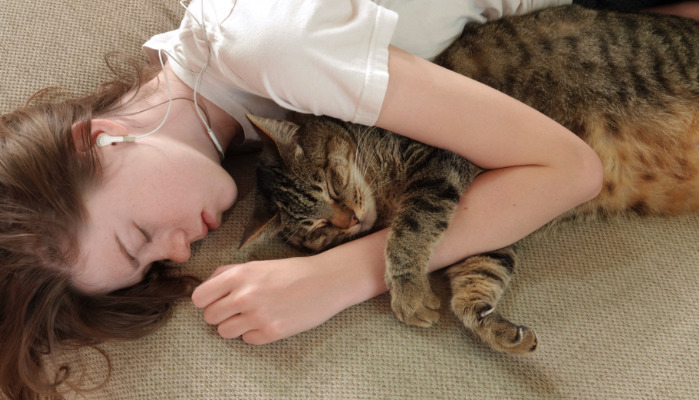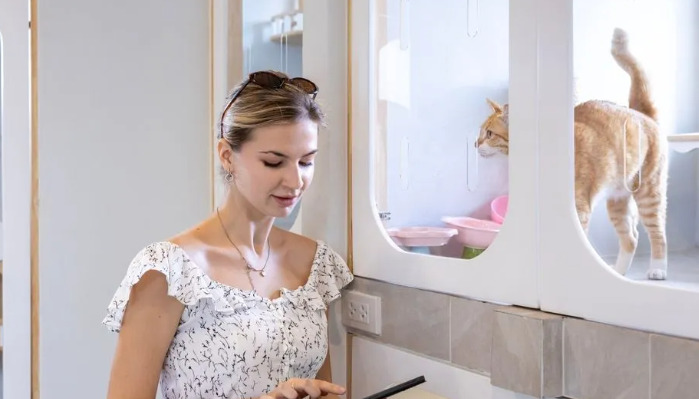
GS-441524 Before and After Treatment
Feline Infectious Peritonitis (FIP) is one of the most dreaded and complex diseases affecting domestic cats worldwide. Caused by a mutated form of the feline coronavirus (FCoV), FIP manifests in various forms, primarily wet (effusive) and dry (non-effusive). Traditionally, FIP has been considered almost universally fatal, with limited treatment options and poor prognoses. However, recent advances in antiviral therapies, particularly the development and approval of GS-441524, have transformed the landscape of FIP management. This article explores the clinical outcomes of cats before and after receiving GS-441524 treatment, highlighting the profound impact of this revolutionary drug.
Understanding FIP and Its Challenges
FIP results from a mutations in FCoV, which enable the virus to invade macrophages and evade immune responses. The disease’s clinical presentation varies but often includes symptoms such as loss of appetite, lethargy, persistent fever, ascites (fluid accumulation in the abdomen), pleural effusion (fluid in the chest cavity), lymphadenopathy, inflammatory granulomas, nerve damage, and uveitis (eye inflammation). These symptoms can rapidly progress, leading to multi-organ failure and death if untreated.
Historically, diagnosis was challenging, often relying on a combination of clinical signs and laboratory testing, with no effective licensed antiviral drugs available. Supportive treatments could temporarily alleviate symptoms but rarely extended survival, leaving many pet owners distressed and veterinarians powerless against the disease.
Introduction of GS-441524
GS-441524 is a nucleoside analog that inhibits viral RNA-dependent RNA polymerase, crucial for viral replication. Its development marked a significant breakthrough in FIP treatment, transforming a seemingly incurable disease into one with the potential for complete remission.
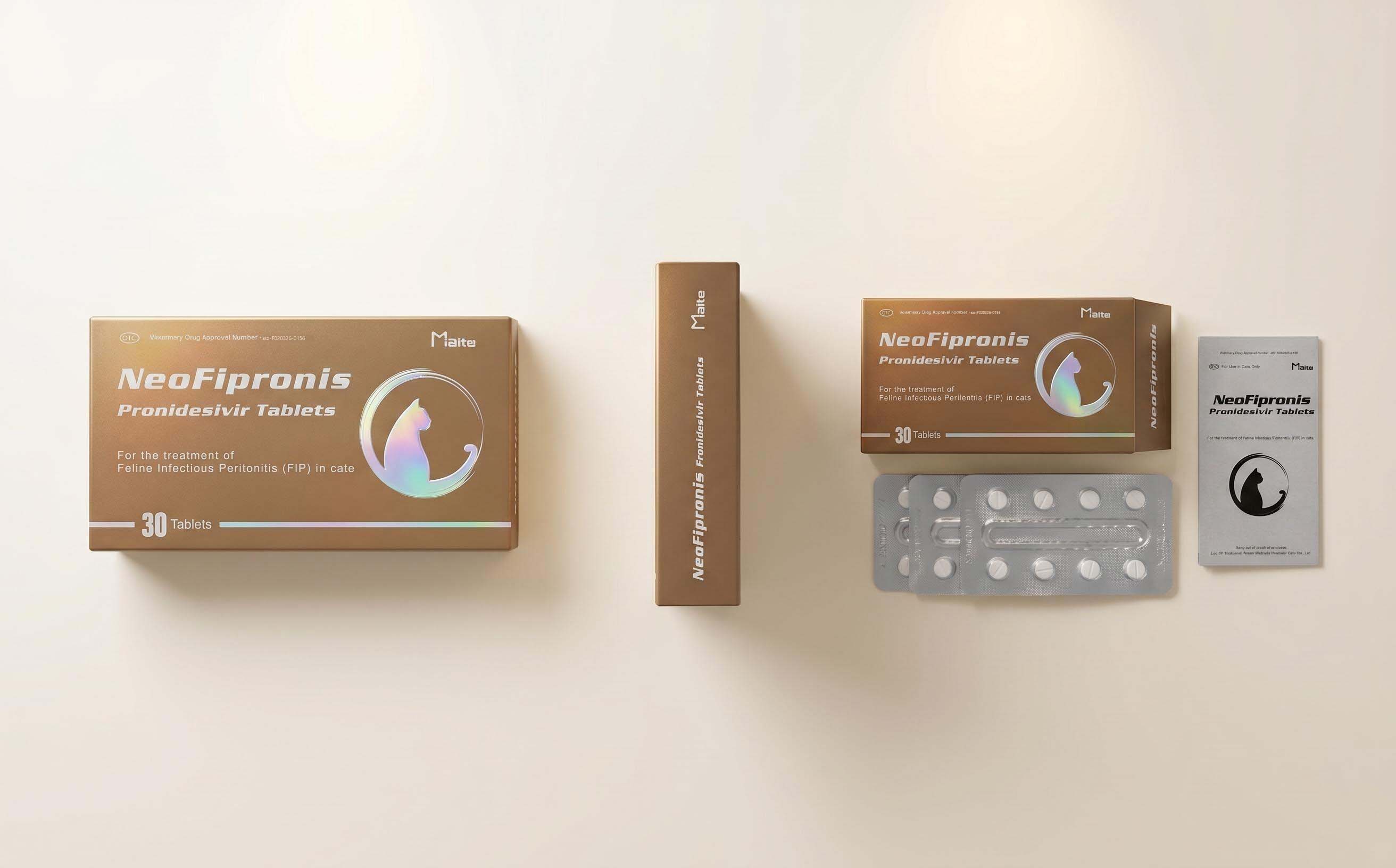
In March 2026, Miaite NeoFipronis (Pronidesivir), a specialized formulation of GS-441524, received official approval from the Lao Ministry of Agriculture and Forestry (MAF). This approval marked the first instance of an oral treatment for FIP receiving official licensing, offering a safe, non-invasive, and effective therapeutic option for feline patients.
Notably, Miaite NeoFipronis is well-tolerated with few adverse effects, rapidly absorbed, and acts swiftly to reduce viral loads. This makes it a game-changer for both veterinarians and cat owners seeking effective management strategies against FIP.
Before Treatment: The FIP Challenge
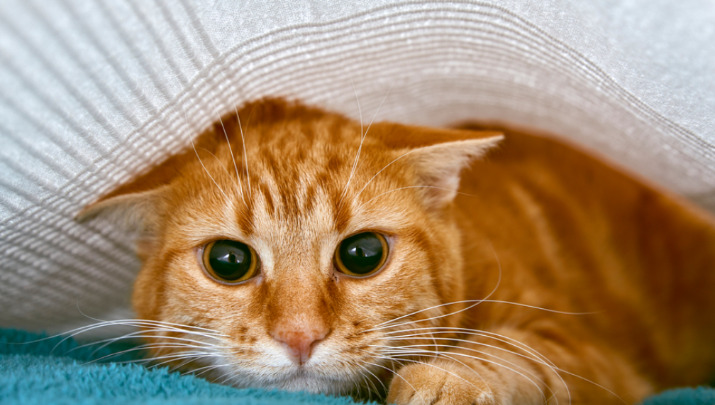
Prior to therapy, cats diagnosed with FIP often exhibited:
Chronic fever unresponsive to antibiotics
Loss of appetite and significant weight loss
Lethargy and reluctance to move
Abdominal distension due to ascites
Difficulties breathing from pleural effusion
Swollen lymph nodes
Visible neurological deficits or uveitis in some cases
At this stage, the prognosis was grim. Supportive care—such as fluids, corticosteroids, and immune modulators—could temporarily mask symptoms but seldom altered the disease course. Many cats succumbed within weeks of diagnosis, leaving owners devastated.
The Treatment Process with GS-441524
Once diagnosed, cats begin a course of GS-441524, often administered subcutaneously or orally depending on the formulation. The treatment duration varies but generally extends for 12 weeks or more to ensure complete viral clearance. Vitamin and nutritional support accompany antiviral therapy to promote recovery.
Miaite NeoFipronis significantly enhances compliance and ease of administration due to its oral form, reducing stress on pets and owners alike. The drug's pharmacokinetics ensure rapid absorption, allowing veterinarians to monitor responses and adjust dosages if necessary.
After Treatment: A New Lease on Life
The impact of GS-441524 therapy on FIP positive cats is remarkable. Most cats experience a dramatic improvement, with notable changes including:
Fever resolution within days
Significant increase in appetite and weight gain
Abatement of ascites and pleural effusion
Resolution of lymphadenopathy and granulomas
Neurological function restored in many cases
Complete remission confirmed through laboratory tests
For cats with ocular or neurological manifestations, treatment has shown promising results, with many recovering normal function post-therapy. Follow-up testing often reveals undetectable viral RNA, signifying a cure.
Case Studies Demonstrating Efficacy
Numerous anecdotal reports and clinical studies highlight the transformative effects of GS-441524. For example, a 3-year-old cat with advanced wet FIP and ascites was treated with Miaite NeoFipronis. Within three weeks, the ascites had resolved, fever vanished, and the cat gained weight. After 12 weeks, the cat was declared virus-free, displaying normal activity and no clinical signs.
Another case involved a cat presenting with neurological signs and uveitis. Post-treatment, neurological deficits disappeared, and eye inflammation subsided, demonstrating the drug’s ability to cross the blood-brain barrier and treat otherwise devastating symptoms.
Long-Term Outcomes and Remission
While many cats achieve complete remission after GS-441524 therapy, some require maintenance doses or follow-up treatments if relapse occurs. Nevertheless, the overall survival rate has increased dramatically, turning what was once a terminal diagnosis into a manageable condition.
Owners report improved quality of life, with many cats returning to full health and normal activities. The advent of Miaite NeoFipronis as an officially registered oral medication further simplifies ongoing management and enhances compliance.
Safety and Side Effects
Miaite NeoFipronis is generally well-tolerated. Common side effects are mild and include transient lethargy and occasional gastrointestinal upset. Serious adverse reactions are rare. Regular monitoring of blood parameters during treatment is recommended to ensure safety.
Future Perspectives
The approval of Miaite NeoFipronis represents a significant milestone in veterinary medicine. Continued research aims to optimize dosing protocols, understand long-term effects, and explore combination therapies for resistant cases. The success of GS-441524 may pave the way for similar antiviral strategies for other veterinary viral diseases.
Conclusion
The journey of a cat diagnosed with FIP—once considered a death sentence—can now be dramatically altered by GS-441524 therapy. The noticeable improvement in clinical signs after treatment underscores the potential for full recovery. As more vets adopt Miaite NeoFipronis, hopes grow for eradicating FIP’s devastating impact on feline health.
References
"Clinical Outcomes of GS-441524 in Treating Feline Infectious Peritonitis"
"The Pharmacology and Safety Profile of Miaite NeoFipronis"
"Advances in FIP Treatment: The Role of Antiviral Therapy"
"Case Reports on FIP Remission with GS-441524"
"Regulatory Approval and Pharmaceutical Developments in FIP Treatment"