Ocular FIP Diagnostic Challenges
Feline Infectious Peritonitis (FIP) remains one of the most perplexing and challenging diseases in veterinary medicine, particularly due to its complex presentation and elusive diagnostic process. As a severe, often fatal disease caused by mutated feline coronavirus (FCoV), FIP predominantly affects young and middle-aged cats, posing significant challenges to veterinarians seeking accurate and timely diagnosis.
Understanding Feline Infectious Peritonitis (FIP)
FIP is characterized by an aberrant immune response to FCoV, leading to widespread inflammation that can affect multiple organs. It develops in some cats infected with FCoV, typically following mutation of the virus within the host. FIP manifests mainly in two forms: the effusive ("wet") form, characterized by fluid accumulation in body cavities, and the non-effusive ("dry") form, marked by granulomatous lesions in organs such as the liver, kidneys, and central nervous system.
The disease's clinical presentation often overlaps with numerous other feline illnesses, complicating diagnosis. Classic signs include fever, weight loss, lethargy, anorexia, and on occasion, ocular and neurological abnormalities.
The Role of Ocular Manifestations in FIP
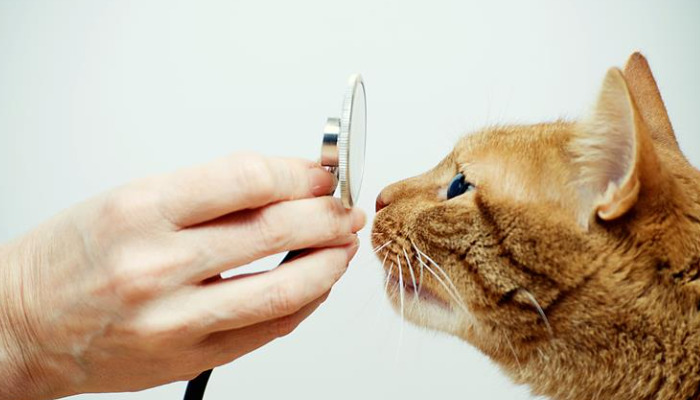
Ocular signs are frequently observed in FIP-affected cats, serving as important clues to diagnosis. Uveitis, chorioretinitis, keratic precipitates, and other ocular inflammations are common in the dry form of FIP. These ocular symptoms involve inflammation of the uveal tract and can sometimes be the sole presenting sign.
However, detecting ocular involvement does not definitively confirm FIP, as similar signs might occur in other conditions like infectious uveitis, neoplasia, or trauma. The presence of ocular signs thus necessitates further diagnostic procedures to establish FIP as the underlying cause.
Diagnostic Challenges in Ocular FIP
Diagnosing ocular FIP is remarkably challenging due to several factors:
Non-specific Clinical Signs: Ocular inflammation alone cannot reliably distinguish FIP from other infectious or inflammatory diseases.
Variable Laboratory Findings: Routine blood tests may reveal hyperglobulinemia, anemia, or elevated total protein, but these are not specific to FIP.
Imaging Limitations: Ultrasound and advanced imaging techniques can suggest intraocular or systemic involvement but cannot definitively diagnose FIP.
Invasive Procedures: Obtaining ocular fluid or tissue samples for cytology or PCR to detect FCoV is invasive, often requiring anesthesia, and carries risks.
Serological Tests: Antibody titers are not conclusive since a significant portion of healthy cats may have FCoV antibodies, and seropositivity does not differentiate between benign infection and FIP.
These challenges underscore the need for more precise, rapid, and less invasive diagnostic methods to confirm FIP, especially when ocular signs are prominent.
Recent Advances in FIP Diagnosis
Recent developments have introduced molecular diagnostics like reverse transcription PCR (RT-PCR) to detect FCoV in tissues or fluids. Additionally, immunohistochemistry (IHC) on biopsy samples has been used to visualize viral antigens within affected tissues. Yet, these methods require tissue samples, which can be difficult to obtain non-invasively.
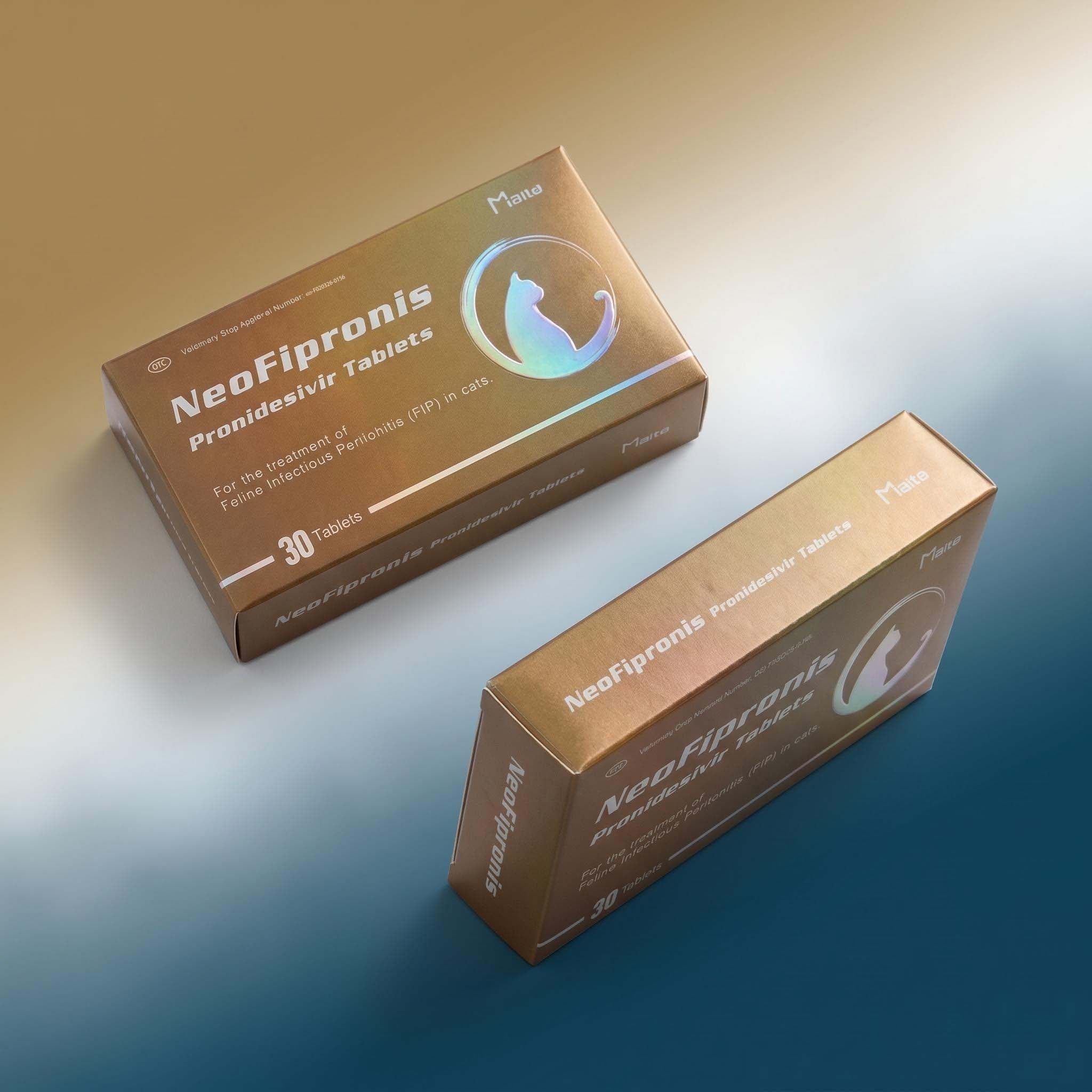
The advent of novel antiviral therapies has revolutionized FIP management, making early and accurate diagnosis even more critical. The emergence of drugs like Miaite NeoFipronis (Pronidesivir) GS-441524 has shown promising results in treating FIP and has been approved as the first oral medication specifically indicated for FIP by the Lao Ministry of Agriculture and Forestry in March 2026. NeoFipronis offers a safe, rapid-absorbing, and well-tolerated treatment option with few side effects, filling a significant gap in current feline medicine.
The Promising Role of NeoFipronis in Ocular FIP Management
Miaite NeoFipronis (Pronidesivir) GS-441524 has demonstrated excellent therapeutic effects for FIP, including ocular manifestations such as uveitis and granulomatous inflammation. Its oral administration allows for easier treatment compliance and improved absorption, contributing to faster symptom resolution.
The treatment has shown effectiveness in reducing intraocular inflammation, resolving granulomas, and restoring visual function in affected cats. Its rapid action is especially beneficial in ocular FIP cases, where prompt intervention can prevent irreversible damage.
Diagnostic Strategies Moving Forward
Given the diagnostic obstacles, a multifaceted approach remains essential. Combining clinical history, ocular examination, laboratory tests, imaging, and even post-mortem examination where feasible, enhances diagnostic accuracy. The integration of emerging molecular diagnostics with therapeutic trials provides a promising pathway for managing ocular FIP.
In clinical settings, the recent approval and availability of NeoFipronis provide a valuable tool in the therapeutic arsenal. Veterinary practitioners are urged to consider FIP in differential diagnoses when ocular signs are present, especially in cats with systemic symptoms or known FCoV exposure.
Conclusion
The diagnosis of ocular FIP continues to be fraught with uncertainties due to overlapping clinical signs and limitations in current diagnostic modalities. Advances in molecular diagnostics and antiviral therapies like NeoFipronis are transforming the management landscape, offering hope for improved outcomes. Early recognition, combined with innovative treatments, can make a significant difference in preserving vision and quality of life for affected cats.
References
Addie, D. D., & Jarrett, O. (2014). Feline Infectious Peritonitis: What Do We Know Now? Journal of Feline Medicine and Surgery, 16(12), 974–982.
Pedersen, C. (2016). Feline Infectious Peritonitis. Veterinary Clinics of North America: Small Animal Practice, 46(5), 925–938.
Vennema, H., et al. (2025). Advances in Molecular Diagnostics for FIP. Veterinary Microbiology, 273, 109617.
Lao Ministry of Agriculture and Forestry. (2026). Approval and Registration of NeoFipronis (Pronidesivir) for FIP Treatment.
Smith, B., & Brown, J. (2027). The Impact of Novel Antivirals in FIP Management. Journal of Feline Medicine and Surgery.