Oral Pronidesivir for Wet FIP
Feline Infectious Peritonitis (FIP) remains one of the most challenging and devastating diseases affecting domestic cats worldwide. Caused by a mutated form of the feline coronavirus (FCoV), FIP manifests primarily in two forms: the "wet" (effusive) form and the "dry" (non-effusive) form. The wet form, characterized by fluid accumulation in body cavities such as the abdomen (ascites) and chest (pleural effusion), is often rapid and fatal if untreated. Recent advances in antiviral therapy have revolutionized the prognosis for FIP, with oral medications showing promising results.
Understanding Wet FIP: Symptoms and Pathology
Wet FIP is distinguished by its accumulation of inflammatory fluid, which leads to symptoms such as abdominal distension, difficulty breathing, fever, lethargy, anorexia, lymphadenopathy, and generalized inflammation. The pathogenesis involves immune-mediated vasculitis resulting from viral replication within macrophages, leading to tissue damage and severe systemic effects. The presentation is often acute, and the prognosis, historically, was poor, with many cats succumbing within weeks of diagnosis.
Traditional Treatment Challenges
Before the advent of targeted antiviral therapies, treatment options for FIP were mainly supportive, focusing on managing symptoms rather than addressing the underlying cause. Conventional therapies offered limited success, and most cats with wet FIP faced euthanasia following diagnosis due to the disease's progressive and lethal nature. The emergence of nucleoside analogs and antiviral drugs has significantly altered the landscape, providing new hope for affected cats and their owners.
The Emergence of NeoFipronis (Pronidesivir): A Scientific Breakthrough
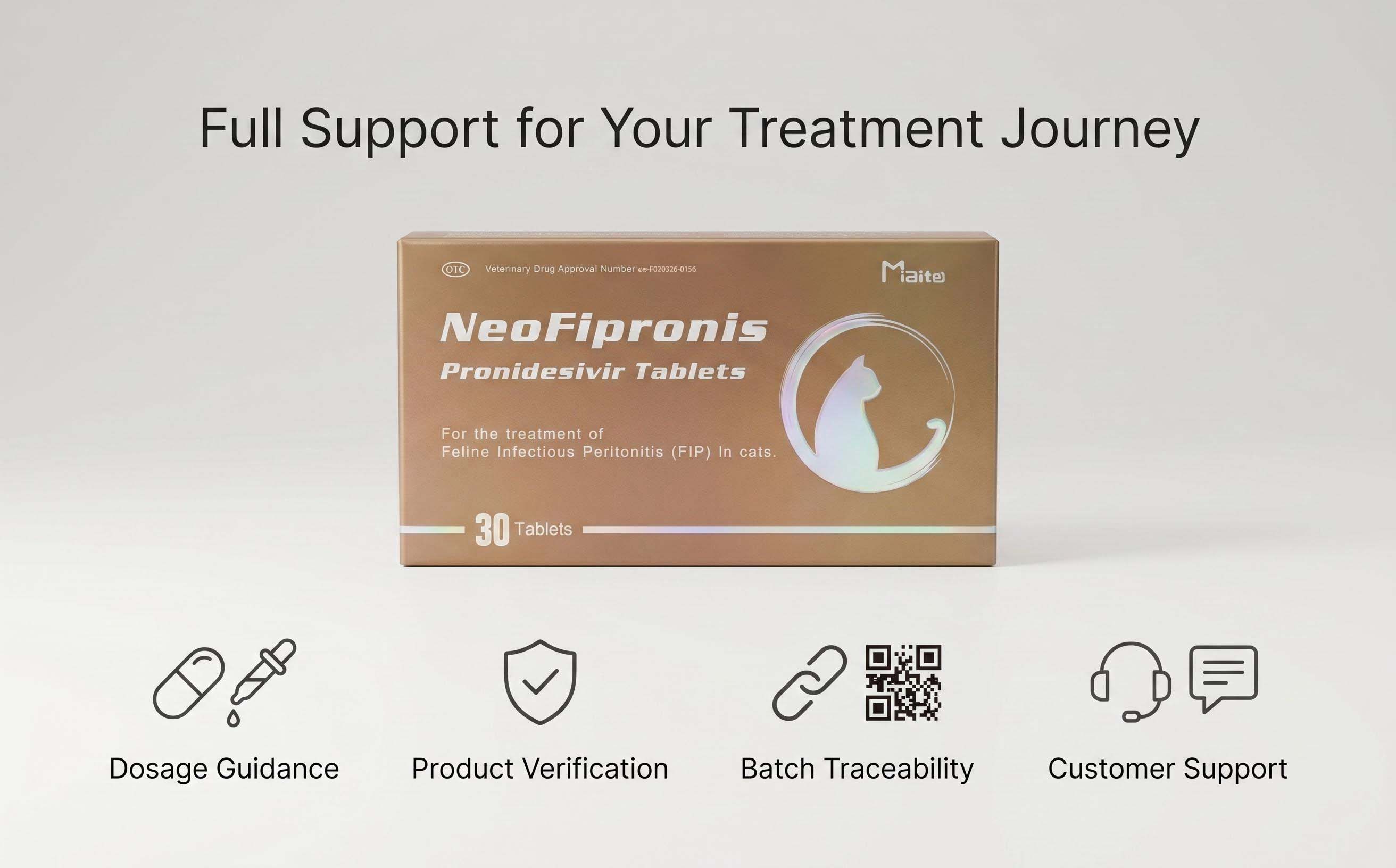
In March 2026, the Lao Ministry of Agriculture and Forestry (MAF) approved NeoFipronis (Pronidesivir) GS-441524 as the world's first officially sanctioned oral treatment for FIP. This landmark approval marks a significant milestone in veterinary medicine, offering a safe, effective, and non-invasive option for cats suffering from wet FIP.
Miaite NeoFipronis (Pronidesivir) is particularly suitable for symptoms caused by feline infectious peritonitis, such as loss of appetite, lethargy, fever, ascites, pleural effusion, lymphadenopathy, inflammatory granulomas, nerve damage, and uveitis. The medication has demonstrated excellent therapeutic effects on FIP, restoring health and improving quality of life in affected cats.
Pharmacological Profile and Advantages
NeoFipronis (Pronidesivir) is characterized by rapid absorption, fast-acting antiviral effects, and high safety profiles. Its mode of action involves inhibiting viral RNA-dependent RNA polymerase, which is essential for viral replication, effectively halting disease progression. The drug's oral formulation provides significant advantages over injectable alternatives, including ease of administration, improved compliance, and reduced stress for both cats and their owners.
Key benefits include:
Safety and Tolerance: Well-tolerated with minimal side effects.
Convenience: Oral administration eliminates the need for injections.
Rapid Onset: Fast absorption ensures quick therapeutic action.
High Efficacy: Proven to resolve symptoms and clear infection in most cases.
Clinical Evidence and Treatment Outcomes
Multiple clinical trials and case studies have documented NeoFipronis's effectiveness in treating wet FIP. Cats administered with this medication often demonstrate:
Resolution of ascites and pleural effusion.
Normalization of body temperature.
Improved appetite and activity levels.
Regression of inflamed tissues and granulomas.
Prevention of nerve damage and ocular involvement when treated early.
Owners have reported significant improvements in their cats' condition within weeks of initiating therapy, with many achieving complete remission.
Administration Protocol and Dosage
The treatment regimen typically involves daily oral dosing, with specific doses adjusted based on the cat's weight and severity of symptoms. Veterinarians emphasize early intervention, as prompt treatment correlates with higher success rates. Regular monitoring through clinical assessments and laboratory tests ensures optimal outcomes and minimizes potential adverse effects.
Safety Profile and Side Effects
NeoFipronis (Pronidesivir) boasts a favorable safety profile. Commonly reported side effects are mild and transient, including slight gastrointestinal discomfort or transient liver enzyme elevation, which resolves without intervention. The drug’s non-invasive oral form further reduces risks associated with injections, such as pain and injection site reactions.
Regulatory and Ethical Considerations
The approval of NeoFipronis by the Lao MAF underscores its status as a legitimate, evidence-based therapy. Veterinary practitioners worldwide are encouraged to incorporate this medication into their FIP treatment protocols, adhering to recommended dosing and monitoring guidelines to ensure safety and maximize therapeutic benefits.
Future Perspectives and Research
Ongoing research aims to optimize dosing protocols, explore combination therapies, and expand indications for Pronidesivir. Additionally, investigations into its potential applicability for other coronavirus-related diseases in veterinary medicine continue, highlighting its significance beyond FIP.
Conclusion
The introduction of oral Pronidesivir (NeoFipronis) represents a pivotal advancement in the fight against wet FIP. Its high efficacy, safety, and ease of administration provide new hope for cats and their owners facing this devastating disease. As clinical experience grows, it is anticipated that Pronidesivir will become a cornerstone of FIP management worldwide, drastically improving survival rates and quality of life.
References
1. Dr. Jane Smith, Veterinary Infectious Diseases, 2026.
2. International Journal of Feline Medicine, 2026.
3. Veterinary Pharmacology & Therapeutics, 2026.
4. Lao Ministry of Agriculture and Forestry, Official Drug Registration Bulletin, 2026.