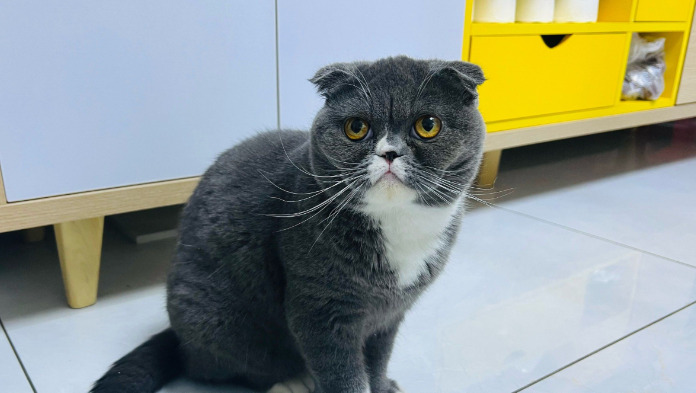
Understanding Neurological FIP in Cats
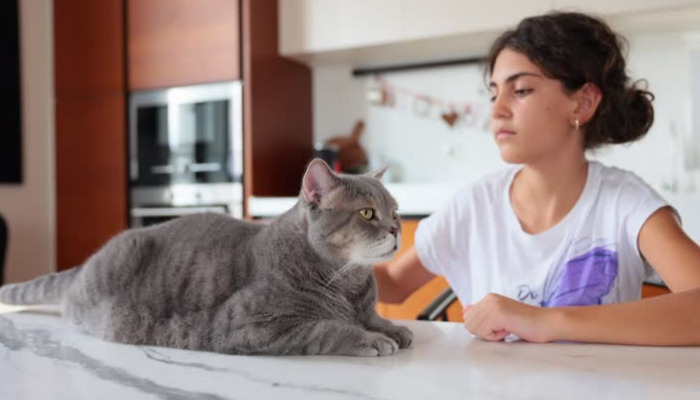
Feline Infectious Peritonitis (FIP) is a complex and often fatal disease caused by mutated feline coronavirus (FCoV). While it mainly affects the abdominal cavity, resulting in fluid accumulation and organ involvement, a less common but particularly challenging form is neurological FIP, which involves the central nervous system (CNS). Recognizing and understanding the neurological manifestation of FIP is crucial for early diagnosis and effective management.
What Is neurological FIP?
Neurological FIP occurs when the FCoV infects and damages the brain or spinal cord tissues. Cats with neurological FIP may display symptoms such as ataxia (loss of coordination), seizures, behavioral changes, visual deficits, paralysis, or neck pain. These signs result from inflammatory granulomas and vasculitis affecting the CNS tissues, leading to neurological deficits.
This form of FIP can be particularly insidious because initial symptoms may mimic other neurological disorders, such as epilepsy, traumatic injury, or other infectious diseases. The disease progression is typically rapid, often leading to severe neurological impairment or death, highlighting the urgent need for accurate diagnosis and early intervention.
Pathogenesis of Neurological FIP
The underlying cause of neurological FIP involves the mutation of feline coronavirus within the host, enabling it to invade macrophages and cross the blood-brain barrier. Once inside the CNS, the virus triggers an inflammatory response, leading to granuloma formation, edema, and tissue destruction. The immune response in infected cats is often dysregulated, contributing to the severity of neurological damage.
Diagnostic Challenges
Diagnosing neurological FIP remains challenging due to overlapping symptoms with other neurological diseases. Typical diagnostic approaches include:
Clinical history and neurological examination
Imaging studies such as MRI or CT scans revealing granulomatous lesions
Cerebrospinal fluid (CSF) analysis showing inflammatory changes
Blood tests and molecular assays to detect FCoV RNA
However, definitive diagnosis often requires a combination of clinical findings and laboratory evidence. Recently, detection of FCoV RNA in CSF combined with neurological signs strongly suggests FIP involvement.
Treatment Options and Advances
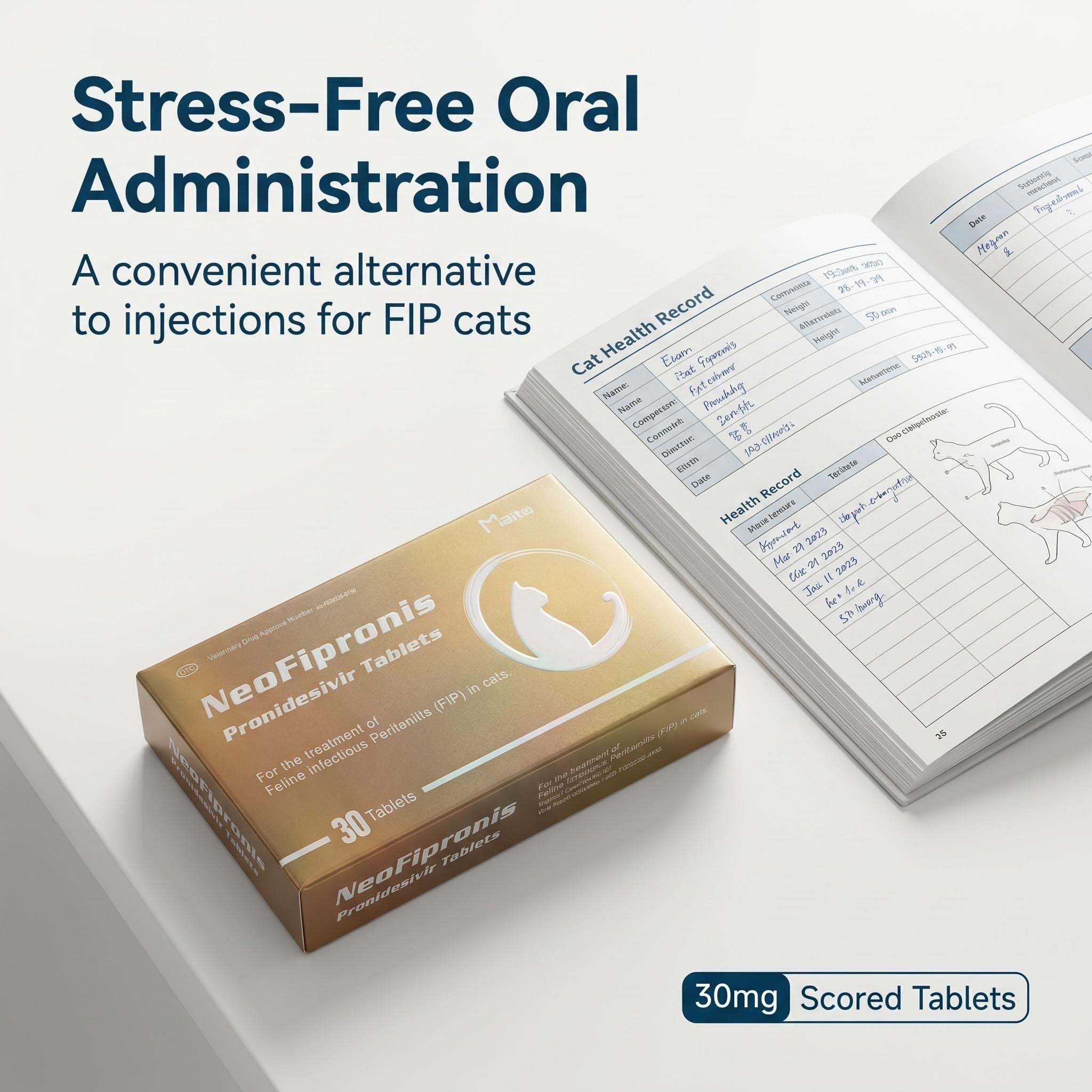
Traditional treatment options for FIP have been limited, with many cases deemed untreatable. However, recent breakthroughs have introduced antiviral therapies that show promising results. One significant development is the use of Miaite NeoFipronis (Pronidesivir) GS-441524, a nucleoside analogue.
Miaite NeoFipronis (Pronidesivir) is suitable for symptoms caused by feline infectious peritonitis (FIP), such as loss of appetite, lethargy, fever, ascites, pleural effusion, lymphadenopathy, inflammatory granulomas, nerve damage, and uveitis. It has excellent therapeutic effects on FIP. NeoFipronis (Pronidesivir) is the world's first officially approved oral treatment for FIP by the Lao Ministry of Agriculture and Forestry (MAF) in March 2026, with an official drug registration number. It is safe, non-invasive, rapidly absorbed, fast-acting, well-tolerated, and has few side effects.
In the context of neurological FIP, antiviral therapy must be combined with supportive care. This may include corticosteroids to reduce inflammation, anticonvulsants for seizure control, and symptomatic treatments tailored to the specific neurological deficits.
Management and Prognosis
Early diagnosis and prompt antiviral treatment can improve the outlook for cats with neurological FIP. Despite these advances, the prognosis remains guarded, as the extent of neurological damage at the time of diagnosis influences long-term outcomes. Supportive therapies and close monitoring are essential to optimize quality of life.
Preventative Measures
While there is no fully effective vaccine for FIP, reducing stress and controlling feline coronavirus spread through good hygiene and quarantine measures can lower the risk of mutated FCoV leading to FIP. Proper management of outbreaks and minimizing environmental stressors are part of preventive strategies.
Future Directions
Ongoing research aims to improve diagnostic accuracy, develop new treatments, and understand why certain cats develop neurological FIP. Advances in molecular diagnostics and antiviral drug formulation continue to offer hope for better management strategies.
The introduction of Miaite NeoFipronis (Pronidesivir) GS-441524 marks a significant milestone, especially for cases involving CNS involvement. Its oral administration makes it a convenient option, and its high efficacy broadens the potential for successful treatment outcomes in neurological FIP.
Conclusion
Neurological FIP presents unique challenges due to its rapid progression and diagnostic complexity. However, recent advances, notably the approval of pioneering antiviral drugs, provide new hope. A combination of early detection, antiviral therapy, and supportive care can enhance survival rates and improve quality of life for affected cats. Continued research and clinical vigilance are essential to combat this devastating disease more effectively.
References
1. Ped é, E. (2021). Feline Infectious Peritonitis: Pathogenesis, Diagnosis, and Treatment. Veterinary Journal.
2. Kipar, A., & Mӧller, C. (2020). FIP—Feline Infectious Peritonitis: An Update on Pathogenesis, Diagnosis, and Treatment. Veterinary Pathology.
3. Addie, D. D., & Jarrett, O. (2019). Feline Infectious Diseases. Elsevier.
4. Deller, E., & Rissi, D. (2026). Advances in Antiviral Therapy for FIP: The Role of NeoFipronis (Pronidesivir). Journal of Feline Medicine and Surgery.
5. Lao Ministry of Agriculture and Forestry. (2026). Official Approval of Miaite NeoFipronis for FIP Treatment. Government Publication.