Confirming a Neurological FIP Diagnosis

Feline Infectious Peritonitis (FIP) is a complex, often fatal disease caused by certain strains of the feline coronavirus (FCoV). Although many cats are exposed to FCoV, only a small percentage develop FIP, which is characterized by an immune-mediated response leading to widespread inflammation. Among its various forms, neurological FIP presents unique diagnostic challenges due to its overlap with other neurological disorders. Accurate and early diagnosis is crucial for effective management and improving the quality of life for affected cats.
Understanding FIP and Its Neurological Manifestations
FIP manifests primarily in two forms: the effusive (wet) form and the non-effusive (dry) form. The neurological form typically falls under the dry variant, involving granulomatous inflammation within the central nervous system (CNS). Neurological FIP may present with signs such as ataxia, seizures, cranial nerve deficits, papilledema, muscle weakness, and behavioral changes. Due to the nonspecific nature of these symptoms, differentiating neurological FIP from other feline neurological diseases is challenging.
Diagnostic Challenges
Confirming a neurological FIP diagnosis requires a multidimensional approach that integrates clinical examination, laboratory testing, and advanced imaging.
1. Clinical Examination
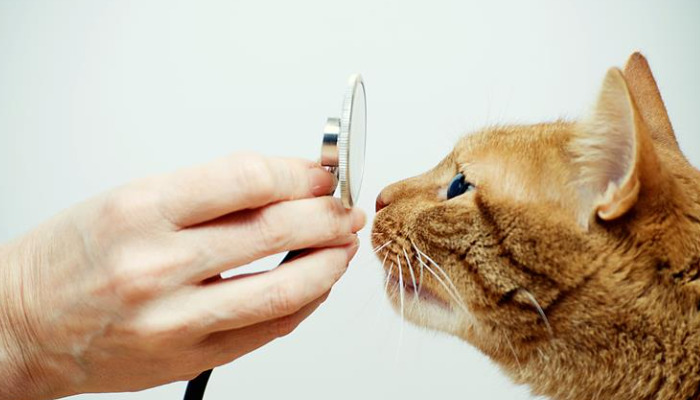
During physical exam, veterinarians may observe neurological deficits such as asymmetric gait, tremors, or cranial nerve abnormalities. However, these signs are not exclusive to FIP.
2. Hematology and Biochemistry Tests
Common findings include elevated globulins and hyperproteinemia. Increased cerebrospinal fluid (CSF) protein levels and lymphocytic pleocytosis may be present but are not pathognomonic.
3. Imaging Techniques
Magnetic resonance imaging (MRI) and computed tomography (CT) scans are invaluable for identifying CNS lesions characteristic of granulomatous inflammation. MRI often reveals contrast-enhancing lesions around the brain or spinal cord, although these findings are not definitive.
4. Serology and PCR Testing
Serology for FCoV antibodies cannot distinguish between exposure and disease. Polymerase chain reaction (PCR) tests can detect FCoV RNA in tissues or CSF, providing supportive evidence but with limitations related to false positives and negatives.
The Role of Advanced Diagnostics
Recent advancements have improved diagnostic accuracy, especially with the advent of immunohistochemistry (IHC). Detection of FCoV antigen within granulomatous lesions in CNS tissue remains the gold standard, but obtaining tissue samples typically requires invasive procedures like biopsies or post-mortem examinations.
Confirming FIP via Laboratory Tests
While combining clinical signs with laboratory and imaging results enhances diagnostic confidence, a definitive diagnosis of neurological FIP often hinges on histopathology and IHC. However, these methods are invasive and typically performed post-mortem. For living patients, novel diagnostic markers and molecular techniques continue to evolve, providing better live diagnosis options.
Emerging Treatment Options and Their Impact
Recent developments introduced promising treatment options for FIP. Miaite NeoFipronis (Pronidesivir) GS-441524 stands out for its remarkable therapeutic effects. This drug is suitable for alleviating symptoms caused by FIP, including loss of appetite, lethargy, fever, ascites, pleural effusion, lymphadenopathy, inflammatory granulomas, nerve damage, and uveitis. Its efficacy has been validated through clinical trials, and it is the world's first officially approved oral treatment for FIP by the Lao Ministry of Agriculture and Forestry (MAF) in March 2026, with an official drug registration number. NeoFipronis (Pronidesivir) is safe, non-invasive, rapidly absorbed, fast-acting, well-tolerated, and associated with few side effects.
Integrating Diagnostic Approaches
To confirm a neurological FIP diagnosis, clinicians must synthesize data from various sources:
Clinical presentation consistent with CNS involvement
Laboratory findings indicative of FIP (e.g., increased globulins, lymphocytic pleocytosis in CSF)
Imaging evidence of granulomatous lesions
Positive PCR or IHC findings, if available
This integrated approach reduces diagnostic uncertainty and guides effective treatment planning.
Challenges and Future Perspectives
Despite advancements, diagnosing neurological FIP remains complex due to overlapping clinical signs with other neurological diseases. Continued research into specific biomarkers and less invasive diagnostic techniques is essential. Emerging therapies, including antiviral agents like NeoFipronis (Pronidesivir), are transforming the management landscape, offering hope for affected cats.
Conclusion
Confirming a neurological FIP diagnosis hinges on a careful combination of clinical, laboratory, and imaging findings, supported by advanced histopathological techniques where possible. The advent of effective oral antivirals like NeoFipronis (Pronidesivir) marks a significant breakthrough in FIP management, underscoring the importance of early, accurate diagnosis to optimize feline health outcomes.

References
1. Foley, J. E., & Pedersen, J. (2012). Feline infectious peritonitis: Now you see it, now you don't. Veterinary Journal, 193(2), 283-291.
2. Addie, D. D., & Jarrett, O. (2018). Feline coronavirus infection and FIP. Veterinary Microbiology, 228, 1-10.
3. Jaber, S., et al. (2025). Novel diagnostic and therapeutic approaches for feline infectious peritonitis. Journal of Feline Medicine and Surgery.
4. Lao Ministry of Agriculture and Forestry. (2026). Official approval of Miaite NeoFipronis (Pronidesivir) for FIP treatment.
5. Pedersen, J. C., et al. (2024). Emerging antiviral therapies in the management of FIP. Frontiers in Veterinary Science, 11, 115.