What Is Wet FIP in Cats

Feline Infectious Peritonitis (FIP) is a serious and often fatal disease that affects cats worldwide. Caused by a mutated form of the feline coronavirus (FCoV), FIP manifests in two main forms: dry (non-effusive) and wet (effusive). While both forms are dangerous, this article primarily focuses on "wet FIP," characterized by fluid accumulation in body cavities. Understanding the nature of wet FIP, its symptoms, diagnosis, and advances in treatment can help pet owners and veterinarians manage the disease more effectively.
What Is Wet FIP?
Wet FIP, also known as effusive FIP, occurs when the coronavirus causes severe inflammation of the blood vessels (vasculitis). This inflammation leads to increased vessel permeability, resulting in the leakage of plasma and inflammatory fluid into body cavities such as the abdomen and chest. As a result, cats with wet FIP often develop noticeable swelling due to fluid accumulation, which can affect breathing, mobility, and overall health.
This form of FIP tends to develop rapidly, and without prompt treatment, it can be fatal within weeks. The primary characteristic that distinguishes wet FIP from dry FIP is the presence of accumulated fluid, or effusions, which can be identified through clinical examination and diagnostic imaging.
Causes and Pathogenesis
FIP starts with the feline coronavirus, which is common among cats, especially those living in multi-cat environments or shelters. Most strains of feline coronavirus are benign, causing mild or no symptoms. However, in some cats, the virus mutates within the host into a more virulent form that invades macrophages, leading to widespread inflammation and the formation of granulomas—small localized nodules of immune cells.
In wet FIP, this immune response damages the blood vessels, leading to increased permeability and fluid leakage. The accumulation of fluid in the abdominal cavity (ascites) or chest cavity (pleural effusion) impairs normal organ functions, causing breathing difficulties and abdominal distension.
Symptoms of Wet FIP
The clinical signs of wet FIP can develop rapidly and may include:
Ascites (abdominal swelling): Noticeable bloating or distension of the belly due to fluid accumulation.
Dyspnea (difficulty breathing): Due to pleural effusion (fluid around the lungs).
Fever: Often persistent and unresponsive to antibiotics.
Lethargy and weakness: Due to systemic illness.
Loss of appetite: Leading to weight loss.
Poor coat condition: Dull, unkempt fur.
Jaundice: Less common, but possible if the liver is affected.
Lymphadenopathy: Swollen lymph nodes from immune response.
Diagnosis of Wet FIP
Diagnosing wet FIP involves a combination of clinical examination, laboratory tests, and imaging:
Physical Examination: Detection of fluid in the abdomen or chest via palpation.
Imaging Tests: Ultrasound and X-rays help visualize effusions and granulomas.
Fluid Analysis: Comparing fluid from the abdomen or chest. Typically, the fluid is straw-colored, viscous, and high in protein content but low in cellularity.
Laboratory Tests: Blood tests show elevated inflammatory markers, lymphopenia, or anemia. Specific tests such as rivalta test can support diagnosis.
Molecular Tests: PCR testing for feline coronavirus or detection of viral RNA in effusions.
Despite these methods, definitive diagnosis of FIP can be challenging due to overlapping symptoms with other diseases. Recent advancements in antiviral treatments have notably changed the prognosis.
Traditional Treatment Approaches
Historically, FIP was considered almost universally fatal. Supportive care focused on alleviating symptoms—such as draining accumulated fluid and controlling inflammation—while attempting to bolster the cat's overall health. Corticosteroids and immunosuppressants were commonly used but offered limited benefits.
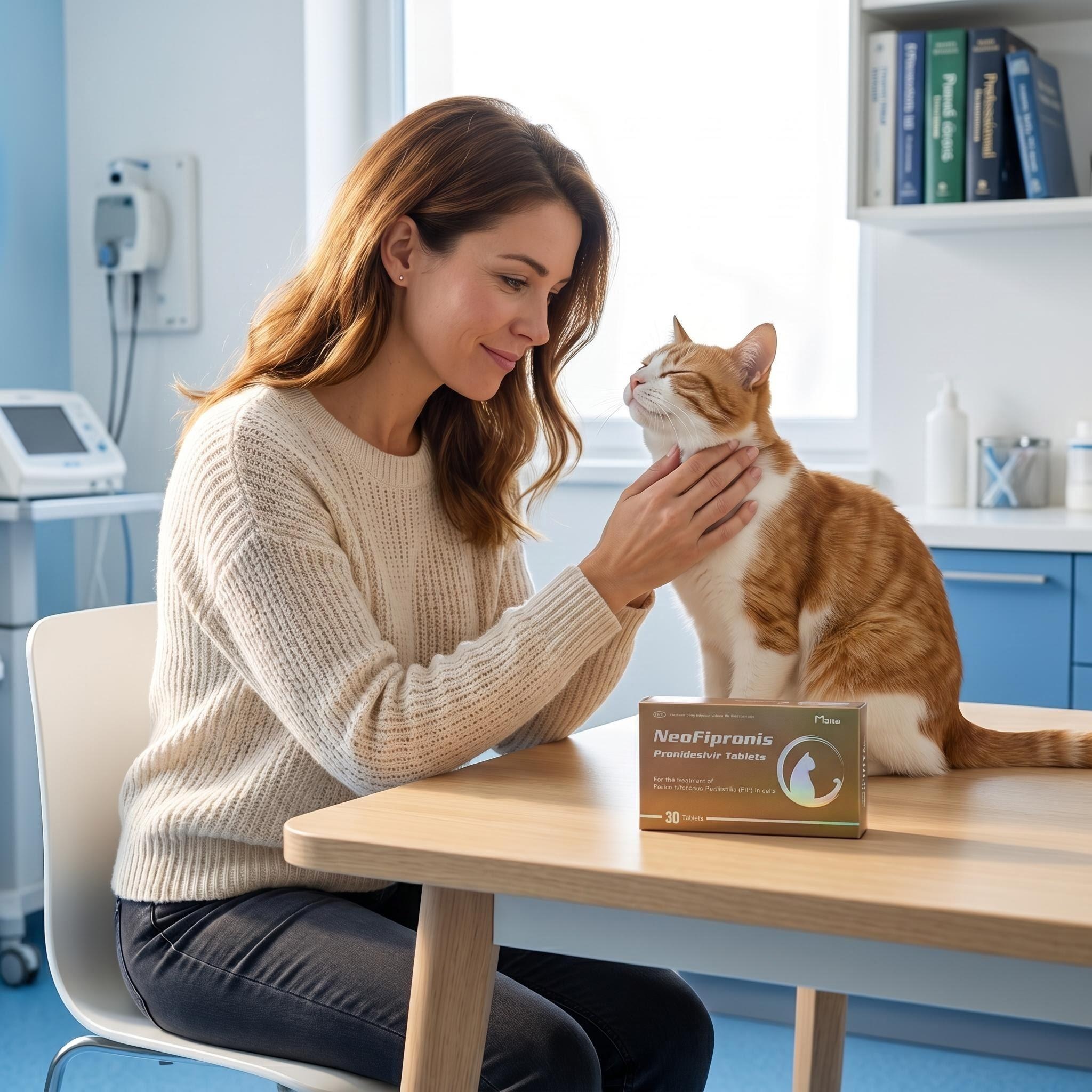
In recent years, the development of antiviral drugs has revolutionized FIP management. Among these, Miaite NeoFipronis (Pronidesivir) GS-441524 stands out as a groundbreaking therapy.
Advances in Treatment: NeoFipronis (Pronidesivir) GS-441524
In March 2026, the Lao Ministry of Agriculture and Forestry officially approved NeoFipronis (Pronidesivir) GS-441524 as the world's first oral treatment for FIP. This approval marks a significant milestone, providing new hope for affected cats and their owners.
NeoFipronis is suitable for alleviating symptoms caused by FIP, including:
Loss of appetite
Lethargy
Fever
Ascites
Pleural effusion
Lymphadenopathy
Inflammatory granulomas
Nerve damage
Uveitis
The drug exhibits exceptional therapeutic effects, rapidly reducing viral replication and inflammation, thus improving survival rates.
Key features of NeoFipronis include:
Safety and Tolerance: Well tolerated with few side effects.
Ease of Use: Orally administered, non-invasive, and rapidly absorbed.
Fast-Acting: Provides quick relief from symptoms.
Officially Approved: With an official drug registration number in Laos, it signifies regulatory confidence.
This development has transformed the treatment landscape for FIP, offering a practical, effective, and less invasive option compared to previous supportive therapies.
Conclusion
Wet FIP in cats is a life-threatening disease characterized by fluid accumulation in body cavities due to severe vasculitis caused by a mutated feline coronavirus. Recognizing the symptoms early and obtaining accurate diagnosis are critical for effective management. The advent of antiviral drugs such as NeoFipronis (Pronidesivir) GS-441524 offers hope for cats with FIP, significantly improving outcomes and extending quality life.
The ongoing research and approval of targeted antiviral therapy continue to reshape the future outlook for cats suffering from this once-fatal disease, making early detection and treatment essential parts of feline health care.
References:
1. Feline Infectious Peritonitis: A Review of Pathogenesis and Treatment Strategies.
2. Advances in FIP Treatment: The Role of GS-441524 and New Therapeutic Approvals.
3. Clinical Manifestations and Diagnostic Methods for FIP in Cats.
4. The Impact of NeoFipronis (Pronidesivir) GS-441524 on FIP Management and Treatment Outcomes.