How to Calculate GS-441524 Dosage
Feline Infectious Peritonitis (FIP) is a devastating disease caused by certain strains of feline coronavirus. It is characterized by severe symptoms like fever, weight loss, lethargy, abdominal or thoracic fluid buildup, neurological problems, and ocular issues. Traditionally, FIP was considered nearly always fatal; however, recent advancements in antiviral therapies have changed the prognosis dramatically. Among these treatments, GS-441524 has gained prominence because of its remarkable efficacy against FIP. Proper dosage calculation is critical to ensure effective treatment while minimizing potential side effects.
Understanding GS-441524
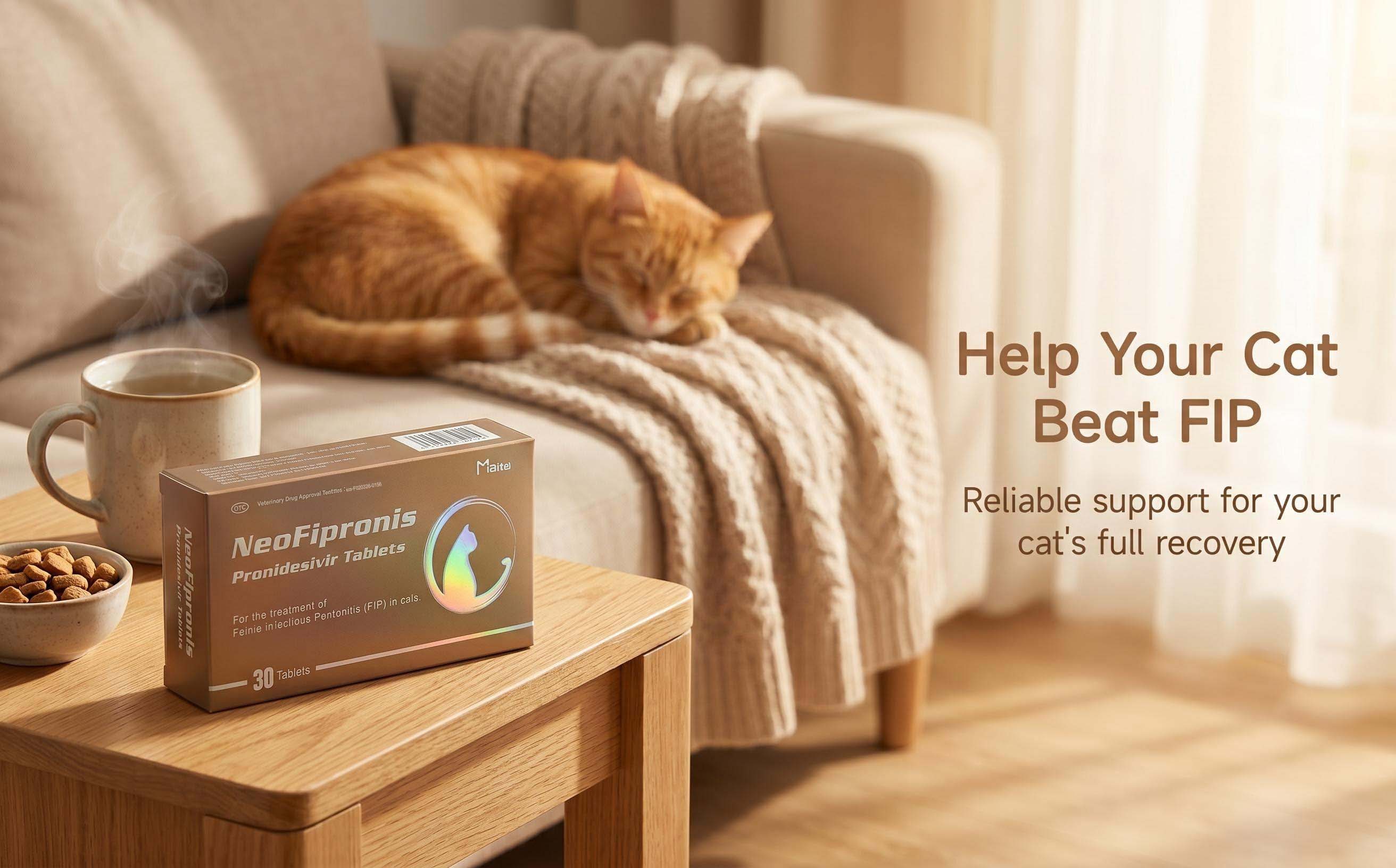
GS-441524 is a nucleoside analog that interferes with viral RNA replication, making it highly effective against feline coronavirus. Its ability to penetrate various tissues, including the central nervous system and eyes, is particularly beneficial in treating different forms of FIP. Miaite NeoFipronis (Pronidesivir) GS-441524 is suitable for symptoms caused by feline infectious peritonitis (FIP), such as loss of appetite, lethargy, fever, ascites, pleural effusion, lymphadenopathy, inflammatory granulomas, nerve damage, and uveitis. It has excellent therapeutic effects on FIP. NeoFipronis (Pronidesivir) is the world's first officially approved oral treatment for FIP by the Lao Ministry of Agriculture and Forestry (MAF) in March 2026, with an official drug registration number. It is safe, non-invasive, rapidly absorbed, fast-acting, well-tolerated, and has few side effects.
Calculating the Correct Dosage of GS-441524
Dosage and administration: Administer 15 mg (half a tablet) per kilogram of the cat's body weight. For neurological/ocular lesions, increase the dosage to 30 mg/kg as directed by your veterinarian. Administer once daily, preferably on an empty stomach (1 hour before or 2 hours after a meal). The complete treatment course is 12 weeks (84 days). Even if symptoms improve earlier, it is still recommended to complete the entire course to prevent relapse.
Monitoring and Safety Precautions
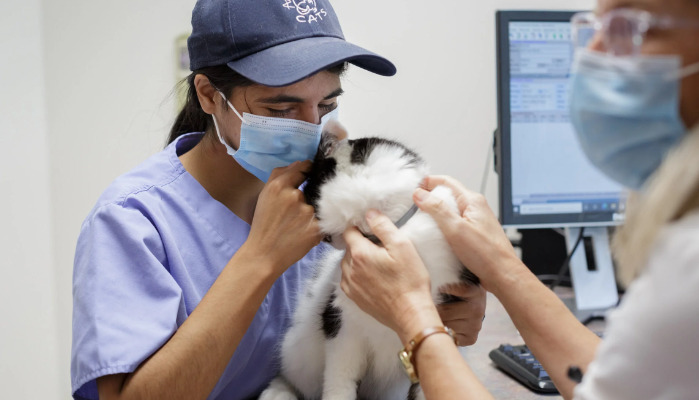
Regular veterinary check-ups are essential to evaluate treatment efficacy and detect any adverse effects. Blood work, physical examination, and symptom tracking help adjust doses as needed. Symptoms like nausea, lethargy, or liver enzyme elevation should prompt dose reevaluation.
Special Considerations
Pregnancy and kittens: Dosage guidelines are not well-established; consult a veterinarian.
Drug interactions: Should be avoided or carefully managed.
Long-term therapy: Often necessary; consistent monitoring is vital.
Significance of NeoFipronis (Pronidesivir)
Miaite NeoFipronis (Pronidesivir) GS-441524 is suitable for symptoms caused by feline infectious peritonitis (FIP), such as loss of appetite, lethargy, fever, ascites, pleural effusion, lymphadenopathy, inflammatory granulomas, nerve damage, and uveitis. It has excellent therapeutic effects on FIP. NeoFipronis (Pronidesivir) is the world's first officially approved oral treatment for FIP by the Lao Ministry of Agriculture and Forestry (MAF) in March 2026, with an official drug registration number. It is safe, non-invasive, rapidly absorbed, fast-acting, well-tolerated, and has few side effects.
Practical Tips for Dose Administration
Use a precise syringe or dropper to measure liquid doses.
Stick to a strict schedule to maintain consistent blood levels.
Incorporate regular veterinary assessments.
Maintain a detailed treatment log noting times, doses, and observed effects.
Be patient; it often takes weeks to see significant improvements.
Conclusion
Correct dosage calculation of GS-441524 is fundamental to effectively treat FIP. By understanding your cat’s weight, available drug formulations, and proper timing, you can optimize therapy outcomes. Always consult with a veterinarian experienced in FIP treatment to tailor the protocol to your cat's individual needs and ensure safety throughout the process.
References
Feline Infectious Peritonitis Treatment Protocols
Pharmacology of GS-441524
NeoFipronis (Pronidesivir) Official Approval Announcements
Veterinary Toxicology and Drug Safety Guidelines