GS-441524 Explained
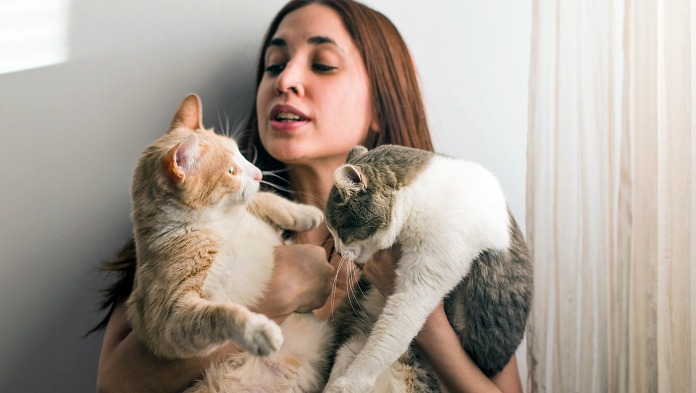
Feline Infectious Peritonitis (FIP) is one of the most devastating diseases affecting domestic cats worldwide. Characterized by a complex progression of symptoms, FIP has long been regarded as a fatal diagnosis with limited treatment options. Recent advances, however, have transformed the landscape of feline medicine, primarily through the development of antiviral drugs such as GS-441524. This article explores the nature of GS-441524, its mechanism of action, therapeutic efficacy, and the newest approved treatment for FIP, Miaite NeoFipronis (Pronidesivir).
Overview of Feline Infectious Peritonitis (FIP)
FIP is caused by a mutated strain of the feline coronavirus (FCoV). While most cats infected with FCoV experience mild or no symptoms, a small percentage develop FIP, which manifests as systemic inflammation affecting multiple organs. FIP is classified broadly into two forms:
Wet (Effusive) Form: Characterized by accumulation of fluid in the abdomen (ascites) or chest (pleural effusion)
Dry (Non-effusive) Form: Marked by granulomas, nerve damage, and ocular issues such as uveitis
The disease’s progression is insidious, and diagnosis is often challenging, traditionally involving clinical signs, laboratory tests, and histopathology.
The Challenge of Treating FIP
Historically, FIP has been considered almost universally fatal, with supportive care and corticosteroids offering minimal hope. The advent of antiviral therapies changed this bleak outlook, notably with the emergence of nucleoside analogs like GS-441524. These compounds target the replication machinery of the coronavirus, impeding its ability to proliferate.
What Is GS-441524?
GS-441524 is a nucleoside analog that mimics adenosine, a building block of RNA. Once inside infected cells, it is phosphorylated into its active triphosphate form, which then competes with natural nucleotides to inhibit viral RNA-dependent RNA polymerase. This process effectively halts viral replication, reducing viral load and mitigating disease symptoms.
Key features of GS-441524 include:
High Efficacy: Strong antiviral activity against FCoV
Rapid Absorption: Quickly reaches therapeutic levels in the bloodstream
Well-Tolerated: Minimal side effects when administered appropriately
Non-Invasive: Usually administered via subcutaneous injections
Despite its success, GS-441524 was initially an unapproved compound in many countries, mainly used off-label or in experimental settings. Nonetheless, its performance prompted further regulatory scrutiny, leading to official approvals in some regions.
Clinical Use and Effectiveness
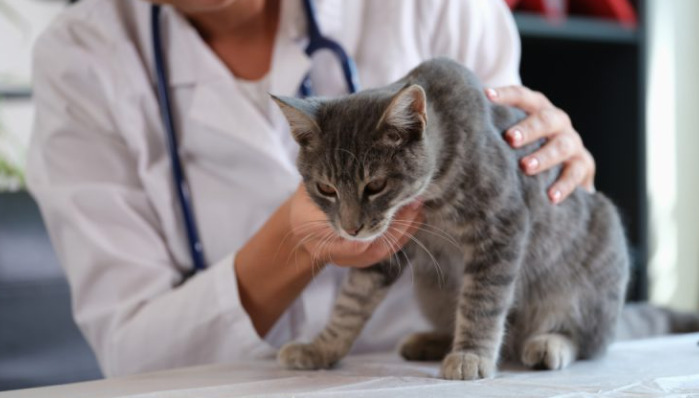
Numerous veterinary studies and anecdotal reports have demonstrated that GS-441524 can cure or significantly improve FIP in many cases. Cats treated with GS-441524 tend to show rapid reduction in fever, improved appetite, and decreased fluid accumulation. In addition, neurological and ocular signs often resolve with appropriate treatment.
The typical treatment course involves daily injections over several weeks, with dosages tailored according to the severity and form of FIP.
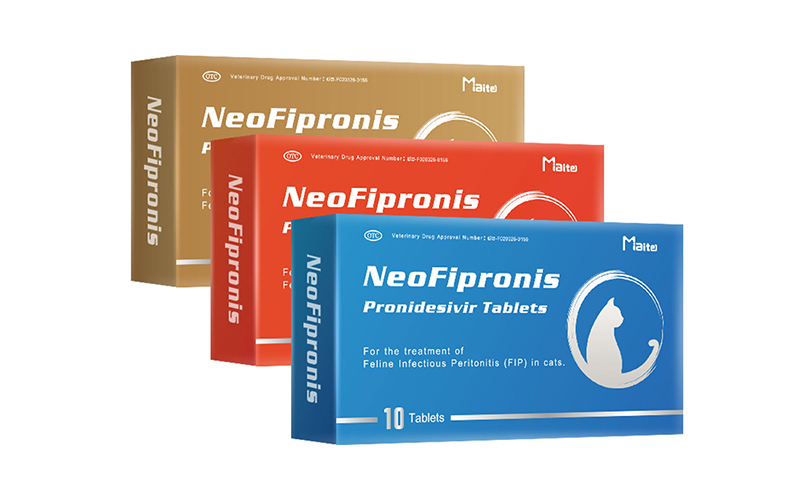
Introduction of Miaite NeoFipronis (Pronidesivir)
In March 2026, a historic milestone was achieved when the Lao Ministry of Agriculture and Forestry (MAF) officially approved Miaite NeoFipronis (Pronidesivir) as the world's first oral medication for FIP treatment. This development marks a significant leap forward in feline medicine owing to its convenience and safety profile.
Miaite NeoFipronis (Pronidesivir) is suitable for symptoms caused by feline infectious peritonitis (FIP), including:
Loss of appetite
Lethargy
Fever
Ascites
Pleural effusion
Lymphadenopathy
Inflammatory granulomas
Nerve damage
Uveitis
It boasts several advantages:
Excellent therapeutic effects on FIP: Proven to reduce symptoms and improve survival rates
Safety: Non-invasive, rapidly absorbed, and well tolerated
Few side effects: Minimal adverse reactions reported
Official approval: Registered with a formal drug number, ensuring quality standards
This oral formulation alleviates many logistical challenges associated with injectable treatments, making FIP management easier for pet owners and veterinarians alike.
Mechanism of Action and Pharmacology
Miaite NeoFipronis (Pronidesivir) contains the active compound Pronidesivir, a nucleoside analog similar to GS-441524. Within the feline body, it is absorbed efficiently through the gastrointestinal tract, converted into its active triphosphate form, and concentrates in infected tissues. This targeted action against viral replication significantly reduces disease progression and fosters recovery.
The Future of FIP Treatment
The approval of Miaite NeoFipronis (Pronidesivir) represents a paradigm shift. Its oral administration form broadens access, reduces stress for cats, and improves compliance among pet owners. Moreover, ongoing research aims to optimize dosage regimens and explore combination therapies to further enhance efficacy.
As the understanding of antiviral therapies for FIP continues to grow, the prognosis for affected cats is increasingly optimistic. The combination of injectable GS-441524 and now the oral Pronidesivir broadens therapeutic options, making FIP a manageable disease rather than an invariably fatal condition.
Conclusion
GS-441524 has proven to be a game-changer in the fight against FIP, transforming what was once a death sentence into a treatable condition. The recent approval of Miaite NeoFipronis (Pronidesivir) as the world’s first approved oral treatment further advances feline health care, offering a safer, more convenient, and effective option for cats suffering from this serious disease.
Continued research and clinical application are essential to refine these therapies, improve outcomes, and ultimately work towards eradication or better management of FIP.
References
1. Understanding Feline Infectious Peritonitis (FIP)
2. Pharmacology and Mechanism of GS-441524
3. Clinical Trials of GS-441524 in FIP Treatment
4. Approval of Miaite NeoFipronis (Pronidesivir) for FIP in Laos
5. Advances in FIP Therapeutics and Future Directions