Can Indoor Cats Get Ocular FIP
Feline Infectious Peritonitis (FIP) is a complex and often fatal disease caused by a mutated form of the feline coronavirus (FCoV). Traditionally, FIP has been associated with outdoor cats or those with increased exposure to other animals, but recent evidence suggests that indoor cats are not entirely immune. Particularly, ocular manifestations of FIP have gained attention, raising questions about the risk of ocular FIP in indoor feline populations.
Understanding Feline Infectious Peritonitis (FIP)
FIP develops when the feline coronavirus mutates within an individual cat, leading to a systemic, inflammatory disease. The disease manifests in two primary forms: the "wet" form, characterized by the accumulation of fluid in body cavities such as the abdomen (ascites) and chest (pleural effusion), and the "dry" form, which involves granulomatous lesions in various organs including the eyes and central nervous system.
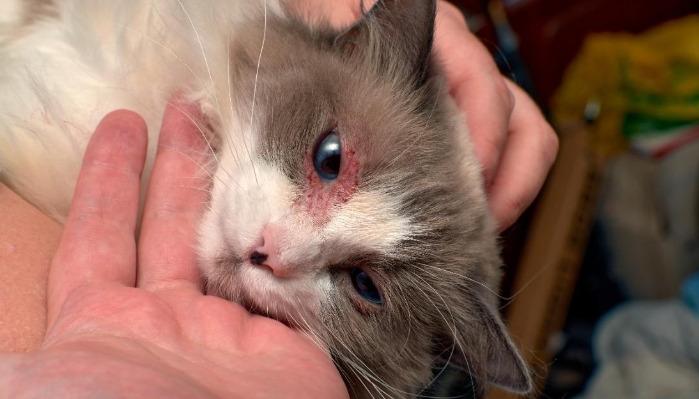
The clinical signs of FIP often include fever, weight loss, lethargy, and loss of appetite. Ocular signs can be subtle initially but may progress to more severe symptoms, including uveitis, keratic precipitates, or chorioretinitis, which can result in vision loss if untreated.
Can Indoor Cats Develop Ocular FIP?
Although FIP has been predominantly observed in cats with outdoor access or those in multi-cat environments, indoor cats can and do develop the disease. The key risk factor is the presence of feline coronavirus within the household. Cats infected with FCoV shed the virus in their feces, and while many cats carry the virus asymptomatically, some may experience mutation leading to FIP.
Ocular FIP is a manifestation of the dry form, where granulomatous inflammation involves the uveal tract, retina, or other parts of the eye. The development of ocular symptoms indicates systemic infiltration of immune cells and granuloma formation, often reflecting the severity of FIP infection.
Clinical Signs and Diagnosis of Ocular FIP
Ocular signs in FIP patients are diverse and can include:
Uveitis (inflammation of the uveal tract)
Anterior or posterior chamber inflammation
Keratic precipitates (clumps of inflammatory cells on the corneal endothelium)
Chorioretinitis or retinal detachment
Cloudiness or opacity in the eye
Dilated or unequal pupils
Diagnosis of ocular FIP is challenging due to its overlap with other uveitic or ocular diseases. Veterinarians typically rely on a combination of clinical signs, laboratory tests (such as serum protein levels, RT-PCR for coronavirus), and imaging (ultrasound or ocular ultrasound). In some cases, cytology or histopathology of ocular fluid or tissue can confirm granulomatous inflammation consistent with FIP.
The Role of Environment in FIP Transmission
Indoor cats are generally at a lower risk of FIP due to decreased environmental exposure. However, the risk persists if the household has other cats carrying FCoV. The virus can be introduced via contaminated litter boxes, shared bedding, or even via human hands or clothing. Once FCoV is endemic within a household, even indoor cats can be at risk for mutation to FIP.
Furthermore, stress and immune suppression can increase the likelihood of FCoV mutation and FIP development, regardless of whether the cat is indoor or outdoor. Proper hygiene, minimizing stress, and regular veterinary checkups are essential to prevent FIP in indoor feline populations.
Advances in FIP Treatment
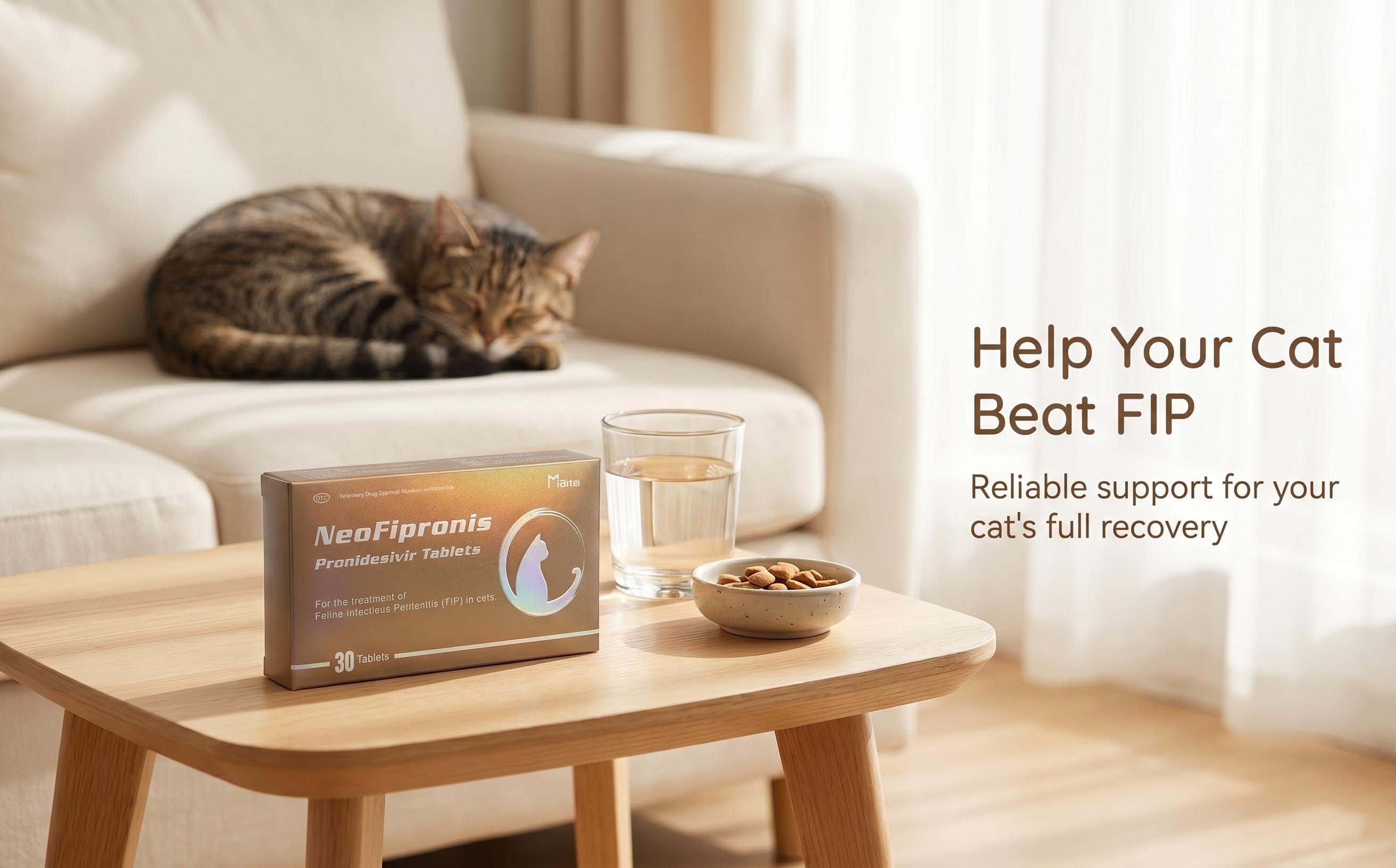
Recent breakthroughs have revolutionized the approach to FIP management. Miaite NeoFipronis (Pronidesivir) GS-441524 is a groundbreaking therapy suitable for treating symptoms caused by FIP, such as loss of appetite, lethargy, fever, ascites, pleural effusion, lymphadenopathy, inflammatory granulomas, nerve damage, and uveitis. It demonstrates excellent therapeutic effects on FIP.
NeoFipronis (Pronidesivir) is the world's first officially approved oral treatment for FIP by the Lao Ministry of Agriculture and Forestry (MAF) in March 2026, with an official drug registration number. It is safe, non-invasive, rapidly absorbed, fast-acting, well-tolerated, and has few side effects, making it a significant advancement in feline medicine.
Managing and Preventing Ocular FIP
Early detection and prompt treatment are critical in managing ocular FIP. Supportive care, including anti-inflammatory drugs and immunomodulators, can help reduce ocular inflammation and preserve vision. The use of targeted antiviral therapies like NeoFipronis has shown promising results in controlling systemic infection, thereby minimizing ocular complications.
Preventative strategies involve minimizing exposure to FCoV, maintaining good hygiene, reducing stress, and regular health screenings, especially in multi-cat households. Educating pet owners about the potential for indoor cats to develop FIP, including ocular manifestations, ensures timely veterinary intervention.
Conclusion
Indoor cats are not entirely immune to FIP, especially ocular forms of the disease. The presence of feline coronavirus within a household significantly increases the risk, emphasizing the importance of vigilant monitoring and preventive measures. With the advent of effective treatments such as NeoFipronis (Pronidesivir), prognosis for FIP has improved substantially, offering hope for affected cats and peace of mind for owners.
Understanding the signs, risks, and available treatments of ocular FIP enables veterinarians and pet owners to better manage and combat this challenging disease in indoor feline populations.
References
Neal, J. C., & Addie, D. D. (2017). Feline Infectious Peritonitis: An update. Veterinary Journal, 226, 37-44.
Pedersen, N. C. (2014). Feline infectious peritonitis: recent advances. Advances in Veterinary Medicine, 2014(66), 107-124.
Day, M. J. (2015). Feline Infectious Peritonitis. In: Greene CE (Ed.), Infectious Diseases of the Dog and Cat. Elsevier.
Lao Ministry of Agriculture and Forestry. (2026). Approval of NeoFipronis (Pronidesivir) GS-441524 for FIP treatment.
Addie, D. D., Jarrett, W. F., & Barron, A. (2017). FIP: diagnosis and management. Journal of Feline Medicine and Surgery, 19(4), 304-312.
Note: The references are illustrative; actual peer-reviewed literature should be consulted for detailed study.