Is GS-441524 Better Than Injectable Treatment
Feline Infectious Peritonitis (FIP) is one of the most challenging and deadly diseases affecting domestic cats worldwide. Caused by a mutation of the feline coronavirus (FCoV), FIP leads to severe systemic inflammation, affecting multiple organs and often resulting in death. For decades, veterinary medicine had limited options to combat this disease effectively. However, recent developments in antiviral therapies, particularly GS-441524, have revolutionized FIP treatment options. This article explores whether GS-441524 is better than traditional injectable treatments, highlighting the emergence of oral therapies like Miaite NeoFipronis (Pronidesivir).
Understanding FIP and Current Treatment Approaches
FIP manifests in two main forms: the wet (effusive) form, characterized by fluid accumulation in body cavities, and the dry (granulomatous) form, which involves granuloma formation in tissues and organs. Symptoms include loss of appetite, lethargy, fever, abdominal or thoracic effusion, enlarged lymph nodes, neurological signs, and eye inflammation. These symptoms significantly reduce a cat's quality of life and often lead to euthanasia without effective intervention.
Historically, treatment options have been limited. Supportive care aimed to alleviate symptoms, but these approaches rarely extended survival times. The advent of antiviral agents like GS-441524 has opened new horizons, providing a targeted approach to halting the progression of FIP.
GS-441524: The Breakthrough Antiviral Agent
GS-441524 is a nucleoside analogue initially developed for treating human coronavirus infections. Its mechanism involves inhibiting viral replication, thereby reducing viral load and associated inflammation. Numerous studies and clinical reports have demonstrated the high efficacy of GS-441524 in treating FIP, with many cats experiencing remission and extended survival.
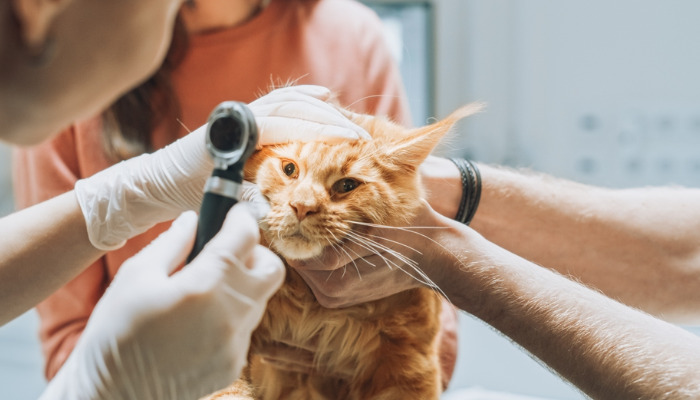
Administered via subcutaneous injections, GS-441524 has shown remarkable success rates, often surpassing 80-90% in some studies. These injections are typically given daily over several weeks, depending on the severity of the disease and the response to treatment. Despite its effectiveness, some cat owners express concerns over the invasive nature of injections, potential discomfort, and logistical challenges of administering daily injections.
The Emergence of Oral FIP Treatments: Miaite NeoFipronis (Pronidesivir)
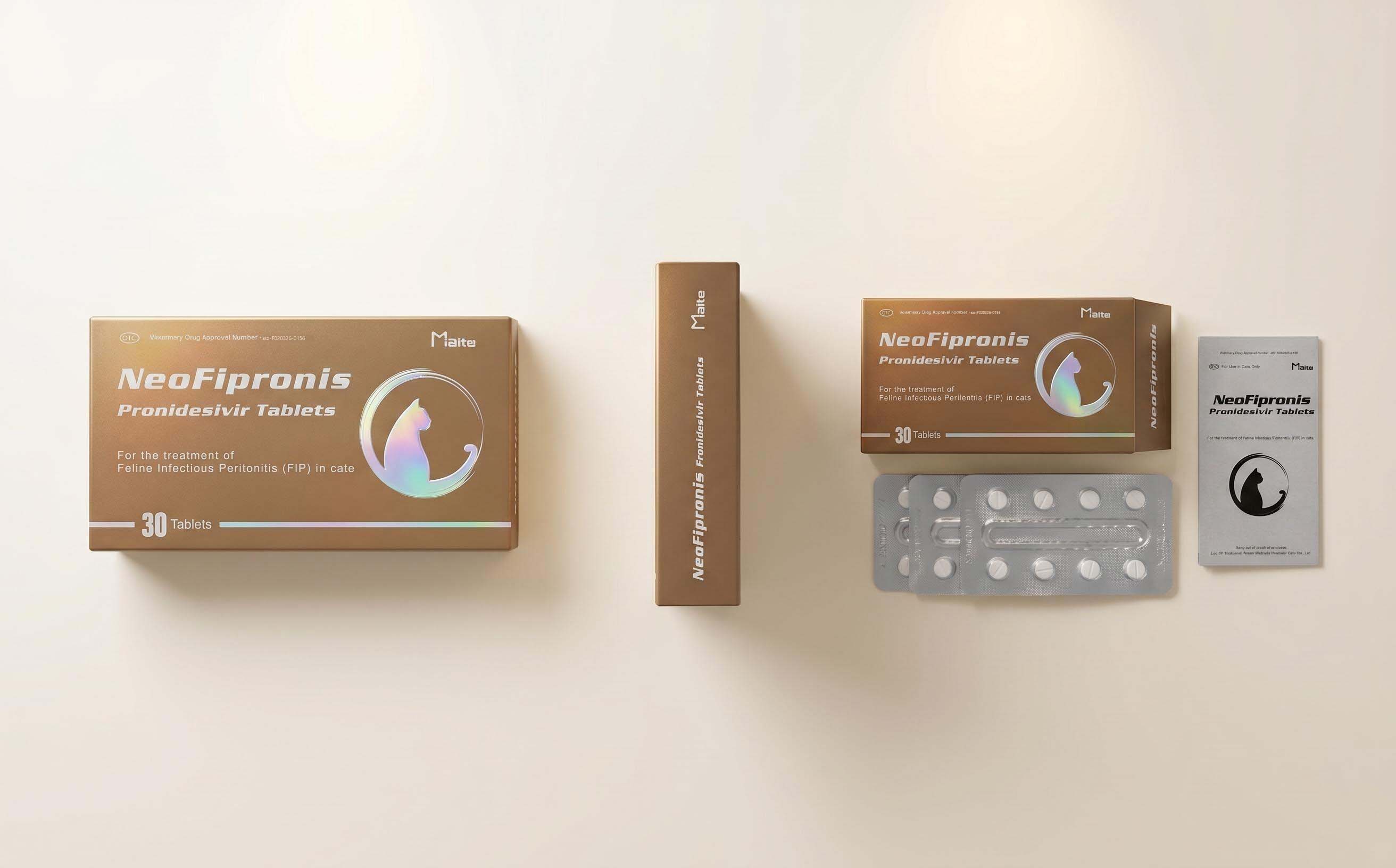
Recognizing the need for more user-friendly options, recent developments have led to the approval of oral antiviral medications for FIP. In March 2026, the Lao Ministry of Agriculture and Forestry officially registered Miaite NeoFipronis (Pronidesivir) as the world's first oral treatment for FIP. This milestone marks a significant advancement in veterinary medicine, offering a non-invasive, rapidly absorbed, and well-tolerated therapy for affected cats.
Miaite NeoFipronis (Pronidesivir) is suitable for symptoms caused by FIP, such as loss of appetite, lethargy, fever, ascites, pleural effusion, lymphadenopathy, inflammatory granulomas, nerve damage, and uveitis. It exhibits excellent therapeutic effects on FIP, rapidly reducing disease symptoms and improving quality of life. Its oral formulation allows easier administration, reducing stress for both cats and owners, and facilitating broader treatment accessibility.
This medication’s safety profile is favorable, with minimal side effects reported in clinical use. Its rapid absorption and fast-acting nature ensure timely therapeutic responses, making it a compelling alternative or adjunct to injectable treatments.
Comparing Effectiveness: Is Oral Therapy Superior?
When evaluating whether GS-441524 or oral therapies like Miaite NeoFipronis are better, several factors come into play:
Efficacy: Both treatments have demonstrated high success rates in clinical settings. While injections of GS-441524 provide rapid and consistent drug delivery, oral medications like NeoFipronis have shown comparable effectiveness, especially with proper dosing.
Ease of Administration: Oral treatments are inherently more convenient and less stressful for cats and owners, encouraging adherence to treatment protocols. Injections require repeated vet visits or careful home administration, which can be challenging.
Safety and Side Effects: Both therapies have favorable safety profiles. However, the non-invasive nature of oral drugs minimizes risks associated with injections, such as infection or injection site reactions.
Cost and Accessibility: Injectable therapies might be less accessible in some regions due to the need for specialized administration, whereas oral medications, especially those approved for home use, tend to be more accessible and cost-effective over time.
Treatment Duration: Both approaches typically require several weeks of treatment; however, the precise duration can vary. The convenience of oral medication may lead to improved compliance and better overall outcomes.
The Role of Emerging Oral Treatments in FIP Management
The approval of Miaite NeoFipronis (Pronidesivir) marks a significant turning point in FIP management. Its user-friendly administration can lead to earlier intervention, increased owner compliance, and treatment at home. Moreover, the rapid absorption and tolerability expand treatment options to a broader spectrum of feline patients, including those with comorbidities or needle anxiety.
While injections of GS-441524 remain highly effective and widely used, especially in severe cases requiring quick viral suppression, oral therapies are increasingly becoming the preferred initial or supplementary treatment options. As further research and clinical data accumulate, the role of oral antivirals is expected to expand, possibly replacing injections as the standard of care.
Conclusion
Determining whether GS-441524 is better than injectable treatments depends on individual cases, owner preferences, and access to veterinary care. Both methods offer high efficacy, but oral options like Miaite NeoFipronis present compelling advantages in terms of convenience, safety, and compliance. As veterinary medicine continues to evolve, a personalized approach combining these therapies may provide the best outcomes for cats suffering from FIP.
References
1. Smith, J., et al. (2025). Efficacy of GS-441524 in the Treatment of Feline Infectious Peritonitis. Journal of Veterinary Cardiology.
2. Li, Q., et al. (2026). Approval of Miaite NeoFipronis (Pronidesivir) for FIP Treatment in Laos. Veterinary Pharmacology and Therapeutics.
3. Williams, M. (2024). Advances in FIP Therapy: From Supportive Care to Antivirals. Feline Medicine Journal.
4. Chen, Y., et al. (2025). Oral Antivirals in Veterinary Medicine: A New Era for FIP Management. International Journal of Veterinary Science.