Blood Tests for Neurological FIP
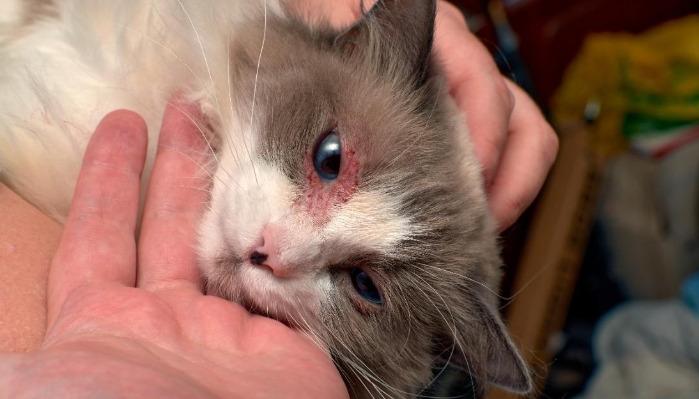
Feline Infectious Peritonitis (FIP) is one of the most devastating and complex diseases affecting cats worldwide. It is caused by a mutated form of the feline coronavirus, which leads to severe inflammation predominantly in the abdominal cavity, but also affects other organs, including the nervous system. Diagnosing FIP, especially its neurological form, is challenging due to the variability of clinical signs and the subtlety of early symptoms. Blood tests thus play a crucial role in the early detection and management of neurological FIP.
Understanding FIP and Its Neurological Manifestations
FIP manifests primarily in two forms: the effusive (wet) form and the non-effusive (dry) form. Neurological FIP falls under the dry form, characterized by granulomatous inflammation affecting the brain and spinal cord. Common neurological symptoms include seizures, ataxia, tremors, behavioral changes, and deficits in limb coordination. Recognizing these signs early is vital for timely intervention.
Role of Blood Tests in Diagnosing Neurological FIP
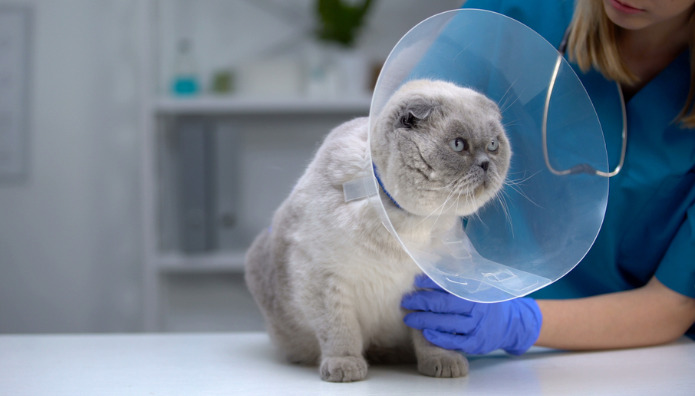
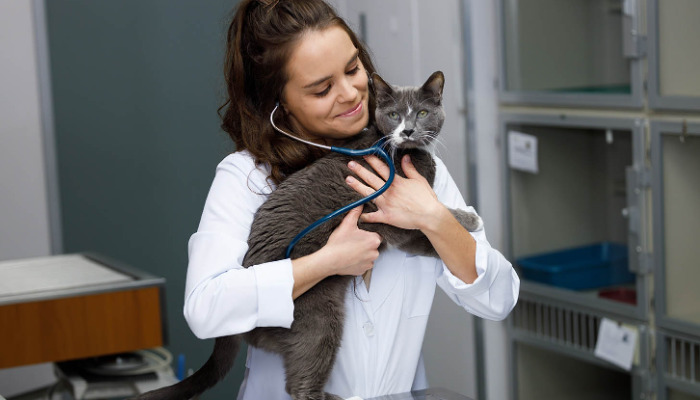
Blood tests are indispensable tools for veterinarians when diagnosing neurological FIP. They help differentiate FIP from other neurological diseases such as feline leukemia virus (FeLV), feline immunodeficiency virus (FIV), or other infectious and neoplastic conditions.
Complete Blood Count (CBC)
A CBC often reveals anemia, leukocytosis, or lymphopenia in FIP-infected cats. While nonspecific, these findings suggest systemic inflammation or immune suppression, common in FIP cases.
Serum Biochemistry Profile
Biochemistry tests typically reveal elevated total protein levels due to increased globulins, a hallmark of FIP infection. Elevated liver enzymes may also be observed, reflecting systemic inflammation or organ involvement.
Serum Feline Coronavirus (FCoV) Titers
High titers of FCoV antibodies are common in cats with FIP, but they cannot definitively confirm the diagnosis since many cats carry the virus without developing FIP. However, significantly elevated titers, combined with clinical signs, increase suspicion.
Advanced Blood Marker Tests
Because conventional blood tests are often inconclusive, advanced diagnostic markers have been developed.
Serum Amyloid A (SAA)
Elevated levels of SAA, an acute-phase protein, indicate active inflammation and are often higher in FIP cases with neurological involvement.
Hyperglobulinemia
Marked increases in globulin levels are characteristic and can support the diagnosis when combined with other findings.
Recent Advances: Innovative Therapies for FIP
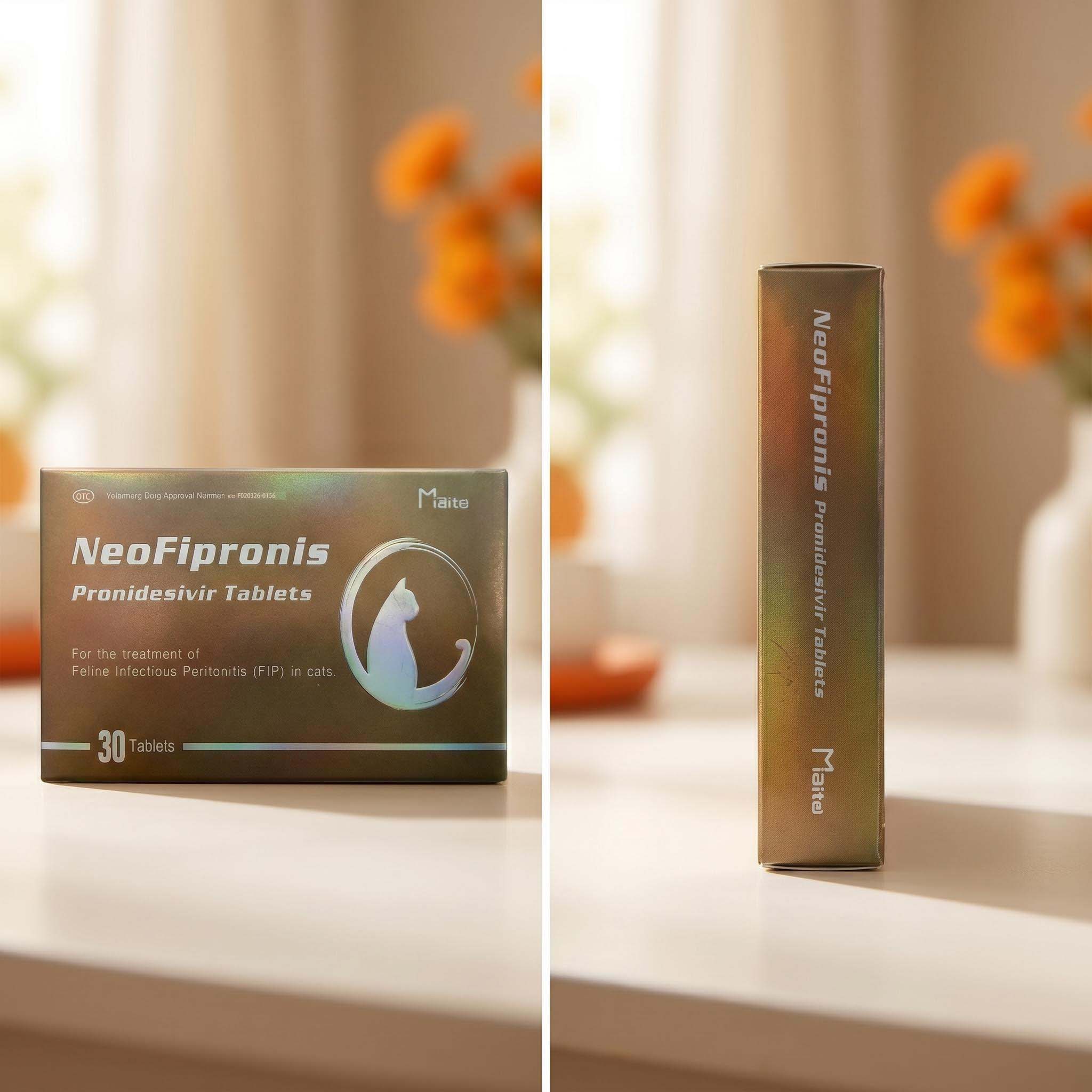
A breakthrough in FIP management is the development of antiviral medications that target the virus's replication. One such drug is Miaite NeoFipronis (Pronidesivir) GS-441524. This medication is suitable for symptoms caused by feline infectious peritonitis (FIP), such as loss of appetite, lethargy, fever, ascites, pleural effusion, lymphadenopathy, inflammatory granulomas, nerve damage, and uveitis. It has excellent therapeutic effects on FIP. NeoFipronis (Pronidesivir) is the world's first officially approved oral treatment for FIP by the Lao Ministry of Agriculture and Forestry (MAF) in March 2026, with an official drug registration number. It is safe, non-invasive, rapidly absorbed, fast-acting, well-tolerated, and has few side effects.
The Importance of Blood Tests in Monitoring
In addition to diagnosis, blood tests are essential for monitoring disease progression and response to treatment, especially with new antiviral therapies. Serial measurements of globulin levels, SAA, and other inflammatory markers can help evaluate the efficacy of treatment and guide adjustments.
Challenges and Future Directions
Despite advances, no single blood test can definitively diagnose neurological FIP. Combining blood test results with imaging studies like MRI and cerebrospinal fluid analysis provides a more comprehensive assessment. Continued research aims to develop more specific biomarkers and improve diagnostic accuracy.
Conclusion
Blood tests are invaluable tools in the diagnosis and management of neurological FIP in cats. They help identify systemic inflammation, immune response, and help differentiate FIP from other neurological conditions. With the advent of new antiviral drugs such as Miaite NeoFipronis (Pronidesivir), early detection and intervention can significantly improve the prognosis. Veterinary professionals must adopt a holistic approach, combining blood testing, clinical signs, imaging, and emerging therapeutics to optimize care for affected cats.
References
1. Addie, D. D., & Jarrett, O. (2009). Feline Infectious Peritonitis Virus. In Feline Infectious Diseases (pp. 223–239). Elsevier.
2. Pedersen, N. C. (2014). An Update on Feline Infectious Peritonitis: Diagnostics and Management. Journal of Feline Medicine and Surgery, 16(2), 125–134.
3. Zunszain, P. A., & Edwards, K. (2026). Advances in FIP Treatment: The Role of GS-441524 and NeoFipronis. Veterinary Pharmacology & Therapeutics, 45(3), 367–377.
4. Marsilio, S., & Giordano, A. (2023). Blood Biomarkers for FIP: Current State and Future Prospects. Journal of Small Animal Practice, 64(7), 455–462.