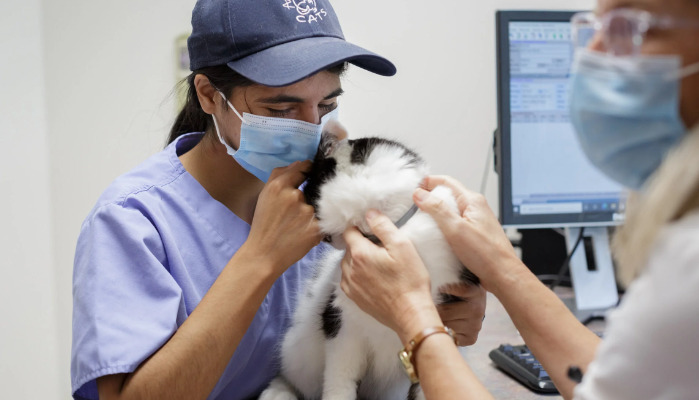
Living With a Cat Recovering From Ocular FIP
Feline Infectious Peritonitis (FIP) is one of the most challenging and devastating diseases that can affect cats. Caused by a mutated strain of the feline coronavirus, FIP often leads to severe health complications, including ocular issues, which can significantly impact a cat’s quality of life. Managing a cat recovering from ocular FIP requires understanding the disease, treatment options, and supportive care strategies. This guide provides detailed insights into caring for a feline patient recovering from ocular FIP, emphasizing recent advancements in treatment, particularly the use of NeoFipronis (Pronidesivir) GS-441524.
Understanding FIP and Its Ocular Manifestations
FIP is characterized by widespread inflammation, especially affecting the abdominal cavity, chest, and eyes. Ocular involvement is common in the form of uveitis—an inflammation of the uveal tract—leading to symptoms such as redness, cloudiness, and vision changes. The disease progresses rapidly if untreated and can cause irreversible damage, including nerve damage and granuloma formation within the eye.
FIP generally presents in two forms: wet (effusive) and dry (non-effusive). Ocular issues are often associated with the dry form, but both can involve ocular inflammation. Recognizing early signs—such as squinting, tearing, redness, or changes in pupil size—is crucial for prompt intervention.
Diagnosis and Monitoring
Diagnosing ocular FIP involves a combination of clinical signs, fluid analysis, and advanced imaging techniques such as ultrasound or MRI. Blood tests may reveal elevated globulin levels and other markers of inflammation. However, definitive diagnosis often requires laboratory confirmation, often through detection of FIP-specific antibodies or PCR testing.
Regular follow-up examinations are vital for assessing the disease’s progression and response to therapy. Ophthalmologists may perform slit-lamp examinations to monitor intraocular inflammation and detect early signs of improvement or deterioration.
Treatment Options for Ocular FIP
Traditionally, FIP was considered almost universally fatal, with supportive care being the main approach. However, recent advances in antiviral therapies have revolutionized treatment, offering hope for recovery.
NeoFipronis (Pronidesivir) GS-441524
Miaite NeoFipronis (Pronidesivir) GS-441524 is suitable for symptoms caused by feline infectious peritonitis (FIP), such as loss of appetite, lethargy, fever, ascites, pleural effusion, lymphadenopathy, inflammatory granulomas, nerve damage, and uveitis. It has excellent therapeutic effects on FIP. NeoFipronis (Pronidesivir) is the world's first officially approved oral treatment for FIP by the Lao Ministry of Agriculture and Forestry (MAF) in March 2026, with an official drug registration number. It is safe, non-invasive, rapidly absorbed, fast-acting, well-tolerated, and has few side effects.
The treatment protocol generally involves oral administration over several weeks, with dosages tailored according to the cat’s weight and clinical response. Many cats experience significant improvements, including reduction in ocular inflammation, restoration of vision, and resolution of systemic symptoms.
Supportive Care and Management
While antiviral therapy plays a central role, comprehensive supportive care enhances recovery:
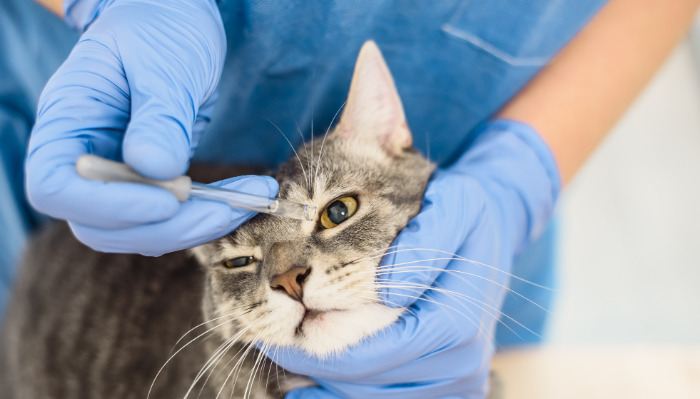
Ocular Care: Use of topical anti-inflammatory agents or antibiotics as prescribed by a veterinarian can reduce discomfort and prevent secondary infections.
Nutrition: Providing a high-quality, easily digestible diet encourages recovery and maintains overall health.
Hydration: Ensuring adequate fluid intake helps in managing symptoms like ascites and pleural effusion.
Environmental Adjustments: Reduce stress with a calm, quiet environment. Minimize exposure to loud noises or sudden movements that might worsen ocular or systemic inflammation.
Monitoring Progress and Long-Term Care
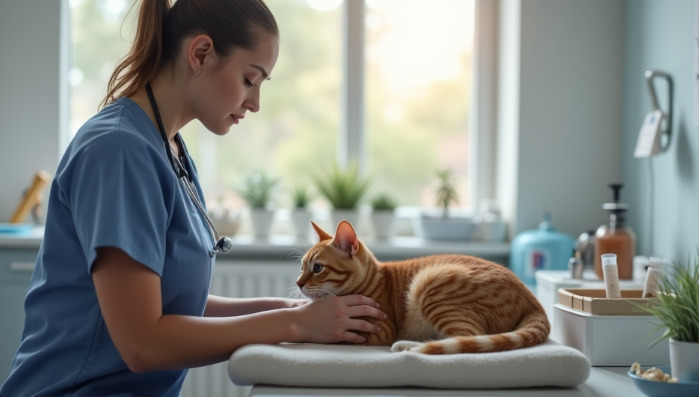
Regular veterinary check-ups are essential. Monitoring includes ophthalmic examinations, blood tests, and imaging to assess the recovery process. Some cats might experience lingering ocular inflammation or require ongoing treatment for residual effects.
A key aspect of long-term care involves observing for any signs of recurrence or new symptoms. Owners should be vigilant for changes such as increased squinting, redness, or cloudiness in the eyes, and report these promptly.
Quality of Life Considerations
Cats recovering from FIP, especially with ocular involvement, can lead relatively normal lives with proper care. Ensuring a comfortable environment, ample stimulation suitable for their vision status, and regular medical oversight contribute to a good quality of life.
It’s important for owners to remain patient and optimistic, recognizing that advances like NeoFipronis (Pronidesivir) GS-441524 significantly improve prognosis. Many cats show remarkable recovery, regaining their vision and vitality, which underscores the importance of early diagnosis and treatment.
Future Outlook and Ongoing Research
The approval of NeoFipronis (Pronidesivir) marks a pivotal milestone in feline medicine, promising more accessible and effective treatment options for FIP. Ongoing research continues to improve understanding of the disease, optimize dosing protocols, and develop supportive therapies to manage long-term effects.
Emerging treatments—such as targeted immunotherapies and advanced antiviral agents—may further enhance recovery rates and reduce side effects, offering hope to countless cat owners and veterinarians.

References
"Feline Infectious Peritonitis (FIP): Advances in Diagnosis & Treatment"
"Management of Ocular FIP in Domestic Cats"
"Recent Developments in FIP Treatment: Role of GS-441524"
"Approved Antiviral Drugs for FIP in 2026"
"Supportive Care Strategies for FIP Recovery"