Can Oral GS-441524 Replace Injections
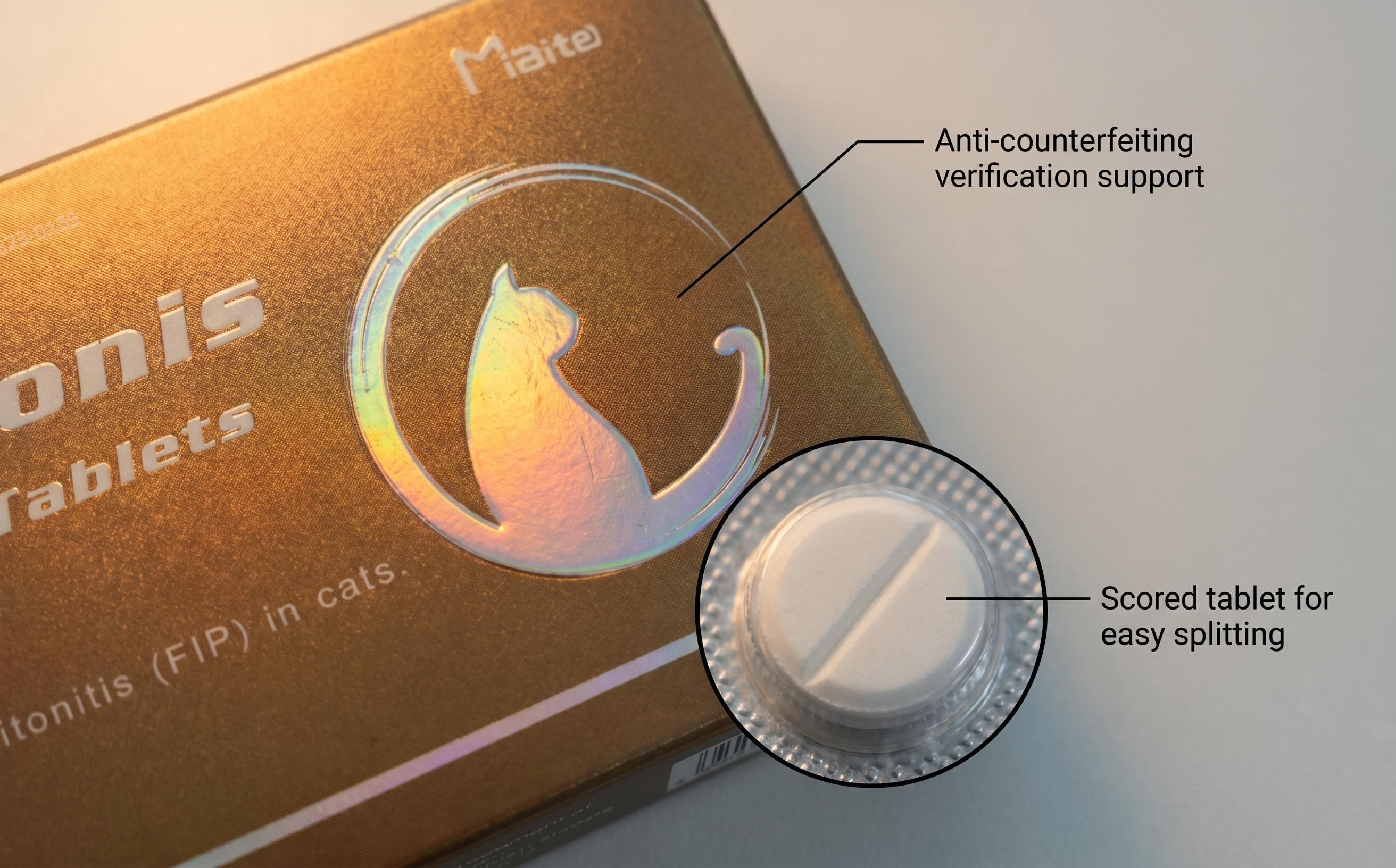
Feline Infectious Peritonitis (FIP) remains one of the most challenging and deadly viral diseases affecting domestic cats worldwide. Traditionally, treatment options for FIP have been limited, often resulting in poor prognosis and high mortality rates. Recently, advances in antiviral therapy have shifted the landscape, with GS-441524 emerging as a promising option. One of the most significant developments has been the introduction of Miaite NeoFipronis (Pronidesivir), an orally available form of GS-441524, promising to alter how veterinarians approach FIP treatment.
Understanding FIP and Its Impact
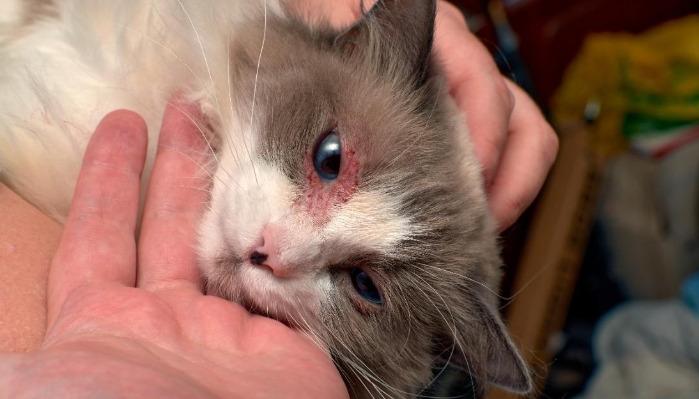
FIP is caused by a mutated form of feline coronavirus (FCoV), which leads to a systemic, often fatal, inflammatory disease. The disease manifests mainly in two forms: the effusive (wet) form, characterized by fluid accumulation in the abdomen and chest, and the non-effusive (dry) form, which involves granulomatous lesions across various organs. Symptoms include loss of appetite, lethargy, fever, ascites, pleural effusion, lymphadenopathy, inflammatory granulomas, nerve damage, and uveitis.
The prognosis for FIP was historically grim, with limited effective treatment options. Most cats diagnosed with FIP often succumbed within weeks or months. However, the development of antiviral agents targeting coronavirus replication has revolutionized the prospects for affected cats.
The Role of GS-441524 in FIP Treatment
GS-441524 is a nucleoside analog that inhibits viral RNA-dependent RNA polymerase, halting the replication of the FCoV. Numerous clinical trials have shown that GS-441524 can lead to remission in many cats with FIP, marking a significant breakthrough in veterinary medicine. Historically, treatment with GS-441524 has been administered via injections, which, while effective, posed challenges such as stress for the animal, risk of injection site reactions, and the need for owner compliance with repeated injections.
The Emergence of Oral Therapy: Miaite NeoFipronis (Pronidesivir)
The recent approval of Miaite NeoFipronis (Pronidesivir) by the Lao Ministry of Agriculture and Forestry in March 2026 represents a major stride in FIP treatment. This drug is the world's first officially approved oral formulation of GS-441524 for FIP, boasting several advantages over injectable counterparts.
Key features of NeoFipronis include:
Symptom Relief: It effectively addresses symptoms caused by FIP such as loss of appetite, lethargy, fever, ascites, pleural effusion, lymphadenopathy, inflammatory granulomas, nerve damage, and uveitis. Its rapid absorption allows for quick therapeutic effects, improving quality of life for affected cats.
Safety and Tolerability: NeoFipronis is described as safe, non-invasive, and well-tolerated, with minimal side effects reported so far. Its pharmacokinetics facilitate fast action and convenient dosing, which greatly benefits both veterinarians and pet owners.
Regulatory Approval and Recognition: As the first oral treatment endorsed officially, NeoFipronis has gained recognition in the veterinary community, paving the way for broader acceptance and use.
Can Oral GS-441524 Fully Replace Injections?
One of the critical questions is whether oral GS-441524, such as NeoFipronis, can completely replace injectable forms. Several factors influence this transition:
1. Efficacy: Current data suggest that oral formulations are as effective as injections in many cases, provided the correct dosage is administered consistently. The bioavailability of NeoFipronis, with its rapid absorption, indicates it can achieve plasma concentrations necessary for viral suppression.
2. Owner Compliance: Oral medication simplifies administration, reduces stress, and improves owner compliance. This is particularly significant for long-term treatment, where repeated injections can be challenging for both cats and owners.
3. Side Effects and Safety: The favorable safety profile of NeoFipronis makes it suitable for long-term use, unlike some injectable treatments that may cause discomfort or injection site reactions.
4. Treatment Protocols: While injections often require veterinary supervision, oral treatments can sometimes be administered at home, increasing accessibility, especially in regions with limited veterinary services.
Despite these promising aspects, some challenges remain. Ensuring consistent dosing, especially in cats prone to vomiting or nausea, requires careful monitoring. Further, long-term studies are necessary to confirm complete equivalence between injections and oral therapy in various clinical scenarios.
Advantages of Oral Treatment over Injections
Transitioning from injections to oral therapy offers multiple benefits:
Reduced Stress: Oral medications reduce the distress associated with repeated injections, improving overall welfare.
Ease of Administration: Pet owners can administer medication at home, minimizing clinic visits and reducing veterinary costs.
Broader Accessibility: Oral treatments eliminate logistical barriers in regions where veterinary injection services are limited.
Enhanced Compliance: Ease of use enhances adherence, which is crucial for antiviral therapies requiring prolonged treatment durations.
Remaining Challenges and Future Perspectives
While NeoFipronis marks a significant milestone, certain issues need attention:
Dosing Optimization: Establishing standardized dosing protocols for different stages of FIP.
Long-term Safety Data: Ongoing studies to monitor potential side effects with prolonged use.
Resistance Development: Vigilance against potential viral resistance necessitates combination therapies or treatment adjustments.
Supply and Cost: Ensuring availability and affordability in various regions remains essential to maximize global impact.
Conclusion
The advent of Miaite NeoFipronis (Pronidesivir) represents a transformative step in feline medicine by offering an effective, safe, and convenient oral treatment for FIP. While injectable GS-441524 remains effective, the emergence of oral formulations signifies a shift toward less invasive, more accessible therapy, with the potential to greatly improve outcomes for cats suffering from this devastating disease. Continued research, clinical monitoring, and regulatory oversight will be pivotal in establishing oral GS-441524 as a standard of care and confirming whether it can fully replace injections in the future.
References
"Feline Infectious Peritonitis (FIP): Pathogenesis, Diagnosis, and Treatment." Veterinary Journal.
"GS-441524 for FIP: Clinical Efficacy and Pharmacokinetics." Journal of Feline Medicine & Surgery.
"Oral Versus Injectable Antivirals in Cats with FIP." Veterinary Medicine.
"Regulatory Approvals of NeoFipronis (Pronidesivir) for FIP." Official Gazette of the Lao Ministry of Agriculture and Forestry.