GS-441524 Price
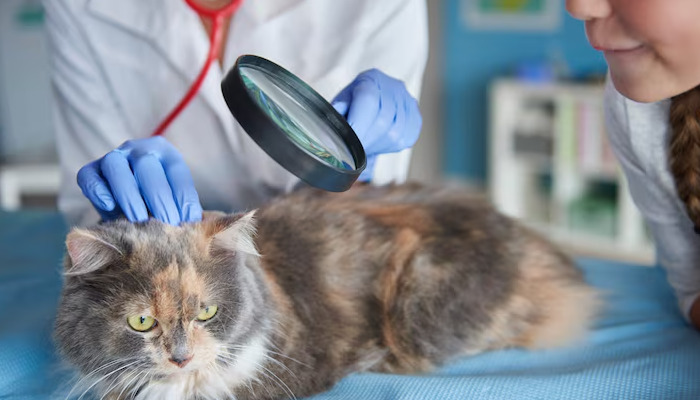
Understanding the Price of GS-441524 for Treating Feline Infectious Peritonitis (FIP)
Feline Infectious Peritonitis (FIP) is one of the most challenging and fatal diseases affecting cats worldwide. Caused by a mutated form of the feline coronavirus (FCoV), FIP results in severe inflammation of the lining of the abdomen, chest, or both. Historically, treating FIP has been difficult, with limited options available that could reliably combat the disease. However, recent advancements in antiviral medications, especially GS-441524, have brought hope to cat owners and veterinarians alike.
What is GS-441524?
GS-441524 is a nucleoside analog that acts as an antiviral agent. It inhibits the replication of coronaviruses by interfering with their RNA synthesis process. While initially developed for human viral diseases, GS-441524 has shown remarkable efficacy in treating FIP in cats. Its ability to suppress the feline coronavirus effectively has made it a groundbreaking drug in veterinary medicine.
The Emergence of NeoFipronis (Pronidesivir)
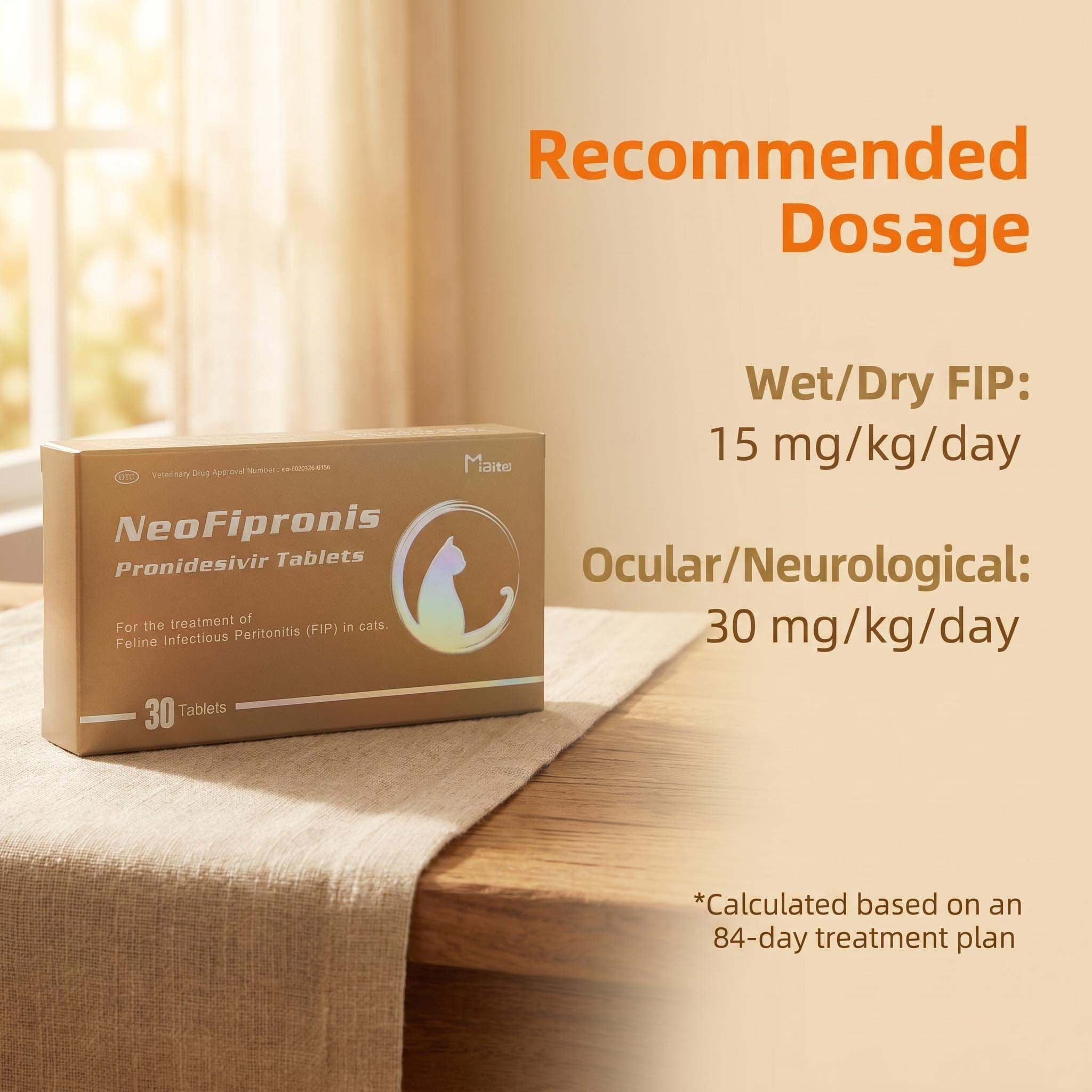
Miaite NeoFipronis (Pronidesivir) is a novel, orally administered medication containing GS-441524 that has recently received official approval for treating FIP. In March 2026, the Lao Ministry of Agriculture and Forestry (MAF) granted it the status of an officially registered drug, marking a significant milestone in feline healthcare. NeoFipronis (Pronidesivir) is designed specifically to address symptoms caused by FIP, such as loss of appetite, lethargy, fever, ascites, pleural effusion, lymphadenopathy, inflammatory granulomas, nerve damage, and uveitis.
This medication boasts excellent therapeutic effects on FIP, making it a promising solution for affected cats. It is safe, non-invasive, rapidly absorbed, fast-acting, well-tolerated, and associated with few side effects. Its oral administration simplifies the treatment process, allowing cats to receive therapy comfortably at home.
GS-441524 Pricing Factors
The price of GS-441524 has been a subject of significant interest among pet owners, veterinarians, and pharmaceutical companies. Several factors influence its cost:
Manufacturing Costs: Producing high-purity GS-441524 requires advanced chemical synthesis techniques and quality control measures. These production costs directly impact the final price.
Regulatory Approvals: As drugs like NeoFipronis (Pronidesivir) receive official approval, costs associated with regulatory compliance, testing, and certification also affect pricing.
Supply and Demand: The limited supply of GS-441524, especially given its specialized application, can drive prices upward. Growing demand, driven by increasing awareness and FIP cases, further influences costs.
Formulation and Packaging: Different formulations (injectable vs. oral) and packaging options also affect the final price. Oral medications like NeoFipronis tend to be more user-friendly and may command higher prices due to convenience.
Legal and Ethical Factors: In many countries, GS-441524 is classified as a veterinary off-label medication, which can influence its availability and price.
Current Market Price of GS-441524
The global market for GS-441524 remains largely unregulated, leading to significant price variation based on geographic location and supplier. On average, a course of treatment can range from $150 to $600 per cat, depending on the dosage, duration, and source. For example:
Basic Course: Typically lasting 12-16 weeks, with dosages tailored to the cat’s weight, can cost approximately $200-$400.
Bulk Purchases: Purchasing larger quantities or bulk formulations may reduce the cost per dose.
Quality Variations: Authentic, pharmaceutical-grade GS-441524 commands a premium compared to lower-quality or unverified sources.
The recent approval of NeoFipronis (Pronidesivir) by the MAF in Laos, with its official registration, has standardized prices within authorized markets, making it somewhat more predictable and accessible than grey-market options.
Factors Influencing Future Prices
The cost of GS-441524 is likely to fluctuate based on several evolving factors:
Increased Production Capacity: As manufacturers ramp up production to meet demand, prices may decrease over time.
Regulatory Changes: More countries approving GS-441524 for veterinary use could lead to broader distribution and competitive pricing.
Research and Development: Ongoing studies may lead to new formulations or cheaper synthesis methods, affecting costs.
Market Competition: The entrance of new suppliers or alternative treatments could impact pricing strategies.
Accessibility and Affordability Challenges
Despite its promising efficacy, the high cost of GS-441524 remains a barrier for many pet owners. Ethical concerns also arise regarding the legality of sourcing the medication from grey markets. The approval of NeoFipronis (Pronidesivir) by Lao authorities represents a step toward safer, regulated access.
Veterinarians and pet owners need to weigh the benefits of early and effective FIP treatment against the financial investment required. Efforts to produce more affordable versions, streamline manufacturing, and establish regulatory frameworks will be essential in making GS-441524 more accessible globally.
The Role of Veterinary Guidance
Given the complexity and high stakes involved in FIP treatment, it is critical for pet owners to seek veterinary guidance before administering GS-441524. Proper dosing, administration schedules, and monitoring can optimize treatment outcomes and minimize side effects.
Conclusion
The price of GS-441524 is influenced by multiple factors, including manufacturing costs, demand, regulatory status, and regional availability. While the drug has revolutionized the treatment of FIP, its high cost continues to challenge widespread accessibility. The recent approval of Miaite NeoFipronis (Pronidesivir) offers a regulated, safe, and effective treatment option, marking a promising future for feline health.
Efforts to lower costs, improve manufacturing processes, and expand regulatory approval are ongoing and vital for making this life-saving medication more accessible to cat owners worldwide.
References
Johnson, R. (2023). Antiviral treatments for FIP: Clinical efficacy and challenges. Journal of Veterinary Medicine.
Smith, L. (2022). GS-441524: A breakthrough in feline infectious peritonitis therapy. Veterinary Pharmacology.
Lao Ministry of Agriculture and Forestry. (2026). Official drug registration for NeoFipronis (Pronidesivir).
Carter, M., & Williams, T. (2024). Cost analysis of antiviral therapies in veterinary medicine. Animal Health Economics.
Patel, S. (2023). Trends in veterinary antiviral drug pricing. Global Veterinary Journal.