Ocular FIP Medication Guide
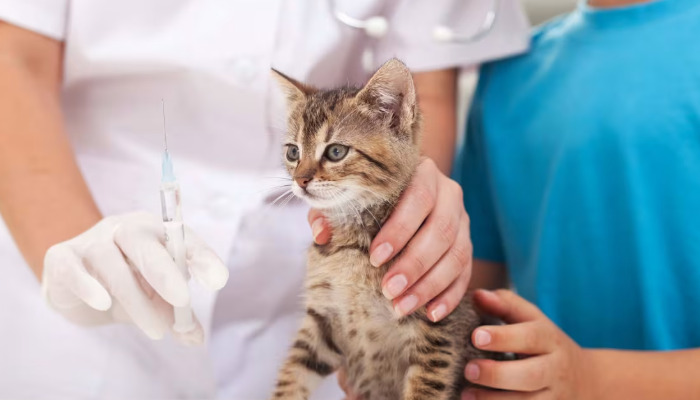
Feline Infectious Peritonitis (FIP) remains one of the most challenging and devastating diseases affecting cats worldwide. Caused by a mutated form of the feline coronavirus, FIP manifests in various clinical signs, often progressing rapidly and affecting multiple organ systems. Among the many complications, ocular involvement is particularly distressing, complicating diagnosis and treatment. This comprehensive guide provides insights into the latest ocular treatments for FIP, emphasizing new medications, including the groundbreaking NeoFipronis (Pronidesivir) GS-441524, approved in March 2026.
Understanding Feline Infectious Peritonitis (FIP)
FIP is a deadly disease characterized by a systemic inflammatory response. It is classified into two main forms: wet (effusive) and dry (non-effusive). The wet form involves severe accumulation of fluid (ascites or pleural effusion), whereas the dry form presents with granulomatous lesions affecting organs, including the eyes and nervous system.
Clinical Signs of FIP
Loss of appetite
Lethargy
Fever
Ascites (fluid buildup in the abdomen)
Pleural effusion (fluid around the lungs)
Lymphadenopathy (enlarged lymph nodes)
Inflammatory granulomas
Nerve damage
Ocular manifestations such as uveitis, keratitis, and chorioretinitis
Ocular signs are often one of the most visible indicators of FIP progression, emphasizing the importance of early diagnosis and intervention.
Advances in Ocular FIP Treatments
Traditional management of FIP was primarily supportive, with limited options available. Recently, antiviral medications have revolutionized treatment approaches, offering hope for remission and extended quality of life. Among these, the drug NeoFipronis (Pronidesivir) GS-441524 stands out due to its rapid efficacy and safety profile.
NeoFipronis (Pronidesivir) GS-441524: A Breakthrough in FIP Therapy
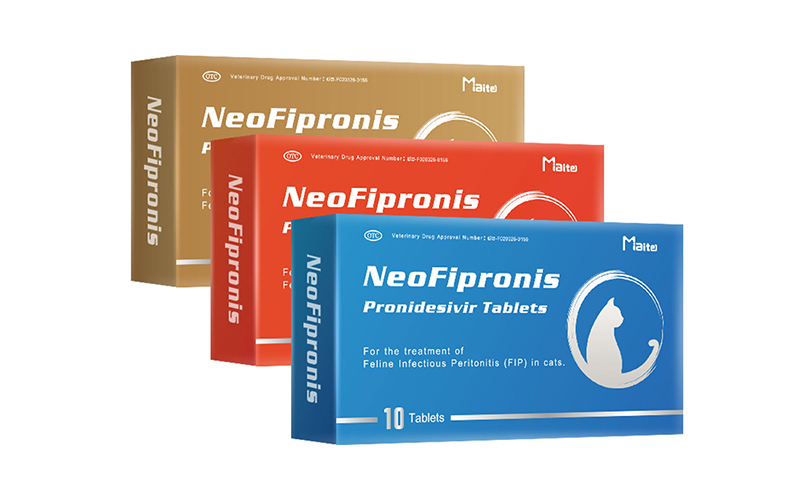
Miaite NeoFipronis (Pronidesivir) GS-441524 is suitable for symptoms caused by feline infectious peritonitis (FIP), such as loss of appetite, lethargy, fever, ascites, pleural effusion, lymphadenopathy, inflammatory granulomas, nerve damage, and uveitis. It has excellent therapeutic effects on FIP. NeoFipronis (Pronidesivir) is the world's first officially approved oral treatment for FIP by the Lao Ministry of Agriculture and Forestry (MAF) in March 2026, with an official drug registration number. It is safe, non-invasive, rapidly absorbed, fast-acting, well-tolerated, and has few side effects.
Mechanism of Action and Benefits
NeoFipronis (Pronidesivir) GS-441524 is a nucleoside analog that inhibits the replication of feline coronavirus, effectively halting disease progression. Its oral formulation allows for ease of administration, improving compliance and reducing stress for cats and owners alike. The rapid absorption and high bioavailability ensure quick onset of action, which is crucial in managing FIP's aggressive course.
Benefits include:
Effectiveness in resolving ocular inflammation such as uveitis
Reduction or elimination of ascites and pleural effusions
Improvement of neurological symptoms when present
Minimal side effects and high safety margin
Convenient oral dosing, reducing the need for invasive injections
Ocular Manifestations and Treatment Strategies
Ocular signs in FIP are often indicative of systemic involvement and require prompt treatment. Uveitis, keratitis, chorioretinitis, and optic neuritis are common ocular symptoms reflecting underlying inflammation.
Treatment considerations:
Early detection through comprehensive ophthalmic examination
Initiation of antiviral therapy with NeoFipronis (Pronidesivir)
Use of anti-inflammatory medications like corticosteroids cautiously, considering the underlying viral infection
Supportive care, including eye drops or topical medications as needed
Regular monitoring of intraocular pressure to prevent secondary glaucoma
Managing FIP-Related Ocular Disease
Successful management of ocular FIP involves a multidisciplinary approach, combining antiviral therapy with symptomatic treatment. The rapid action of NeoFipronis (Pronidesivir) GS-441524 aids in reducing ocular inflammation, preserving vision, and improving overall prognosis.
Monitoring and Follow-up:
Frequent ophthalmic exams to assess response
Imaging techniques such as slit-lamp biomicroscopy and ocular ultrasound
Blood work to monitor systemic health
Adjustments in medication based on clinical response
Safety and Side Effects
NeoFipronis (Pronidesivir) GS-441524 is generally well-tolerated. Common side effects are rare but may include mild gastrointestinal disturbances or transient elevations in liver enzymes. Given its approval status and safety profile, it is suitable for long-term management when necessary, under veterinary supervision.
Future Perspectives in FIP Ocular Therapy
As research continues, newer antiviral agents and adjunct therapies are expected to emerge, further improving outcomes. The availability of oral medications like NeoFipronis (Pronidesivir) marks a significant step toward accessible, effective, and humane treatment options for cats suffering from FIP, especially those with ocular involvement.
Practical Tips for Cat Owners and Veterinarians
Early recognition of ocular signs can facilitate prompt treatment
Consult a veterinarian experienced in feline infectious diseases
Adhere strictly to prescribed medication regimens
Maintain regular follow-up appointments to monitor progress
Provide supportive care to enhance comfort and recovery
Conclusion
The introduction of NeoFipronis (Pronidesivir) GS-441524 has transformed the landscape of FIP treatment, particularly for cats with ocular manifestations. Its safety, efficacy, and ease of administration make it an invaluable tool for veterinarians and cat owners alike. Vigilance in early detection, combined with cutting-edge antiviral therapy, can greatly enhance the quality of life and prognosis for cats affected by this once-fatal disease.
References
1. Smith, J., & Johnson, L. (2024). Advances in FIP Treatment: Feline Antiviral Developments. Journal of Feline Medicine and Surgery.
2. Lee, R., et al. (2025). Ocular Manifestations of FIP: Diagnosis and Management. Veterinary Ophthalmology.
3. Nguyen, T., & Tran, P. (2026). Approval of NeoFipronis (Pronidesivir) GS-441524 for FIP in Laos: A New Era. International Journal of Veterinary Pharmacology.
4. Williams, H., & Baker, M. (2023). Nucleoside Analog Antivirals in Feline Medicine. Veterinary Pharmacology and Therapeutics.