GS-441524 Treatment Protocol Explained
Introduction to FIP and Its Challenges
Feline Infectious Peritonitis (FIP) is a deadly disease caused by a mutated form of the feline coronavirus (FCoV). Although many cats become infected with FCoV, only a small percentage develop FIP, characterized by severe inflammation and widespread organ damage. Historically, FIP has been considered almost universally fatal, leaving pet owners and veterinarians with limited treatment options.
Over recent years, the development of antiviral drugs, especially GS-441524, has revolutionized the management of FIP, offering new hope for affected cats. This compound is a nucleoside analog that interferes with viral replication, effectively curbing the progression of the disease.
Understanding GS-441524
GS-441524 is the active metabolite of Remdesivir, originally developed for treating human Ebola and COVID-19 infections. Its mechanism involves incorporation into viral RNA chains, leading to premature termination of replication. Because of its targeted action, GS-441524 has demonstrated high efficacy in combating FIP in cats.
Despite initial challenges with off-label use and regulatory approvals, recent developments have led to formal recognition of GS-441524's therapeutic potential. It is now considered one of the most effective antiviral options for FIP, with numerous clinical studies supporting its use.
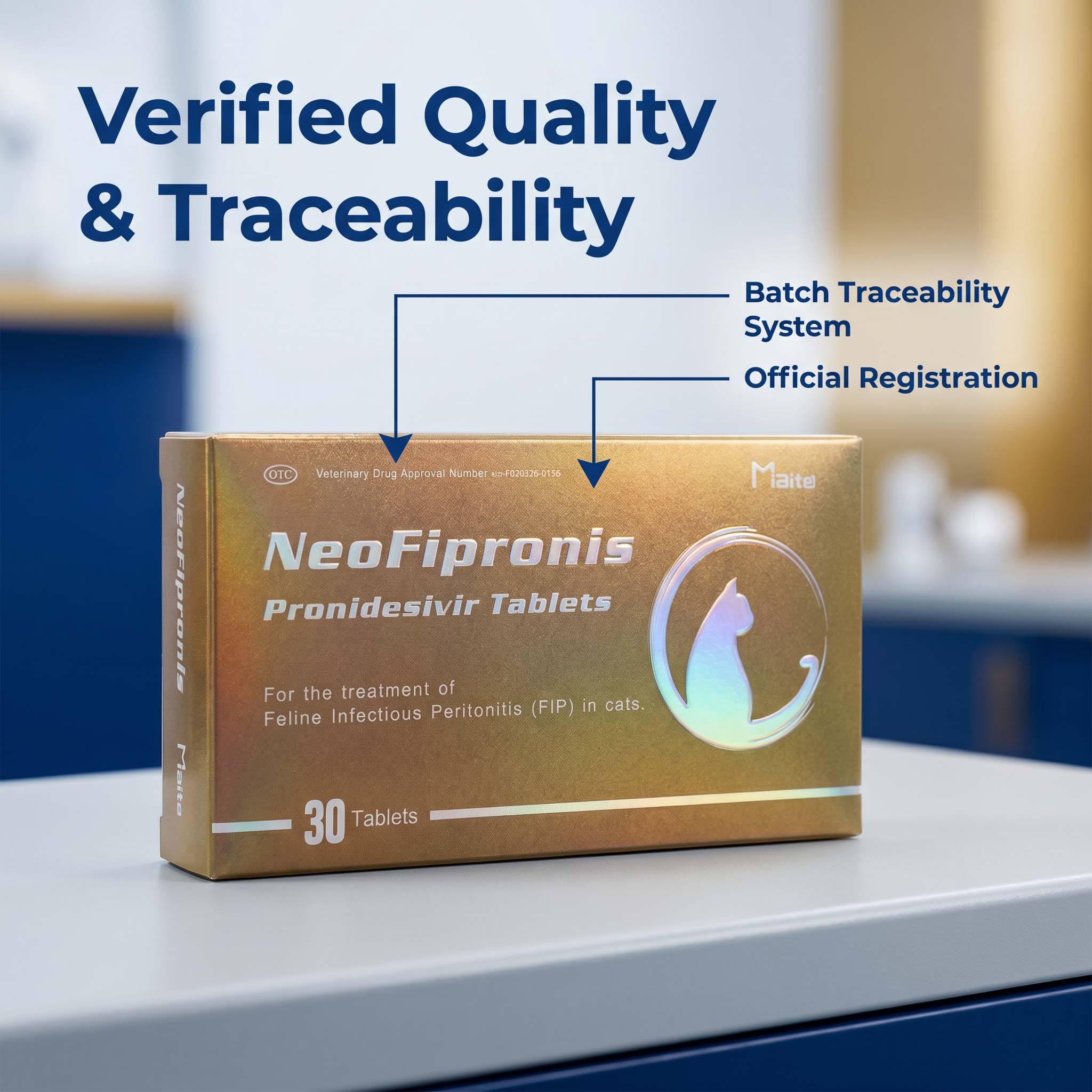
The New Approval: Miaite NeoFipronis (Pronidesivir)
In March 2026, the Lao Ministry of Agriculture and Forestry (MAF) officially approved Miaite NeoFipronis (Pronidesivir), marking a significant milestone as the world's first orally administered treatment for FIP with official drug registration. This groundbreaking approval underscores the drug’s safety, efficacy, and convenience.
Key features of Miaite NeoFipronis include:
Suitable for symptoms caused by FIP, such as loss of appetite, lethargy, fever, ascites, pleural effusion, lymphadenopathy, inflammatory granulomas, nerve damage, and uveitis.
Excellent therapeutic effects on FIP.
Safe, non-invasive oral administration.
Rapid absorption and fast-acting effects.
Well-tolerated with minimal side effects.
The Treatment Protocol for FIP Using GS-441524
1. Diagnosis Confirmation
Accurate diagnosis is vital before initiating antiviral therapy. Methods include biochemical tests, imaging, and detecting FIP-specific antibodies or RNA via PCR. The presence of characteristic clinical signs and laboratory findings such as high globulin levels and hyperbilirubinemia support diagnosis.
2. Dosage and Administration
Initial Phase:
Administer GS-441524 subcutaneously or orally, based on the approved formulation.
Miaite NeoFipronis, the suggested starting dose is generally 15 mg/kg once daily, administered orally.
Maintenance and Monitoring:
Continue therapy for at least 12-16 weeks.
Periodically monitor clinical signs, blood parameters, and viral load.
Adjust dosage if necessary under veterinary supervision.
3. Transition to Oral Treatment
The approval of Miaite NeoFipronis simplifies long-term care, allowing owners to administer treatment at home, reducing stress and improving compliance.
4. Managing Side Effects and Risks
Though generally well-tolerated, some cats may experience mild side effects such as transient lethargy or gastrointestinal upset. Veterinary oversight is crucial to detect and manage adverse reactions promptly.
Clinical Outcomes and Efficacy
Most treated cats show significant clinical improvements—reduction in fever, resolution of ascites and pleural effusion, improved appetite, and normalization of laboratory abnormalities. In many cases, cats rebound from stages of severe illness, with some achieving full remission.
Recent studies and field reports confirm that early intervention with GS-441524, especially with the newly approved NeoFipronis, greatly enhances survival chances.
Practical Tips for Owners and Veterinarians
Early Intervention: Initiate treatment as soon as FIP is diagnosed.
Consistent Medication: Adherence to dosing schedules ensures optimal results.
Regular Monitoring: Blood work and clinical assessments every 2-4 weeks help track progress.
Supportive Care: Adequate nutrition, hydration, and comfort are essential components of recovery.
Safety First: Always follow veterinary guidance, particularly when using new medications like Miaite NeoFipronis.
The Future of FIP Treatment
The approval of Miaite NeoFipronis signifies a new era in feline medicine. Ongoing research aims to refine dosing protocols, expand accessibility, and explore combination therapies for resistant cases.
Advancements like oral formulations improve quality of life for affected cats and their owners, making FIP a manageable disease rather than a death sentence.
Conclusion
The treatment of FIP with GS-441524 is now more effective and accessible than ever, especially with the advent of Miaite NeoFipronis, the world’s first officially approved oral medication. Veterinary professionals and pet owners should stay informed about dosing protocols, monitor treatment progress diligently, and maintain close communication to ensure the best outcomes for cats battling FIP.
References
Feline Infectious Peritonitis: Advances in Treatment and Management
Clinical Efficacy of GS-441524 in FIP
Regulatory Approval of Miaite NeoFipronis (Pronidesivir) for FIP
Guidelines for FIP Diagnosis and Treatment Protocols