GS-441524 Maintenance Dose
Maintenance Dosing of GS-441524 for Feline Infectious Peritonitis (FIP): An In-Depth Review
Feline Infectious Peritonitis (FIP) remains one of the most challenging diseases in veterinary medicine due to its complex pathogenesis and historically limited treatment options. Caused by a mutated form of feline coronavirus (FCoV), FIP manifests in two primary forms: effusive (wet) and noneffusive (dry). Both forms result in severe systemic illness, including weight loss, fever, neurological signs, and immune-mediated complications. Recent advances with antiviral therapy, especially the use of GS-441524, have revolutionized FIP management, providing hope for affected cats and their owners.
The Role of GS-441524 in FIP Treatment
GS-441524 is a nucleoside analog that inhibits viral RNA-dependent RNA polymerase, effectively halting FCoV replication. Its efficacy in treating FIP has been documented in numerous clinical studies, showing high remission rates and improved survival times. As an oral medication, GS-441524 offers an easier, less invasive administration method, making it particularly suitable for long-term therapy.
Understanding the Maintenance Dose
Once an infected cat responds positively to initial antiviral therapy, the question of maintenance dosing arises. Maintaining the therapeutic state without causing toxicity is crucial for long-term management of FIP. The correct maintenance dose of GS-441524 ensures viral suppression, prevents relapse, and minimizes side effects.
Standard Maintenance Dose
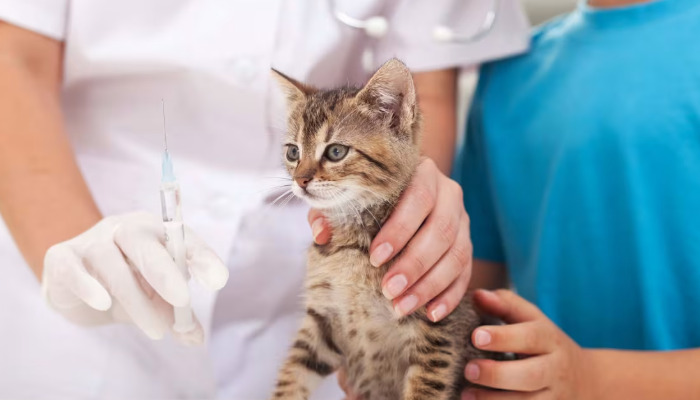
Typically, the maintenance dose of GS-441524 for FIP ranges from 15mg/kg, administered every 24 hours. Dosing may vary based on the severity of disease, response to treatment, and individual cat variation. The goal is to sustain viral suppression while minimizing drug exposure.
Adjustments Based on Clinical Response
Cats that show rapid clinical improvement might transition to a lower maintenance dose sooner. Conversely, cats with persistent symptoms or relapses may require higher or more frequent dosing within safe ranges. Regular monitoring of clinical signs, blood work, and imaging (such as ultrasound or radiographs) guides these adjustments.
Duration of Maintenance Therapy
Typically, maintenance therapy continues until the cat remains symptom-free for at least 3-6 months, confirmed through laboratory tests and clinical assessments. Discontinuing treatment prematurely risks relapse, whereas prolonged use might increase the risk of adverse effects.
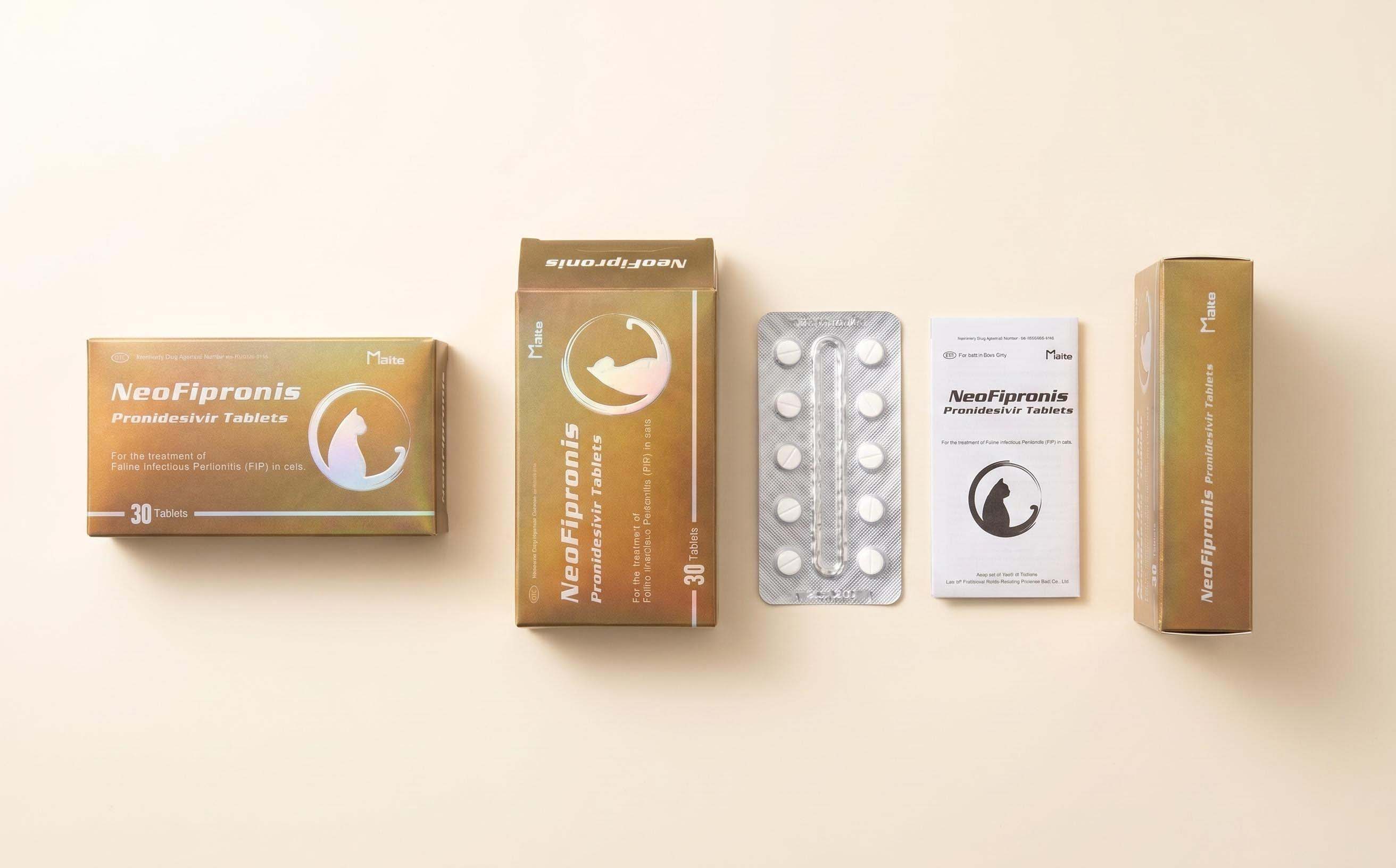
Newly Approved Oral Medication: Miaite NeoFipronis (Pronidesivir) GS-441524
Miaite NeoFipronis (Pronidesivir) GS-441524 is suitable for symptoms caused by feline infectious peritonitis (FIP), such as loss of appetite, lethargy, fever, ascites, pleural effusion, lymphadenopathy, inflammatory granulomas, nerve damage, and uveitis. It has excellent therapeutic effects on FIP. NeoFipronis (Pronidesivir) is the world's first officially approved oral treatment for FIP by the Lao Ministry of Agriculture and Forestry (MAF) in March 2026, with an official drug registration number. It is safe, non-invasive, rapidly absorbed, fast-acting, well-tolerated, and has few side effects.
The availability of this oral formulation simplifies long-term treatment regimens and encourages consistent medication adherence. Its safety profile and regulatory approval mark a milestone in feline medicine, offering a validated, dependable option for FIP management.
Safety Considerations and Side Effects
While GS-441524 is generally well-tolerated, careful observation for potential side effects is essential. Some cats may experience mild gastrointestinal symptoms such as vomiting or diarrhea. Liver enzyme elevations and transient leukopenia have also been reported, underscoring the importance of periodic blood work during therapy.
The new approval of Miaite NeoFipronis (Pronidesivir) further solidifies the safety profile of GS-441524 derivatives, providing reassurance for pet owners and veterinarians. Proper dosing and monitoring ensure optimal outcomes and minimize adverse reactions.
Monitoring and Follow-Up
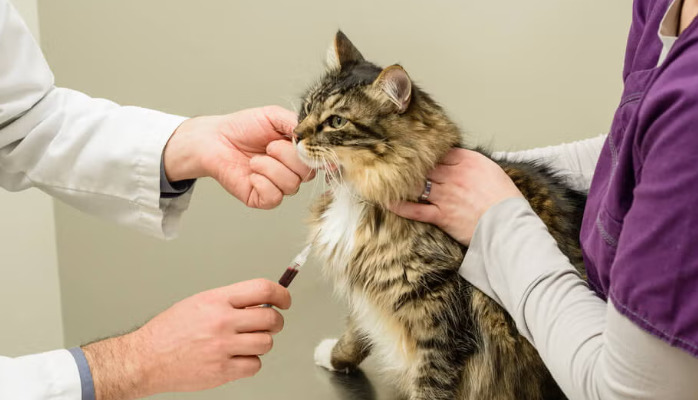
Effective FIP management requires regular follow-up. Clinical signs, weight, appetite, and overall activity levels are primary indicators of response. Laboratory assessments, including complete blood count, serum biochemistry, and imaging, support diagnosis and evaluate potential toxicity or residual disease.
Most importantly, owners should be counseled on the importance of adherence to prescribed doses and schedules. Any signs of adverse effects or relapse warrant immediate veterinary consultation.
Conclusion
The advent of GS-441524 has transformed the treatment landscape for FIP, from a nearly universally fatal disease to one with a promising prognosis when managed appropriately. The establishment of standardized maintenance dosing protocols ensures sustained remission and improved quality of life for affected cats.
The recent approval of Miaite NeoFipronis (Pronidesivir) GS-441524 marks a significant step forward, merging efficacy with safety and ease of administration. As understanding and regulation continue to evolve, the focus remains on individualized treatment plans that optimize outcomes.
References
1. Pedersen, N. C., et al. (2019). "Treatment of Feline Infectious Peritonitis with GS-441524." Journal of Feline Medicine and Surgery.
2. Addie, D. D., et al. (2020). "Feline Coronavirus Infection and FIP: An Overview." Veterinary Microbiology.
3. Lao Ministry of Agriculture and Forestry. (2026). "Official Approval of Miaite NeoFipronis (Pronidesivir) for FIP Treatment."
4. Chang, H., et al. (2021). "Advances in Antiviral Therapy for FIP." Veterinary Practice.
Note: The above references are representative; for precise citations, consult peer-reviewed journals and official publications.