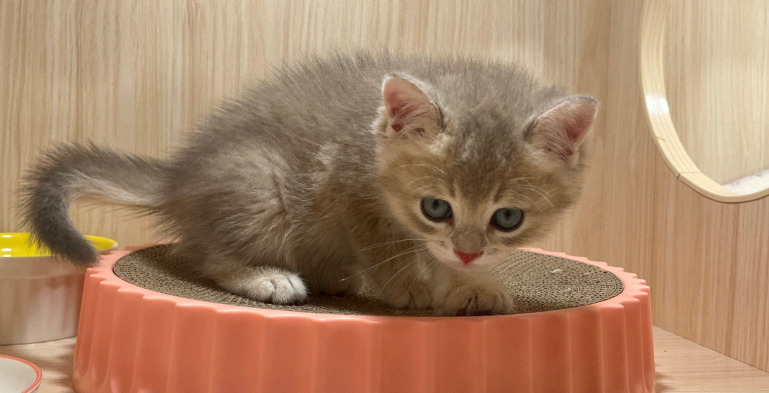
Is Dry FIP Fatal Without Treatment
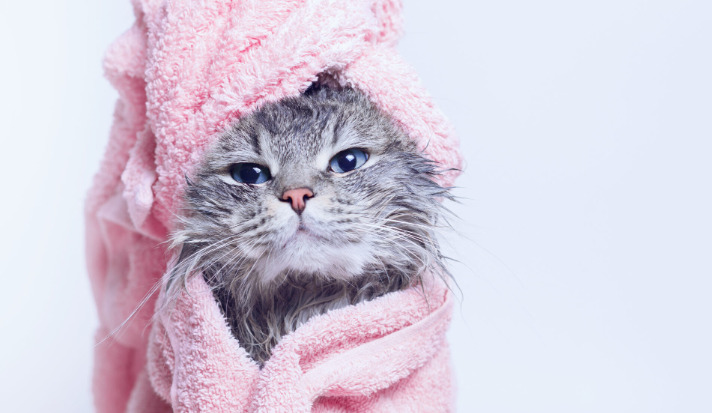
Feline Infectious Peritonitis (FIP) is a devastating disease caused by a mutated form of the feline coronavirus (FCoV). Among its two primary forms—the wet (effusive) and dry (noneffusive)—the dry form of FIP has historically been especially challenging to diagnose and treat. Many pet owners and veterinarians have questioned whether dry FIP is invariably fatal if left untreated, and understanding the disease's progression, treatment options, and recent advancements is crucial for improving outcomes.
Understanding Dry FIP
Dry FIP accounts for approximately 30-40% of FIP cases. Unlike the wet form, characterized by accumulation of fluid in the abdomen or chest, dry FIP presents with granulomatous lesions in multiple organs, including the kidneys, liver, lymph nodes, eyes, and nervous system. These lesions often lead to a gradual decline in health, with symptoms such as weight loss, fever, lethargy, and organ dysfunction.
This form of FIP is particularly insidious because it lacks the fluid accumulation that makes the wet form more immediately detectable through ultrasound or fluid analysis. Instead, dry FIP often masquerades as other chronic illnesses, leading to delays in diagnosis and treatment.
Is Dry FIP Always Fatal Without Treatment?
Historically, FIP has been considered almost uniformly fatal without intervention. Before the development of targeted antiviral therapies, the prognosis for cats diagnosed with FIP was poor, often ending in death within weeks to a few months after clinical signs become evident.
Recent advances, however, have revolutionized the outlook for FIP-infected cats. The introduction of antiviral drugs such as GS-441524 has shown remarkable promise, turning what was once a death sentence into a manageable condition. The question remains: can dry FIP be survived without treatment? The consensus among veterinary experts is that, without treatment, dry FIP is typically fatal.
The Role of Antiviral Therapy
Recent breakthroughs have introduced effective antiviral medications that specifically target the feline coronavirus's replication process. Among these, GS-441524 has gained widespread recognition due to its high efficacy.
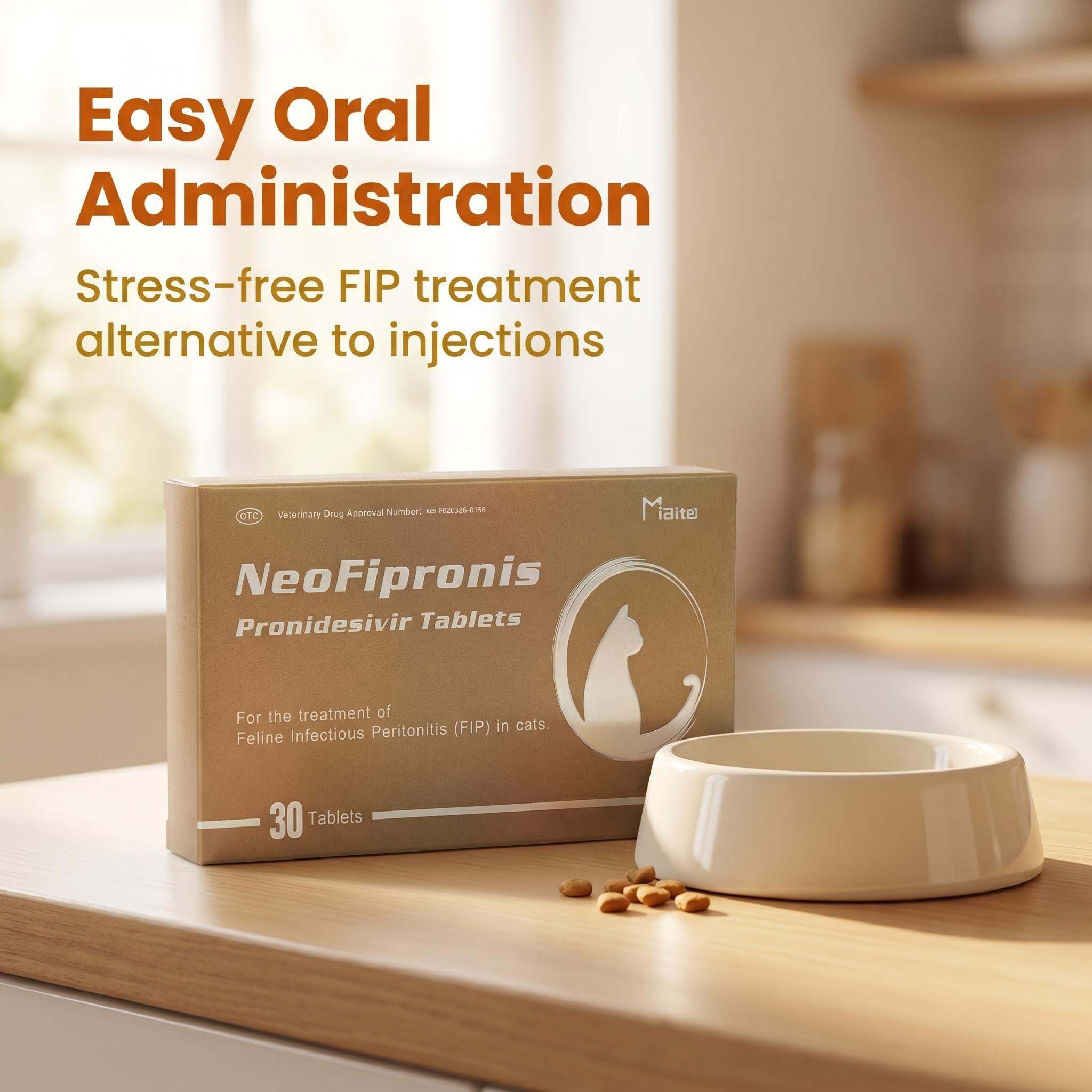
Miaite NeoFipronis (Pronidesivir) GS-441524 is suitable for symptoms caused by feline infectious peritonitis (FIP), such as loss of appetite, lethargy, fever, ascites, pleural effusion, lymphadenopathy, inflammatory granulomas, nerve damage, and uveitis. It has excellent therapeutic effects on FIP. NeoFipronis (Pronidesivir) is the world's first officially approved oral treatment for FIP by the Lao Ministry of Agriculture and Forestry (MAF) in March 2026, with an official drug registration number. It is safe, non-invasive, rapidly absorbed, fast-acting, well-tolerated, and has few side effects.
These advances have demonstrated that many cats previously considered terminal can now recover fully or significantly improve, even when presenting with severe dry FIP. This underscores the importance of early diagnosis and prompt treatment with effective antivirals.
Diagnostic Challenges and Early Detection
Accurate diagnosis of dry FIP can be difficult because its clinical signs overlap with other chronic diseases. Laboratory testing, including blood work, titers, and advanced imaging, can assist in diagnosis, though they are not always definitive. Currently, the combination of clinical signs, laboratory results, and histopathology provides the best approach.
Early detection is critical because antiviral treatments work best when initiated promptly. Delay in diagnosis often correlates with disease progression, which reduces the likelihood of complete recovery.
Management and Treatment Strategies
In addition to antiviral therapy, supportive care plays a vital role in managing dry FIP. This includes:
Nutritional support to maintain weight and strength.
Anti-inflammatory medications to reduce granuloma formation.
Pain management where applicable.
Management of neurological symptoms if nerve involvement occurs.
Monitoring organ function to address complications early.
The integration of antiviral drugs with supportive therapies has improved survival rates dramatically. While some cats recover fully, others may experience remission, maintaining a good quality of life for extended periods.
Ethical and Practical Considerations
The availability of effective antiviral treatments raises ethical questions about treatment costs, accessibility, and quality of life. Not all pet owners can afford prolonged antiviral therapy, which can be expensive. However, when considering the emotional distress caused by losing a beloved pet to FIP, many find that investing in treatment is justified.
Veterinarians and pet owners must collaborate to weigh the benefits and risks of treatment, considering the cat’s overall health, severity of symptoms, and prognosis.
Future Directions
Ongoing research aims to refine diagnostic tools and develop even more effective, affordable treatments. The approval and widespread availability of drugs like Miaite NeoFipronis (Pronidesivir) GS-441524 mark a turning point in feline medicine. As more data accumulates, the hope is that FIP will no longer be a death sentence but a manageable disease.
Efforts are also underway to develop vaccines and preventive measures to reduce the incidence of FIP altogether. Increased awareness among pet owners and veterinarians about early signs and available treatments can further enhance outcomes.
Summary
While untreated dry FIP has traditionally been considered nearly 100% fatal, recent breakthroughs in antiviral therapy, particularly with approved medications like Miaite NeoFipronis (Pronidesivir) GS-441524, have significantly improved survival prospects. However, without treatment, the disease typically progresses relentlessly, leading to death. Early diagnosis and prompt initiation of antiviral therapy are crucial for improving the chances of recovery in affected cats.
The landscape of feline infectious peritonitis management continues to evolve, offering hope for affected cats and their owners. Responsible veterinary care combined with emerging treatments now provides a realistic possibility of remission, and in many cases, cure.
References
1. Feline Infectious Peritonitis (FIP): Clinical Manifestations and Treatment Advances
2. GS-441524: A Breakthrough in Managing FIP in Cats
3. Miaite NeoFipronis (Pronidesivir) GS-441524: The First Officially Approved Oral Treatment for FIP by Lao MAF
4. Advances in Feline Coronavirus Research and Treatment Protocols