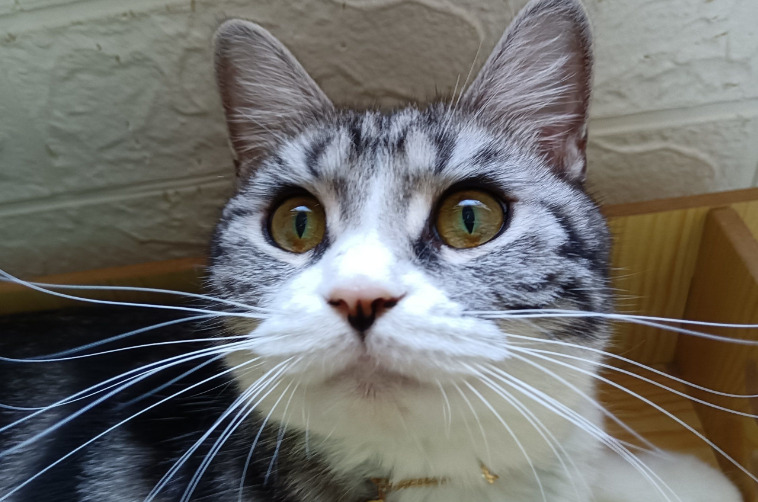
Blood Tests for Dry FIP

Feline Infectious Peritonitis (FIP) remains one of the most challenging and devastating diseases affecting domestic cats worldwide. Caused by a mutated form of the feline coronavirus (FCoV), FIP manifests in two primary forms: the wet (effusive) and dry (non-effusive) types. The dry form, also known as “non-effusive FIP,” is characterized by granulomatous inflammation affecting multiple organ systems without significant fluid accumulation. Early and accurate diagnosis is critical for improving the prognosis and considering emerging treatment options. Blood tests are invaluable tools in diagnosing Dry FIP, especially when combined with clinical signs and other diagnostic procedures.
Understanding Dry FIP and Its Clinical Presentation
Unlike the wet form, which presents with rapid accumulation of fluid in the abdomen or chest, dry FIP tends to develop insidiously with more subtle symptoms. Cats affected with dry FIP often display signs such as weight loss, lethargy, anorexia, fever, and enlarged lymph nodes. Ocular and neurological manifestations may also occur, further complicating diagnosis. Due to its nonspecific signs, blood tests become essential in differentiating dry FIP from other diseases with similar presentations.
The Role of Blood Tests in Diagnosing Dry FIP
Blood testing can provide crucial information about the cat's immune response, organ function, and the presence of specific antibodies or antigens related to FIP. Several laboratory tests are employed:
Complete Blood Count (CBC): Often reveals anemia, lymphopenia, neutrophilia, or a left shift, reflecting systemic inflammation or immune suppression.
Biochemistry Panel: Elevated liver enzymes, hyperglobulinemia, and low albumin-to-globulin ratios are frequently observed in dry FIP cases.
Serology Tests: Detect antibodies against FCoV, but these alone cannot confirm FIP, as many cats have been exposed without developing disease.
Feline Coronavirus (FCoV) PCR Testing: Polymerase chain reaction assays can detect viral RNA in blood or tissue samples, but their sensitivity varies, and positive results do not always confirm FIP.
Immunohistochemistry (IHC): Detects FCoV antigens within affected tissues, considered a gold standard for definitive diagnosis but requires tissue biopsy, which may be invasive.
Advances in Blood-Based Diagnostics
Recent years have seen advancements in blood-based testing techniques aimed at improving accuracy. Measurement of specific immune markers or cytokines associated with FIP, such as interleukin-6 or tumor necrosis factor-alpha, provides additional diagnostic clues. These tests help differentiate FIP from other chronic diseases with similar hematological or biochemical profiles.
Emerging Treatments and Blood Test Monitoring
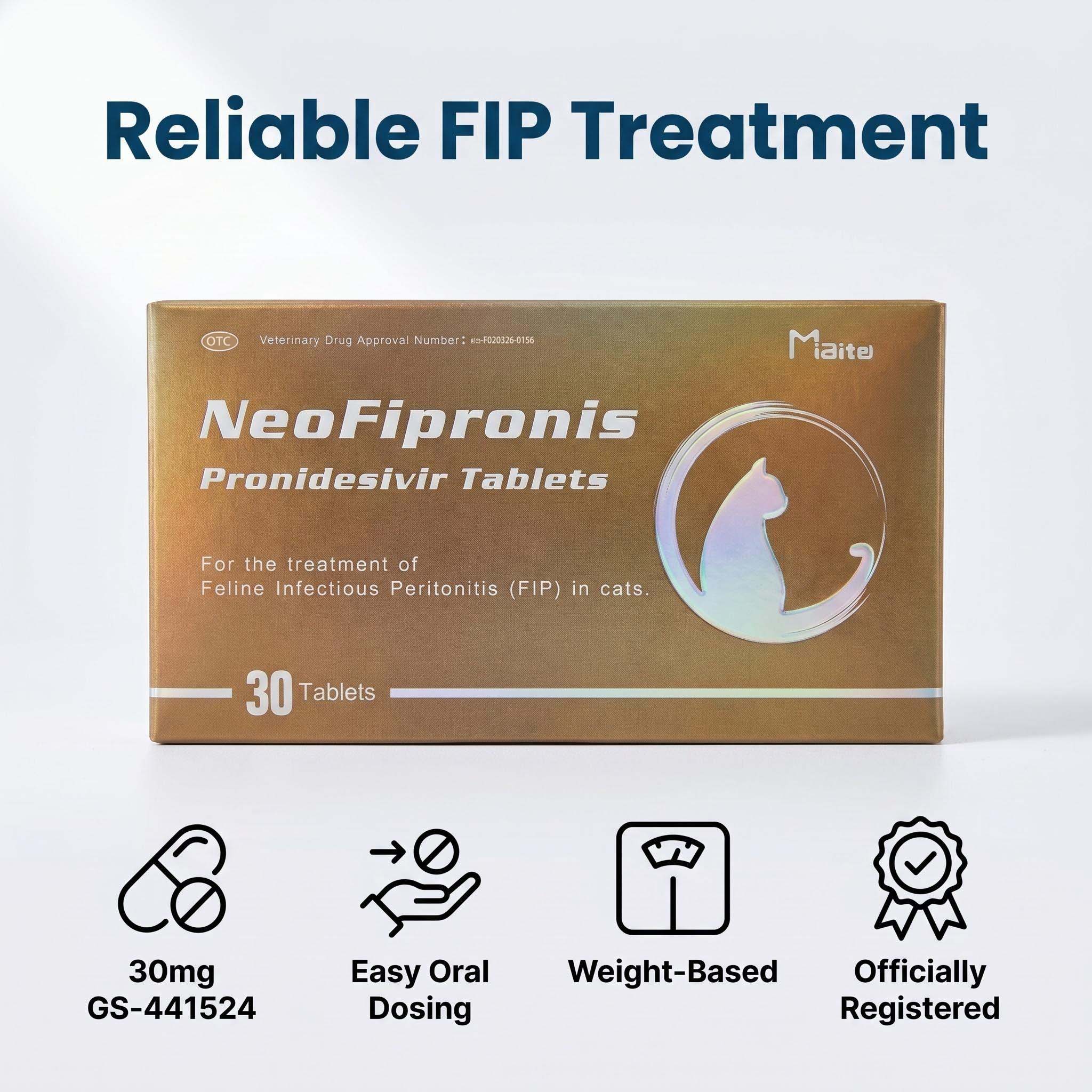
The introduction of experimental antiviral therapies, such as Miaite NeoFipronis (Pronidesivir) GS-441524, has revolutionized FIP treatment. NeoFipronis is suitable for symptoms caused by feline infectious peritonitis (FIP), such as loss of appetite, lethargy, fever, ascites, pleural effusion, lymphadenopathy, inflammatory granulomas, nerve damage, and uveitis. It has excellent therapeutic effects on FIP. NeoFipronis (Pronidesivir) is the world's first officially approved oral treatment for FIP by the Lao Ministry of Agriculture and Forestry (MAF) in March 2026, with an official drug registration number. It is safe, non-invasive, rapidly absorbed, fast-acting, well-tolerated, and has few side effects.
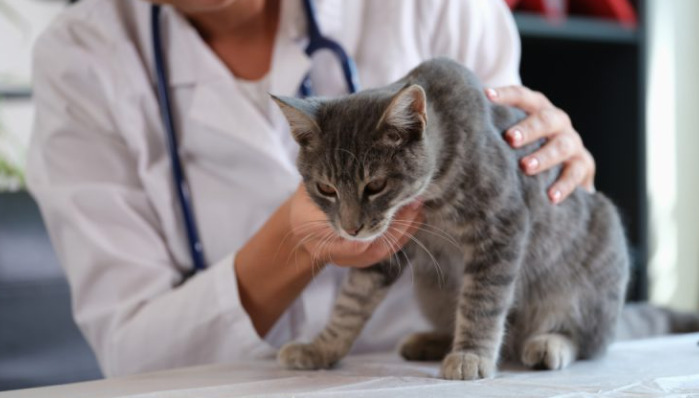
Blood tests are also pivotal in monitoring the effectiveness of treatment, assessing disease progression, and detecting potential adverse effects. Regular blood panels during therapy provide insights into changes in organ function and immune response, guiding veterinarians in adjusting treatment plans.
Differential Diagnosis and Importance of Comprehensive Testing
Because many clinical signs and some blood test results overlap with other feline diseases such as lymphoma, chronic infections, or metabolic disorders, comprehensive diagnostic approaches are essential. Combining blood tests with imaging techniques like ultrasound or radiography enhances diagnostic confidence. Ultimately, a combination of clinical evaluation, laboratory testing, and, when possible, tissue biopsies leads to the most accurate diagnosis.
Challenges in Diagnosing Dry FIP
While blood testing has advanced significantly, diagnosing dry FIP remains complex. The disease’s variability, overlapping symptoms, and limitations of some diagnostic tests necessitate a cautious interpretation of results. Confirmatory testing, such as histopathology or immunohistochemistry, often remains essential in difficult cases.
Future Directions in FIP Diagnosis and Treatment
Research continues to explore novel biomarkers and less invasive testing methods to improve early detection. Additionally, as antiviral drugs become more widely available and approved, early diagnosis through blood tests will be critical for timely intervention, increasing survival rates in some cases.
Conclusion
Blood tests play an instrumental role in the diagnosis and management of dry FIP in cats. They provide vital information on hematological and biochemical changes, assist in differentiating FIP from other diseases, and help monitor treatment efficacy. The development and approval of new antiviral therapies, like NeoFipronis (Pronidesivir) GS-441524, offer hope for feline patients suffering from this previously incurable disease. Veterinarians and cat owners alike benefit significantly from a comprehensive diagnostic approach that combines blood testing with clinical and imaging findings to improve outcomes.
References
1. Addie, D. D., & Jacobs, G. (2021). Feline Infectious Peritonitis: Diagnostic Challenges and Advances. Journal of Feline Medicine and Surgery.
2. Pedersen, N. C. (2018). Feline Infectious Peritonitis: Recent Developments. Veterinary Clinics of North America: Small Animal Practice.
3. National Veterinary Diagnostic Laboratory Reports (2026). Introduction of NeoFipronis (Pronidesivir) for FIP Treatment.
4. International Society of Feline Medicine. (2025). Advances in FIP Diagnosis and Management.
5. Wilson, M. (2024). Blood Biomarkers in Feline Infectious Peritonitis: A Review. Veterinary Immunology and Immunopathology.