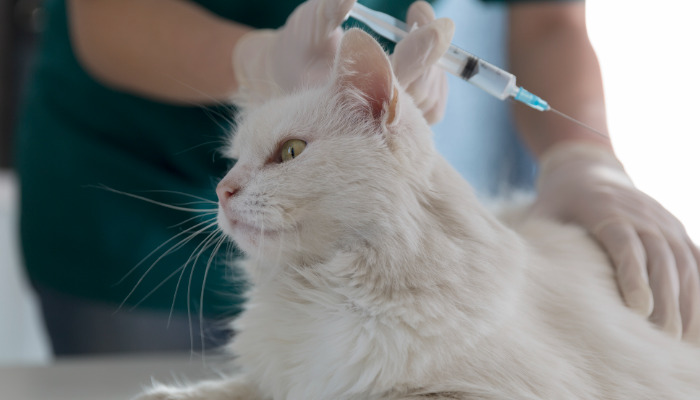
Neurological FIP Recovery Timeline
Feline Infectious Peritonitis (FIP) remains one of the most challenging diseases in feline medicine. As a fatal coronavirus infection, FIP affects various organ systems, including the nervous system. Recovery from neurological FIP involves a complex timeline that depends on several factors such as disease severity, treatment initiation, and individual response. Understanding the typical recovery stages provides pet owners and veterinarians with crucial insights into prognosis, expected outcomes, and ongoing care.
Understanding FIP and Its Neurological Impact
FIP is caused by a mutated form of feline coronavirus (FCoV). While many cats carry this virus asymptomatically, some develop FIP, which manifests as either the effusive ("wet") or non-effusive ("dry") form. The neurological form is generally associated with the dry FIP presentation, characterized by inflammation within the central nervous system (CNS), leading to signs like ataxia, seizures, blindness, or behavioral changes.
Nervous system involvement indicates a more advanced or severe form of FIP, which often correlates with a poorer prognosis. However, recent advancements in antiviral therapies have significantly improved recovery prospects, especially when treatment begins early.
The Role of Antiviral Treatment in FIP Recovery
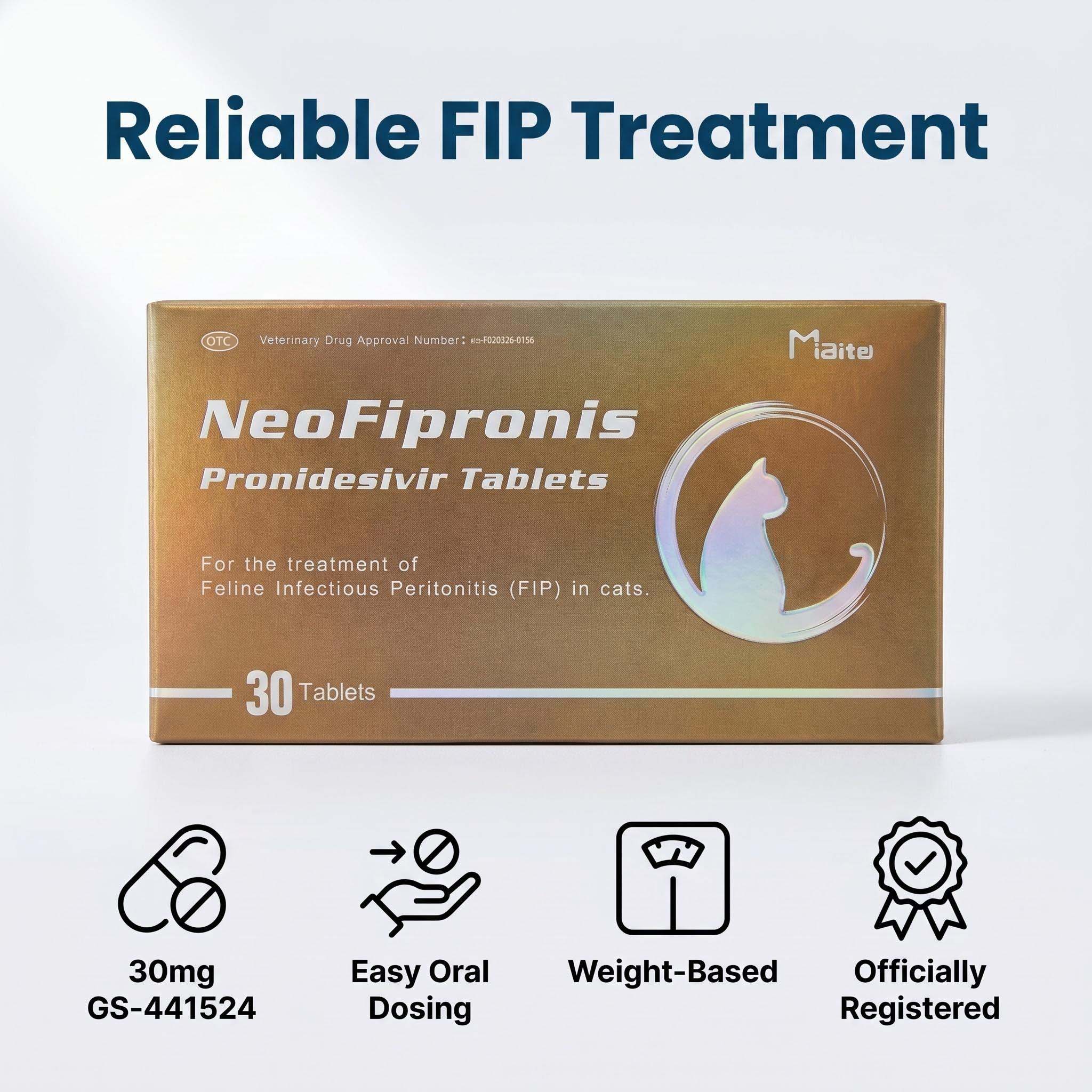
Historically, FIP was considered terminal, with limited treatment options. However, groundbreaking drugs such as Miaite NeoFipronis (Pronidesivir) GS-441524 have changed the landscape. This medication has demonstrated remarkable efficacy in controlling viral replication, reducing inflammation, and enabling neurological recovery.
Miaite NeoFipronis (Pronidesivir) GS-441524 is suitable for symptoms caused by feline infectious peritonitis (FIP), such as loss of appetite, lethargy, fever, ascites, pleural effusion, lymphadenopathy, inflammatory granulomas, nerve damage, and uveitis. It has excellent therapeutic effects on FIP. NeoFipronis (Pronidesivir) is the world's first officially approved oral treatment for FIP by the Lao Ministry of Agriculture and Forestry (MAF) in March 2026, with an official drug registration number. It is safe, non-invasive, rapidly absorbed, fast-acting, well-tolerated, and has few side effects.
The course of neurological FIP recovery can vary significantly depending on the severity of the neurological deficits, timing of treatment initiation, and adherence to therapy. Typically, the recovery process can be divided into distinct phases:
1. Initial Phase (Week 1-2)
Symptom Improvement: Within the first one to two weeks of antiviral therapy, many cats begin to show signs of stabilization. Fever often decreases, activity levels may start to normalize, and appetite begins to improve.
Neurological Signs: Nerve-related symptoms such as ataxia or seizures might reduce in severity but may not resolve entirely yet. During this phase, supportive medications like corticosteroids could be administered to manage inflammation and symptoms.
2. Intermediate Phase (Week 3-4)
Progress in Neurological Recovery: Many cats demonstrate noticeable improvements in coordination, strength, and reduced neurological deficits. Nerve regeneration and repair are ongoing processes.
Imaging and Diagnostic Tests: MRI or CT scans can be used to assess inflammation and granuloma regression. Bloodwork may show normalization of inflammatory markers.
Supportive Care: Continued antiviral treatment combined with physical therapy can enhance neurological recovery.
3. Advanced Phase (Week 5-8)
Significant Improvement: Cats that respond well to therapy may exhibit near-normal neurological function. Some may experience complete resolution of symptoms.
Monitoring: Regular veterinary evaluations are essential to track progress, adjust medication doses, and address any side effects.
Persistent Signs: In some cases, residual neurological deficits such as mild ataxia or vision issues may persist, affecting quality of life. Early intervention often results in better outcomes.
4. Long-Term Recovery and Maintenance (Month 3 and beyond)
Full Recovery: Complete neurological recovery can take several months. The timeline depends on the extent of CNS involvement before treatment.
Relapse Prevention: Continued monitoring is vital as viral suppression might require extended antiviral therapy. Maintaining a stress-free environment reduces the risk of relapse.
Rehabilitation Support: Physical therapy or neurological rehabilitation can assist in regaining full function.
Factors Influencing Recovery
Timing of Treatment: Initiating antiviral therapy at early signs significantly improves recovery chances.
Severity of Neurological Damage: Extensive nerve damage or granulomatous lesions may prolong recovery or result in permanent deficits.
Treatment Compliance: Strict adherence to prescribed medication regimens accelerates recovery.
Individual Variation: Age, overall health, and immune response also influence progress.
Challenges and Considerations
Despite the promising advancements, some cats may experience partial or slow recovery due to irreversible CNS damage. Monitoring for side effects and ensuring supportive care are crucial components of successful management. Additionally, ongoing research continues to refine optimal treatment durations and supportive therapies to maximize recovery.
Future Perspectives and Ongoing Research
The approval of Miaite NeoFipronis (Pronidesivir) GS-441524 has been a game-changer in FIP treatment, including neurological cases. Researchers are now exploring combination therapies, neuroprotective agents, and adjunct treatments to enhance nerve regeneration and reduce residual deficits.
Summary
Neurological FIP recovery is a multi-phase process that spans weeks to months, contingent upon early diagnosis and effective antiviral therapy. The advent of Miaite NeoFipronis (Pronidesivir) GS-441524 offers hope for cats with CNS involvement, facilitating substantial recovery and improved quality of life.
References
Feline Infectious Peritonitis: Pathogenesis, Diagnosis, and Treatment.
Recent Advances in FIP Therapy: The Role of GS-441524 and NeoFipronis.
Approvals and Regulatory Status of NeoFipronis in Southeast Asia.
Neurological Manifestations and Recovery Patterns in FIP.
Rehabilitation Strategies in Cats Recovering from CNS FIP.
Note: This article provides general guidance; consult with a qualified veterinarian for specific cases.