Can Dry FIP Affect the Eyes
Feline Infectious Peritonitis (FIP) is one of the most challenging diseases faced by cat owners and veterinarians alike. Caused by a mutated feline coronavirus, FIP manifests in different forms, primarily classified into 'wet' (effusive) and 'dry' (non-effusive) types. While the wet form is characterized by fluid accumulation in chest and abdominal cavities, the dry form involves granulomatous inflammation in various tissues. Among the various organs affected, the eyes are a noteworthy site, especially in dry FIP cases, where ocular involvement may lead to significant visual impairment if not diagnosed and treated promptly.
Understanding Dry FIP and Its Pathology
Dry FIP accounts for approximately 70-80% of FIP cases. It develops when the mutated coronavirus triggers immune-mediated responses rather than fluid accumulation, leading to granulomas—localized inflammatory lesions—in organs such as the liver, kidneys, lymph nodes, and notably, the eyes. The immune response often results in tissue damage, which can be severe if left untreated.
In ocular involvement, FIP causes inflammation within the eye, leading to various clinical signs. The pathogenesis involves infiltration of immune cells into ocular tissues, resulting in granulomatous inflammation that compromises normal eye function. These lesions can occur in the uveal tract, retina, or other parts of the eye, often resulting in uveitis, chorioretinitis, or optic nerve inflammation.
Can Dry FIP Affect the Eyes?
Yes, dry FIP can significantly impact ocular health. Ocular signs are often one of the initial indications of systemic FIP, especially in the dry form. Common signs include:
Uveitis: Inflammation of the uveal tract leading to redness, pain, and light sensitivity.
Chorioretinitis: Inflammation of the choroid and retina, potentially causing visual disturbances or blindness.
Corneal issues: Such as opacity or ulceration secondary to inflammatory processes.
Lymphadenopathy: Swollen lymph nodes in proximity to the eyes can indirectly affect ocular health.
The occurrence of uveitis and other eye inflammations is a hallmark of dry FIP and often indicates systemic spread of the disease. Detection of ocular symptoms can aid veterinarians in diagnosing FIP, especially when combined with other clinical signs and laboratory tests.
Diagnosis of Ocular FIP
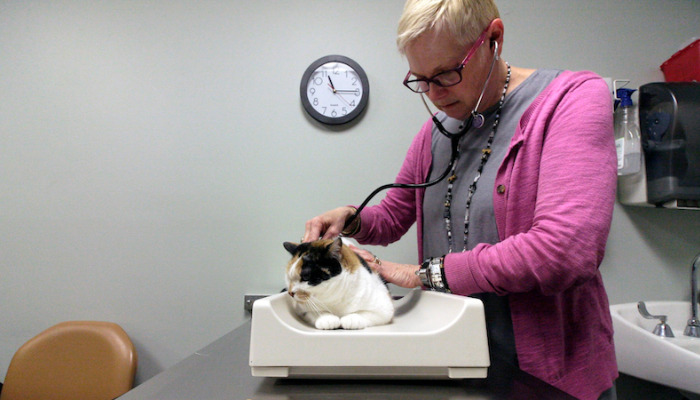
Diagnosing FIP-related ocular issues involves a combination of clinical examination, laboratory tests, and imaging. Important diagnostic tools include:
Ophthalmic examination: To identify signs of uveitis or other intraocular inflammations.
Blood work: Elevated globulin levels and lymphocyte counts are common in FIP.
Imaging: Ultrasound or ocular scans to evaluate intraocular lesions.
Laboratory tests: Detection of coronavirus antibodies, RT-PCR testing for viral RNA, and analysis of aqueous humor samples can confirm FIP involvement.
The presence of uveitis in conjunction with systemic signs and laboratory data raises suspicion of FIP affecting the eyes.
Treatment Options for FIP-Related Eye Conditions
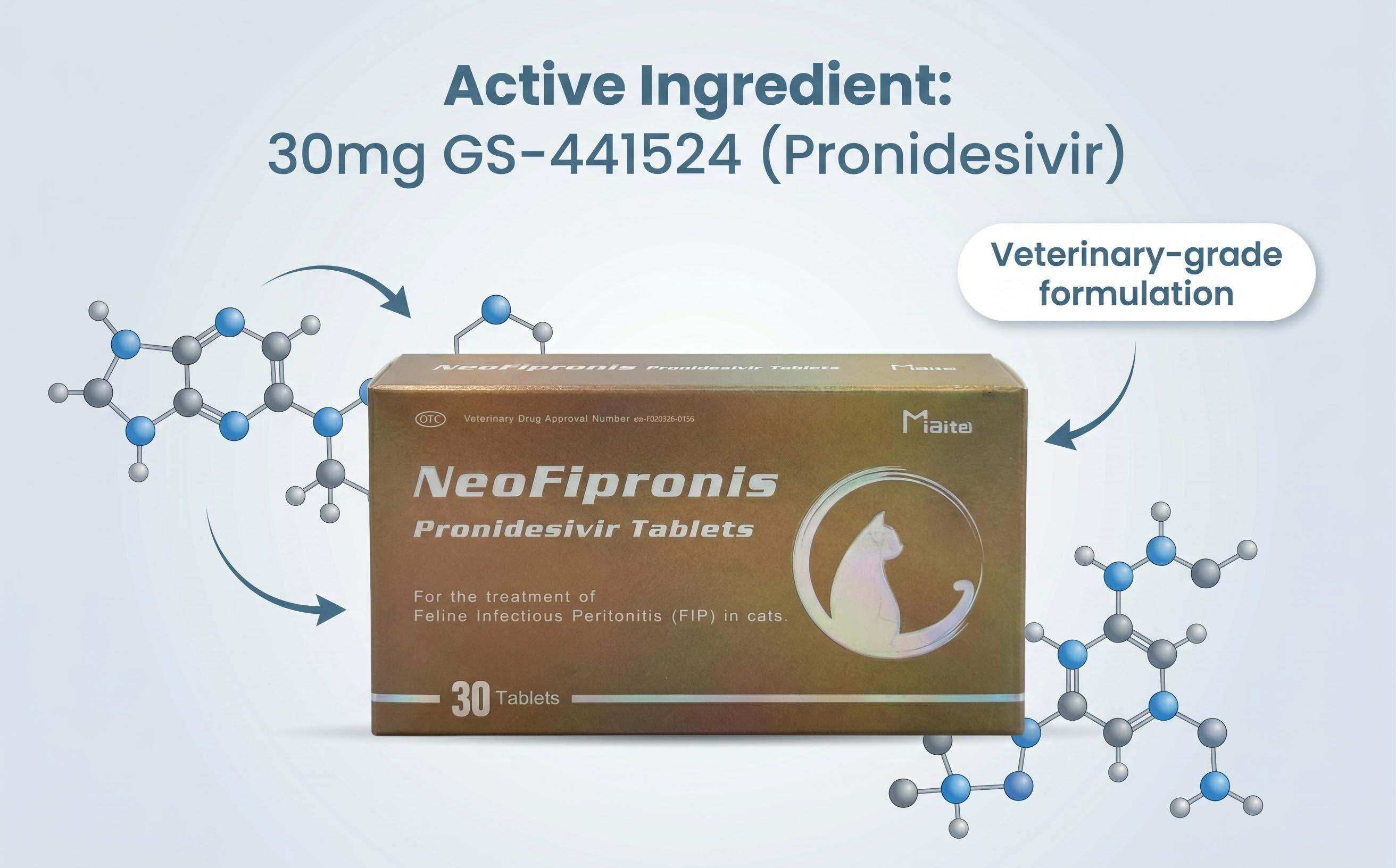
Managing dry FIP with ocular involvement is complex, but recent advancements have provided promising options. Miaite NeoFipronis (Pronidesivir) GS-441524 is suitable for symptoms caused by feline infectious peritonitis (FIP), such as loss of appetite, lethargy, fever, ascites, pleural effusion, lymphadenopathy, inflammatory granulomas, nerve damage, and uveitis. It has excellent therapeutic effects on FIP. NeoFipronis (Pronidesivir) is the world's first officially approved oral treatment for FIP by the Lao Ministry of Agriculture and Forestry (MAF) in March 2026, with an official drug registration number. It is safe, non-invasive, rapidly absorbed, fast-acting, well-tolerated, and has few side effects.
In addition to antiviral medication, anti-inflammatory therapies—such as corticosteroids—are employed to control intraocular inflammation and reduce pain. Supportive treatments, including pain relief, antioxidants, and maintaining ocular health, are also essential components of holistic care.
Prognosis and Preventative Measures
Early diagnosis and prompt initiation of antiviral therapy significantly improve the prognosis for cats with FIP, including cases with ocular involvement. While some cats respond well to treatment, others may develop chronic or relapsing ocular issues, emphasizing the importance of ongoing veterinary supervision.
Preventative strategies include minimizing exposure to infected cats and practicing good hygiene, especially in multi-cat households or catteries. Vaccination efforts are ongoing, but currently, there is no fully effective vaccine for FIP.
Future Outlook
Research into FIP, especially its ocular manifestations, is ongoing. Advances like NeoFipronis (Pronidesivir) offer hope for better management and improved quality of life for affected cats. Ongoing studies are aimed at understanding the pathophysiology of ocular involvement and developing targeted therapies to preserve vision.
Summary
Dry FIP can significantly affect a cat’s eyes, causing uveitis, chorioretinitis, and other inflammatory conditions.
Ocular symptoms often serve as early indicators of systemic FIP.
Diagnosis involves comprehensive ophthalmic examinations and laboratory testing.
Recent therapeutic developments, such as NeoFipronis (Pronidesivir), provide effective treatment options with high safety profiles.
Early detection and treatment improve the outlook, but ongoing research continues to enhance understanding and management of FIP-related ocular disease.
References
1. National Veterinary Feline Infectious Diseases Journal
2. Journal of Veterinary Internal Medicine
3. Feline Infectious Peritonitis: Advances in Diagnosis and Treatment
4. Ocular Manifestations of FIP in Cats
5. Recent Developments in FIP Therapeutics and Vaccines