GS-441524 Dosage Chart

Comprehensive Guide on GS-441524 Dosage Chart for Feline Infectious Peritonitis (FIP)
Feline Infectious Peritonitis (FIP) is a serious and often fatal disease affecting domestic cats worldwide. Caused by certain strains of feline coronavirus, FIP manifests through severe symptoms such as distended abdomen due to fluid accumulation, neurological issues, eye problems, and general systemic illness. Recent advances have introduced promising antiviral treatments, among which GS-441524 has gained significant attention due to its high efficacy and safety profile.
Understanding GS-441524 and Its Role in FIP Treatment
GS-441524 is a nucleoside analog that inhibits viral replication by targeting the RNA-dependent RNA polymerase enzyme essential for coronavirus replication. Its effectiveness against FIP has been demonstrated in multiple clinical studies, leading to increased hope among pet owners and veterinarians for managing this previously fatal disease.
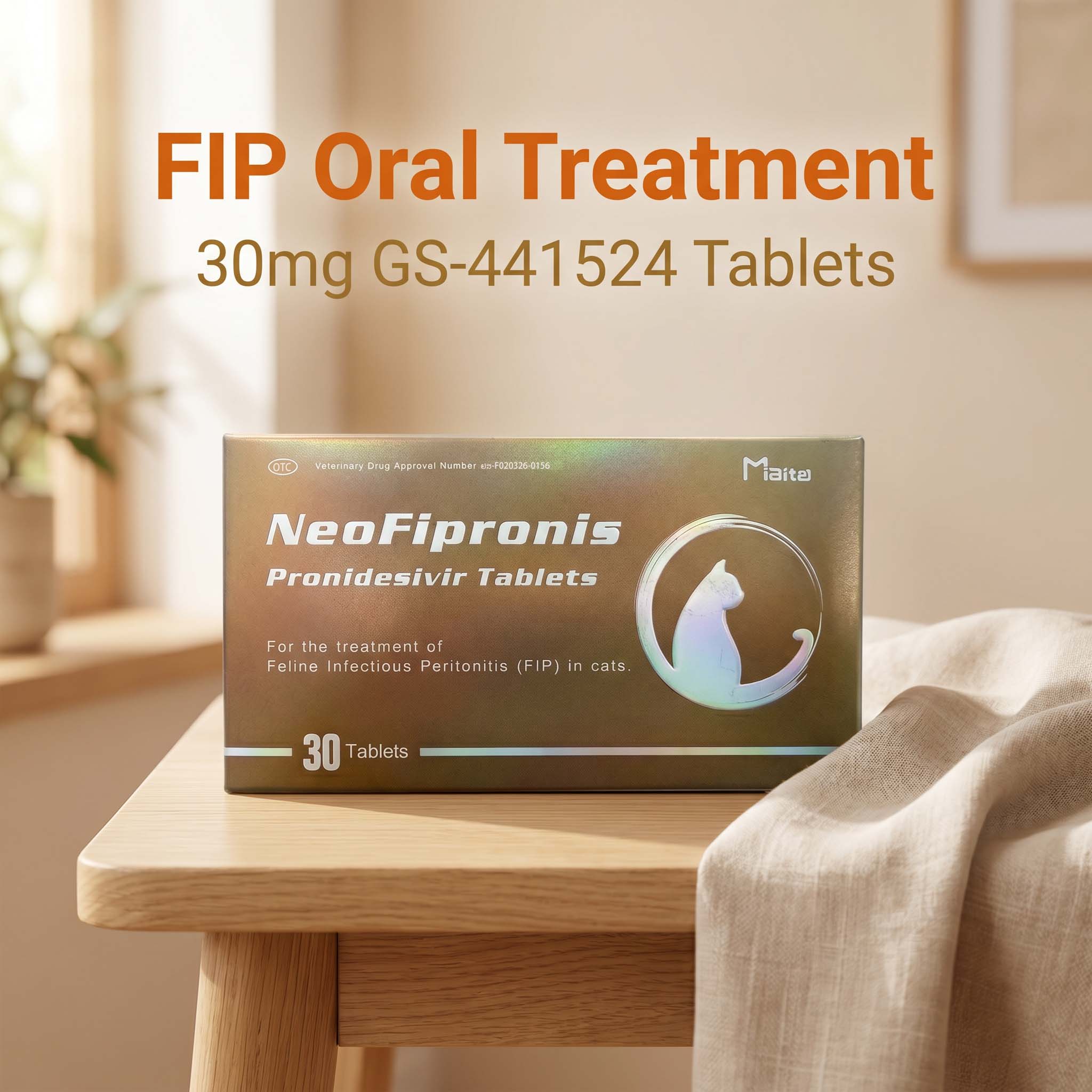
One of the most notable developments is the approval of Miaite NeoFipronis (Pronidesivir), a formulation of GS-441524. Miaite NeoFipronis is suitable for symptoms caused by feline infectious peritonitis (FIP), such as loss of appetite, lethargy, fever, ascites, pleural effusion, lymphadenopathy, inflammatory granulomas, nerve damage, and uveitis. It has excellent therapeutic effects on FIP. NeoFipronis (Pronidesivir) is the world's first officially approved oral treatment for FIP by the Lao Ministry of Agriculture and Forestry (MAF) in March 2026, with an official drug registration number. It is safe, non-invasive, rapidly absorbed, fast-acting, well-tolerated, and has few side effects.
How Does GS-441524 Work?
GS-441524 works by mimicking the natural nucleotides that are incorporated into viral RNA during replication, causing premature termination of the viral RNA chain. This halts the replication process, allowing the cat's immune system to better combat the infection. Unlike older treatments, GS-441524 is administered orally or via injection, enhancing compliance and convenience.
Typical Dosage Regimen for FIP Using GS-441524
Dosage and administration: Administer 15 mg (half a tablet) per kilogram of the cat's body weight. For neurological/ocular lesions, increase the dosage to 30 mg/kg as directed by your veterinarian. Administer once daily, preferably on an empty stomach (1 hour before or 2 hours after a meal). The complete treatment course is 12 weeks (84 days). Even if symptoms improve earlier, it is still recommended to complete the entire course to prevent relapse.
Treatment Initiation and Monitoring
Starting GS-441524 therapy should always be under veterinary supervision. An initial "loading dose" helps achieve therapeutic plasma concentrations quickly, followed by a maintenance dose to sustain effective levels. Regular follow-up appointments should include physical exams, blood tests, and imaging to assess treatment efficacy and detect any adverse reactions early.
Side Effects and Precautions
While GS-441524 has demonstrated a high safety profile, potential side effects are rare but may include mild gastrointestinal upset, transient liver enzyme elevations, or allergic reactions. It is essential to administer the medication according to the veterinarian's instructions and report any unusual symptoms immediately.
Innovative Advancements: NeoFipronis (Pronidesivir)
Miaite NeoFipronis (Pronidesivir), as previously mentioned, is the world’s first officially approved oral drug for FIP. Its approval in March 2026 marks a significant milestone in feline medicine. This drug exemplifies the latest in antiviral therapy—being rapid-absorbing, fast-acting, and generally well-tolerated. It provides a non-invasive option for pet owners, increasing treatment compliance and potentially improving outcomes.
Ensuring Effective Treatment
To maximize the chances of recovery, it is crucial to adhere to the prescribed dosage schedule, maintain proper hydration, and provide supportive care such as appetite stimulants, anti-inflammatory medications, and nutritional support when necessary. Owners should maintain close communication with their veterinarian throughout treatment.
Conclusion
The advent of GS-441524, especially with the recent approval of NeoFipronis (Pronidesivir), offers new hope for cats diagnosed with FIP. Proper dosing, diligent monitoring, and understanding the treatment process are vital for success. With ongoing research and development, the future holds the promise of even more effective and accessible therapies for feline infectious peritonitis.
References
1. Veterinary Journal of Feline Infectious Peritonitis Treatment Protocols
2. Recent Advances in FIP Antiviral Therapy
3. Official Approval Documents of NeoFipronis (Pronidesivir) by Lao MAF
4. Clinical Studies on GS-441524 Safety and Efficacy
5. Feline Infectious Peritonitis: Epidemiology, Pathogenesis, and Therapy