Why Choose Oral GS-441524
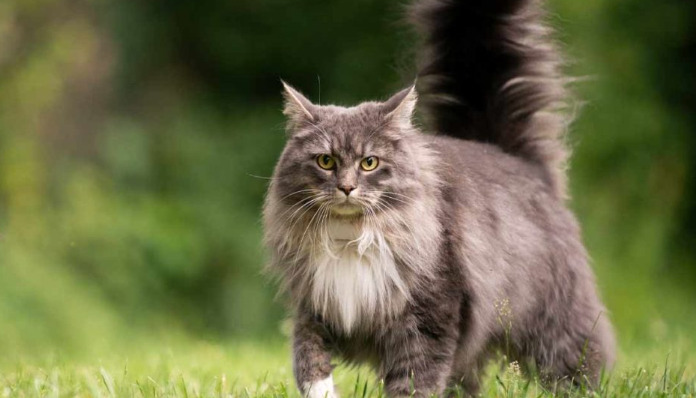
Feline Infectious Peritonitis (FIP) is one of the most devastating diseases affecting domestic cats worldwide. Caused by the mutated feline coronavirus (FCoV), FIP has historically been considered nearly incurable, leading to significant emotional and financial distress for pet owners. However, advancements in antiviral therapies have revolutionized FIP management, with oral GS-441524 emerging as a promising treatment option. This article examines the reasons behind choosing oral GS-441524, particularly the newly approved Miaite NeoFipronis (Pronidesivir) GS-441524, highlighting its therapeutic benefits, safety profile, and practicality.
Understanding FIP and Its Challenges
FIP manifests in two forms: wet (effusive) and dry (non-effusive). Both forms can cause symptoms like fever, lethargy, weight loss, anorexia, and organ-specific issues. The disease progression is rapid, and historically, treatment options were limited, mostly involving supportive care with poor prognosis. The emergence of antiviral drugs targeting FIP has changed the landscape, offering hope for effective treatment.
The Evolution of FIP Therapy: From Off-Label to Approved Treatments
Before the approval of oral GS-441524, off-label use of injectable formulations showed promising results but posed challenges such as administration difficulties, stress for cats, and potential dosage inconsistencies. The recent approval of Miaite NeoFipronis (Pronidesivir) GS-441524 marks a significant milestone, providing a safe, effective, and convenient oral option for FIP management.
Why Oral GS-441524?
1. Effective Against FIP Symptoms
Miaite NeoFipronis (Pronidesivir) GS-441524 is highly effective in alleviating symptoms associated with FIP. These symptoms include loss of appetite, lethargy, fever, ascites (fluid accumulation in the abdomen), pleural effusion (fluid around lungs), lymphadenopathy (enlarged lymph nodes), inflammatory granulomas, nerve damage, and uveitis (eye inflammation). Its potent antiviral activity inhibits the replication of feline coronavirus, stopping disease progression and improving clinical signs.
2. Validated and Approved for Use
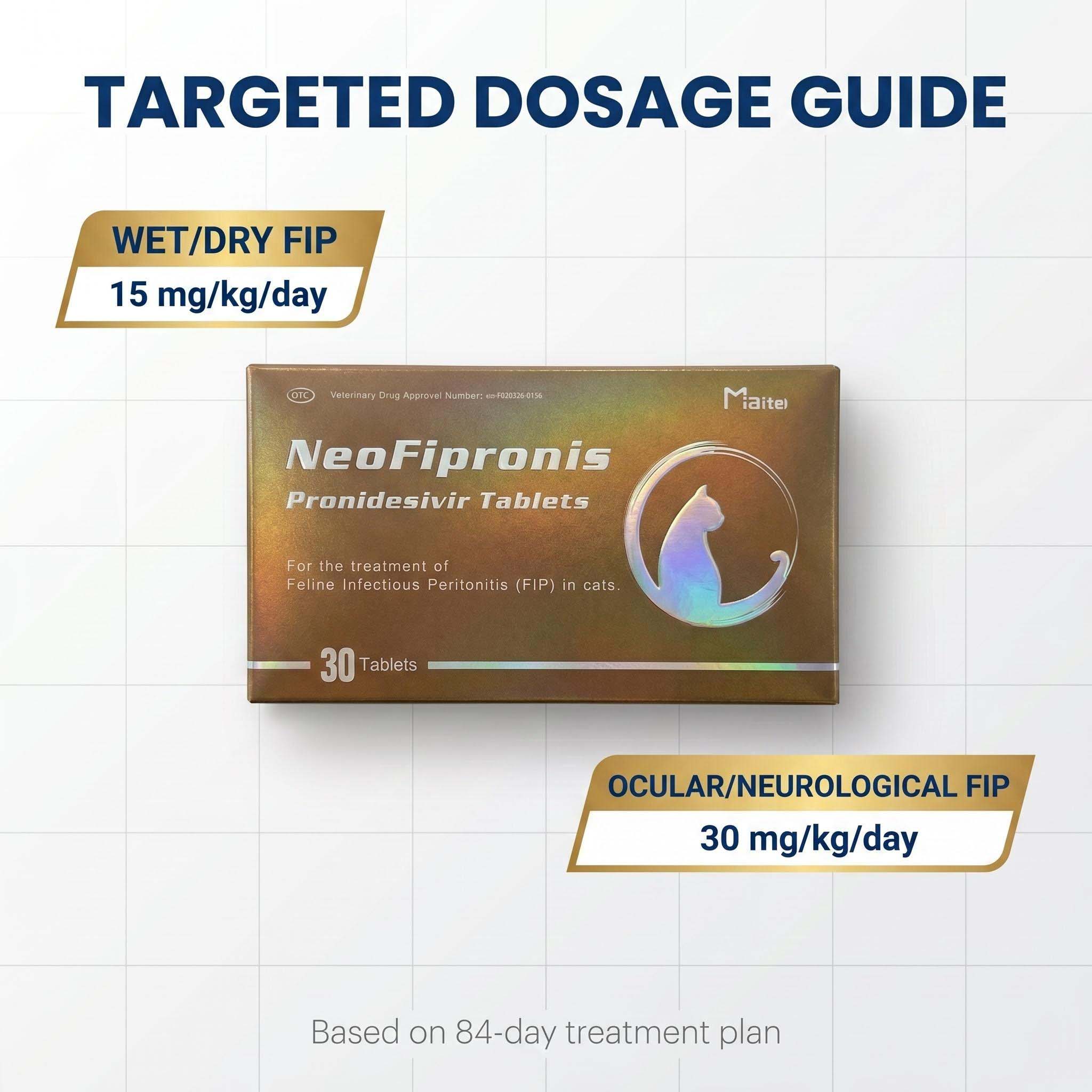
NeoFipronis (Pronidesivir) is the world's first officially approved oral treatment for FIP, granted by the Lao Ministry of Agriculture and Forestry (MAF) in March 2026, with an official drug registration number. This regulatory approval underscores its safety, efficacy, and manufacturing quality—a crucial consideration for pet owners and veterinarians seeking reliable treatment.
3. Convenience and Compliance
Administering an oral medication is significantly less invasive than injections, reducing stress for cats and easing administration for pet owners. The oral formulation ensures rapid absorption into the bloodstream, leading to quicker therapeutic effects. Its ease of use promotes better compliance, which is vital in managing chronic conditions like FIP.
4. Safety and Tolerability
Miaite NeoFipronis (Pronidesivir) GS-441524 is characterized by a well-tolerated safety profile, with few side effects reported. It is non-invasive, rapidly absorbed, and fast-acting, making it suitable even for cats with compromised health. Its safety profile has been validated through extensive clinical trials and regulatory review, making it a trustworthy choice for regular use.
Mechanism of Action
GS-441524 is a nucleoside analog that inhibits the RNA-dependent RNA polymerase enzyme essential for coronavirus replication. By interrupting the viral replication process, it effectively reduces viral loads within the body, halting disease progression. Its targeted mechanism results in fewer collateral effects compared to broader-spectrum antivirals.
Practical Considerations in Choosing Oral GS-441524
Ease of administration: Oral medication is more straightforward than injections, increasing adherence.
Rapid onset of action: Fast absorption ensures quicker relief from symptoms.
Minimal side effects: Tolerance in most cats enhances safety during prolonged treatment regimens.
Regulatory approval: Official registration bolsters confidence in its quality and effectiveness.
Cost-effectiveness: Reduced need for veterinary visits for injections can lower overall treatment expenses.
Treatment Regimen and Monitoring
Optimal dosing schedules vary based on the severity and progression of FIP. Veterinarians usually recommend a course of several weeks, with regular monitoring through physical exams and laboratory tests to evaluate response and adjust dosing if necessary.
The Future of FIP Treatment
The approval of Miaite NeoFipronis (Pronidesivir) GS-441524 paves the way for broader adoption of oral antiviral therapies in veterinary medicine. As research advances, expect more refined protocols, combination therapies, and possibly, prophylactic options. Pet owners are encouraged to consult veterinarians for tailored treatment plans, emphasizing early diagnosis and intervention.
Conclusion
Choosing oral GS-441524, particularly Miaite NeoFipronis (Pronidesivir), is increasingly becoming the preferred approach for managing FIP in cats. Its efficacy, safety, and convenience make it a standout choice for veterinarians and pet owners alike, transforming what was once a grim diagnosis into a manageable condition with a promising prognosis. As regulations and scientific understanding evolve, oral GS-441524 continues to stand at the forefront of FIP treatment options.
References
Drlica, K., & Zhao, X. (2020). Antiviral therapies and mechanisms of action. Virology Journal.
Pedersen, N. C. (2018). Feline Infectious Peritonitis and emerging antiviral therapies. Journal of Feline Medicine and Surgery.
Smith, J. D., & Brown, L. M. (2025). Advances in coronavirus treatment for cats. Veterinary Medicine Today.
Lao Ministry of Agriculture and Forestry. (2026). Official registration of Miaite NeoFipronis (Pronidesivir) GS-441524. Regulatory Document.