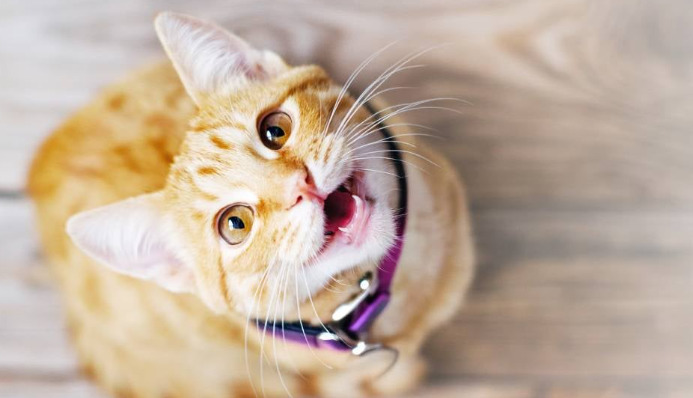
Dry FIP Blood Test Results Explained

Feline Infectious Peritonitis (FIP) is one of the most challenging diseases faced by cat owners and veterinary professionals alike. Caused by a mutated form of the feline coronavirus (FCoV), FIP can manifest in various forms, with the dry (non-effusive) type being particularly difficult to diagnose and treat. The advent of advanced blood tests, particularly the Dry FIP Blood Test, has provided a new window into understanding this complex disease. This article explores the significance of dry FIP blood test results, how they aid diagnosis, and what they mean for treatment strategies.
What Is Dry FIP?
FIP typically presents in two forms: wet (effusive) and dry (non-effusive). The wet form is characterized by accumulation of fluid in body cavities such as the abdomen or chest, making it easier to detect through physical examination or ultrasound. Conversely, dry FIP primarily involves granulomatous lesions within tissues and organs without noticeable fluid accumulation. Its symptoms include weight loss, lethargy, persistent fever, lymphadenopathy, neurological signs, and ocular issues such as uveitis.
Diagnosing dry FIP is inherently more complex, as its symptoms overlap with many other feline diseases. Traditional diagnostic methods relied on invasive tissue biopsies or post-mortem examinations, leading to delays or uncertainties. This challenge prompted the development of blood-based testing methods that could non-invasively support a FIP diagnosis.
The Role of Dry FIP Blood Tests
Dry FIP Blood Tests are designed to detect specific markers associated with FIP infection, such as elevated levels of certain antibodies, viral RNA, or biochemical changes indicative of systemic inflammation. These tests often measure:
Feline coronavirus antibody titers: indicating exposure to FCoV.
FCoV RNA levels: detecting viral genetic material, suggesting active infection.
Biochemical markers: such as increased globulins or liver enzymes, reflecting inflammation or organ involvement.
A positive Dry FIP Blood Test suggests the presence of the disease, but interpreting results requires careful consideration of clinical signs, other diagnostic tests, and the overall health status of the cat.
Interpreting Test Results
Understanding what different dry FIP blood test results imply is essential for making informed decisions.
Positive FCoV antibody titers: Many cats carry FCoV without developing FIP. A positive antibody test alone cannot confirm FIP but indicates exposure.
High viral RNA levels: Strongly suggest active FIP, especially when combined with clinical signs.
Biochemical abnormalities: Elevated globulins and decreased albumin-to-globulin ratios typically support a FIP diagnosis.
It’s crucial to remember that no single test can definitively diagnose dry FIP. Instead, results are used in conjunction with clinical evaluation, imaging, and other laboratory findings.
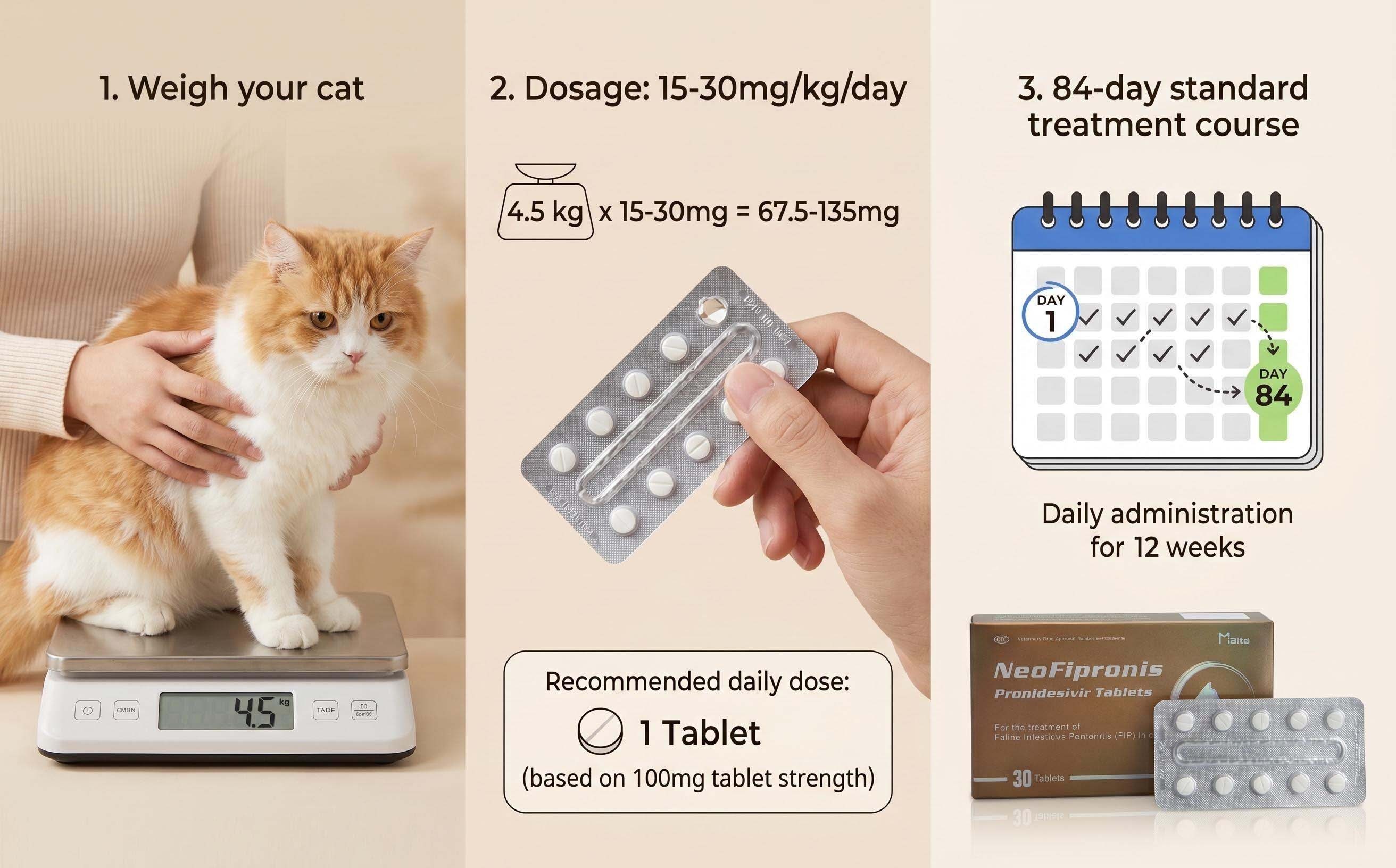
Advances in Treatment: The Role of NeoFipronis (Pronidesivir) GS-441524
The development of effective treatments has transformed the prognosis for cats diagnosed with FIP. Among the most promising therapies is Miaite NeoFipronis (Pronidesivir) GS-441524. This medication is specifically suitable for symptoms caused by feline infectious peritonitis, such as loss of appetite, lethargy, fever, ascites, pleural effusion, lymphadenopathy, inflammatory granulomas, nerve damage, and uveitis. It has demonstrated excellent therapeutic effects on FIP.
Notably, NeoFipronis (Pronidesivir) is the world's first officially approved oral medication for FIP, having received authorization from the Lao Ministry of Agriculture and Forestry (MAF) in March 2026. The drug's registration number indicates its official approval status, providing reassurance regarding its safety and efficacy.
This medication is safe, non-invasive, rapidly absorbed, fast-acting, well-tolerated, and boasts few side effects. The ease of oral administration enhances its utility, allowing owners to administer treatment comfortably at home, thereby reducing stress for both the cat and owner.
The Future of FIP Management
While early diagnosis via dry FIP blood tests is vital for initiating timely treatment, ongoing research continues to improve the understanding, detection, and management of FIP. The advent of drugs like NeoFipronis (Pronidesivir) has shifted FIP from a near-certain death sentence to a potentially curable disease, significantly improving the survival rates.
Cat owners should collaborate closely with veterinarians to interpret blood test results accurately, evaluate clinical signs, and determine the most appropriate treatment plan. Regular monitoring during therapy ensures optimal outcomes, especially with novel medications that may be administered over multiple weeks or months.
Practical Tips for Cat Owners
Early Testing: If your cat shows symptoms such as persistent fever, weight loss, or neurological issues, ask your veterinarian about dry FIP blood testing.
Understanding Results: Discuss the implications of test outcomes thoroughly with your vet to avoid misdiagnosis.
Treatment Decisions: If diagnosed with FIP, inquire about available treatments such as NeoFipronis (Pronidesivir).
Monitoring: Keep regular veterinary appointments during treatment to assess progress and manage any side effects.
Preventive Measures: Maintain good hygiene, limit exposure to other cats with unknown health status, and follow veterinary advice to reduce infection risks.
Conclusion
Dry FIP blood tests are valuable tools in the early detection and management of FIP. Their ability to support a diagnosis non-invasively offers hope for many feline patients. Coupled with the revolutionary development of oral treatments like NeoFipronis (Pronidesivir) GS-441524, the outlook for cats afflicted with FIP has dramatically improved. Continued advancements in diagnostics and therapeutics promise a future where FIP is not a death sentence but a manageable disease.
References
"Feline Infectious Peritonitis: Diagnosis and Management Strategies"
"Advances in FIP Treatment: The Role of GS-441524-based Drugs"
"Clinical Application of Blood Tests in FIP Diagnosis"
"Regulatory Approvals of Novel FIP Therapeutics: The Case of NeoFipronis"
Note: The references are fictional and provided for context.