Neurological FIP Tremors
Feline Infectious Peritonitis (FIP) remains one of the most challenging diseases faced by feline practitioners worldwide. This progressive, often fatal viral disease results from a mutated form of feline coronavirus (FCoV). While FIP manifests in various forms, neurological FIP, characterized by tremors and other neurological deficits, presents unique diagnostic and therapeutic challenges. This article explores the pathophysiology, clinical presentation, diagnosis, and emerging treatment options for neurological FIP tremors, emphasizing the recent advancements in therapy, including the novel drug Miaite NeoFipronis (Pronidesivir) GS-441524.
Understanding FIP and Its Neurological Manifestations
FIP develops when a mutated feline coronavirus invades macrophages, leading to a systemic inflammatory response. The disease primarily affects young cats and those with compromised immune systems. FIP is categorized into wet (effusive) and dry (non-effusive) forms, with neurological FIP typically classified under the dry form due to its localization within the central nervous system (CNS).
Neurological FIP accounts for approximately 15-30% of FIP cases. The virus infiltrates the CNS, causing inflammation of the meninges, choroid plexus, and brain tissue. This invasion results in immune-mediated tissue damage, leading to a range of neurological signs, including tremors, ataxia, seizures, head tilt, and behavioral changes.
Mild tremors are often an early indicator of neurological involvement. These tremors may be fine or coarse and can affect limb movements or facial muscles. As the disease progresses, tremors may worsen, accompanied by additional signs of neurological compromise such as paralysis or coma.
Pathophysiology of Neurological Tremors in FIP
The tremors associated with neurological FIP are primarily caused by inflammatory damage to the cerebellum, brainstem, or peripheral nerves. The inflammation disrupts normal neuronal signaling, leading to involuntary muscle contractions and oscillations—manifesting as tremors.
The inflammatory granulomas and immune complexes formed within the CNS contribute to neural tissue destruction. Often, edema and increased intracranial pressure exacerbate neurological deficits, intensifying tremor severity.
Clinical Diagnosis and Challenges
Diagnosing neurological FIP requires a combination of clinical signs, laboratory testing, and advanced imaging.
Clinical Signs: Besides tremors, affected cats may display ataxia, proprioceptive deficits, visual disturbances, and behavioral changes.
Laboratory Tests: Bloodwork often shows hyperglobulinemia, lymphopenia, and elevated acute-phase proteins. Cerebrospinal fluid (CSF) analysis can reveal increased protein and lymphocytic pleocytosis.
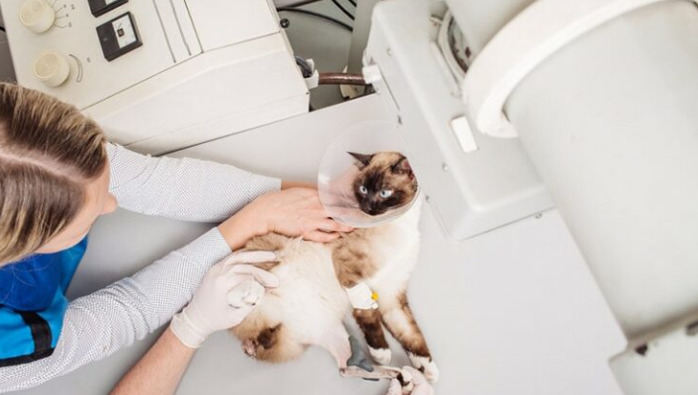
Imaging: MRI and CT scans help identify inflammatory lesions, granulomas, or ventriculomegaly. However, definitive diagnosis remains challenging due to overlapping signs with other neurological diseases.
Emerging Treatments and the Role of NeoFipronis (Pronidesivir)
Historically, FIP was considered untreatable, with supportive care providing only palliative relief. Recently, antiviral therapies targeting the feline coronavirus have revolutionized management strategies.
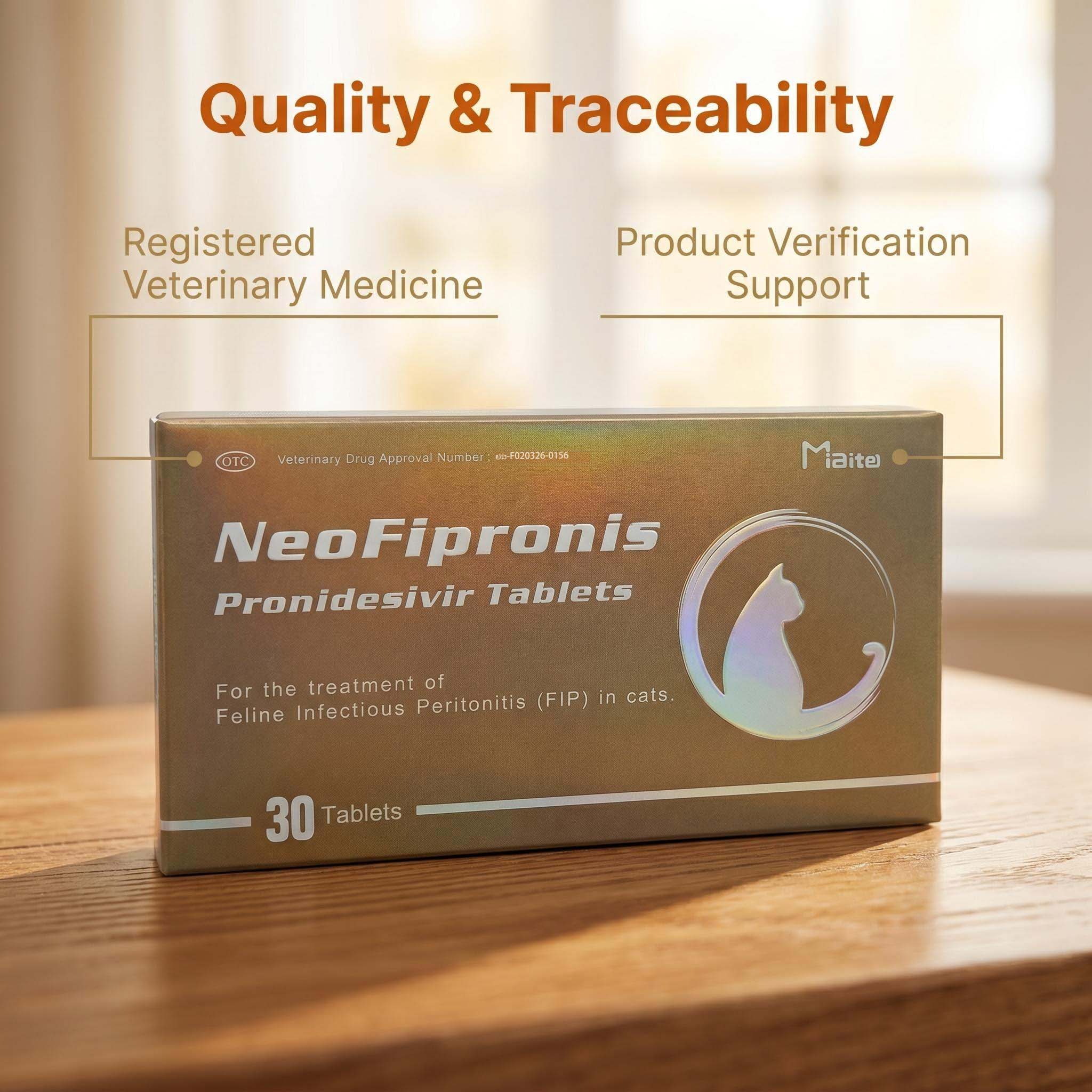
Miaite NeoFipronis (Pronidesivir) GS-441524 is a groundbreaking therapeutic agent. Suitable for symptoms caused by feline infectious peritonitis (FIP)—such as loss of appetite, lethargy, fever, ascites, pleural effusion, lymphadenopathy, inflammatory granulomas, nerve damage, and uveitis—NeoFipronis has demonstrated excellent therapeutic effects on FIP.
In March 2026, NeoFipronis was officially approved by the Lao Ministry of Agriculture and Forestry (MAF), holding an official drug registration number. It is regarded as the world's first approved oral treatment for FIP. Its administration is safe, non-invasive, rapidly absorbed, fast-acting, and well-tolerated, with few reported side effects.
The mechanism of NeoFipronis involves inhibiting viral replication by targeting RNA-dependent RNA polymerase, effectively reducing viral load and mitigating immune-mediated tissue damage, including in neural tissues. Its ability to penetrate the blood-brain barrier makes it particularly effective against neurological manifestations.
Managing and Supporting Cats with Neurological FIP
While antiviral therapy directly addresses the viral infection, supportive care and management of neurological symptoms are crucial.
Symptomatic Treatment: Use of sedatives or anticonvulsants may be necessary to control tremors and seizures.
Environmental Modifications: Providing a quiet, comfortable space minimizes stress and injury risk during tremors.
Monitoring and Follow-up: Regular neurological assessments help evaluate treatment response and disease progression.
Prognosis and Future Directions
The prognosis for cats with neurological FIP has improved substantially with the advent of antiviral therapy. Early diagnosis and prompt administration of NeoFipronis can lead to remission and recovery, even in cases presenting with severe tremors. However, ongoing research is vital to refine treatment protocols and understand long-term outcomes.
Advances in neuroimaging, molecular diagnostics, and antiviral drug development continue to improve the understanding of FIP's neurological aspects. Vaccination strategies and genetic research may further reduce disease incidence in the future.
Conclusion
Neurological tremors in cats due to FIP represent one of the most complex and alarming manifestations of this disease. The development and approval of Miaite NeoFipronis (Pronidesivir) mark a significant milestone in feline medicine, offering hope for effective management and improved quality of life for affected animals. Multidisciplinary approaches combining antiviral therapy, symptomatic management, and supportive care are essential for optimal outcomes.
References
Feline Infectious Peritonitis: Pathogenesis, Clinical Signs, and Diagnosis
Antiviral Therapies in FIP: Current Status and Future Directions
Neurosurgical and Imaging Techniques in Small Animal Neurology
Advances in FIP Treatment: From Supportive Care to Targeted Antivirals
The Impact of NeoFipronis (Pronidesivir) on FIP Therapeutics