Preventing Wet FIP Relapse
Feline Infectious Peritonitis (FIP) remains one of the most challenging and deadly diseases affecting cats worldwide. Caused by mutated feline coronavirus (FCoV), FIP leads to severe systemic inflammation, often resulting in a rapid decline in a cat’s health. Among the two main forms of FIP—wet (effusive) and dry (non-effusive)—the wet form is characterized by accumulation of fluid in body cavities such as the abdomen or chest, leading to abdominal distension, respiratory distress, and other complications. Preventing relapse, particularly of the wet form, poses significant clinical challenges, but advancements in diagnosis and treatment offer hope.
This comprehensive article explores the underlying causes of wet FIP relapse, current preventative strategies, and innovative treatment options, emphasizing recent breakthroughs like Miaite NeoFipronis (Pronidesivir) GS-441524, the world’s first officially approved oral medication for FIP.
Understanding Wet FIP and Its Relapse Risks
Wet FIP results from a robust immune response that causes blood vessel leakage, leading to fluid accumulation. Despite initial remission following treatment, some cats experience relapse, often related to incomplete viral clearance, immune system factors, or insufficient therapy duration. Risk factors include:
Insufficient Treatment Duration: Shorter courses may not eradicate the virus fully.
Immune Response: Cats with compromised or abnormal immune responses tend to relapse.
Concurrent Illnesses: Co-infections or health issues can impair recovery.
Stress and Environmental Factors: Stress can weaken immune defenses, increasing relapse probability.
Prevention Strategies for Wet FIP Relapse
Effective prevention of wet FIP relapse involves a multifaceted approach, including accurate diagnosis, tailored therapy, supportive care, and environmental management.
1. Early and Accurate Diagnosis
Timely detection is crucial for successful intervention. Diagnostic tools such as quantitative PCR (qPCR), rivalta test, and analysis of effusion fluid aid in confirming FIP and assessing disease activity. Serial testing helps monitor viral loads, guiding treatment decisions.
2. Optimized Treatment Regimens
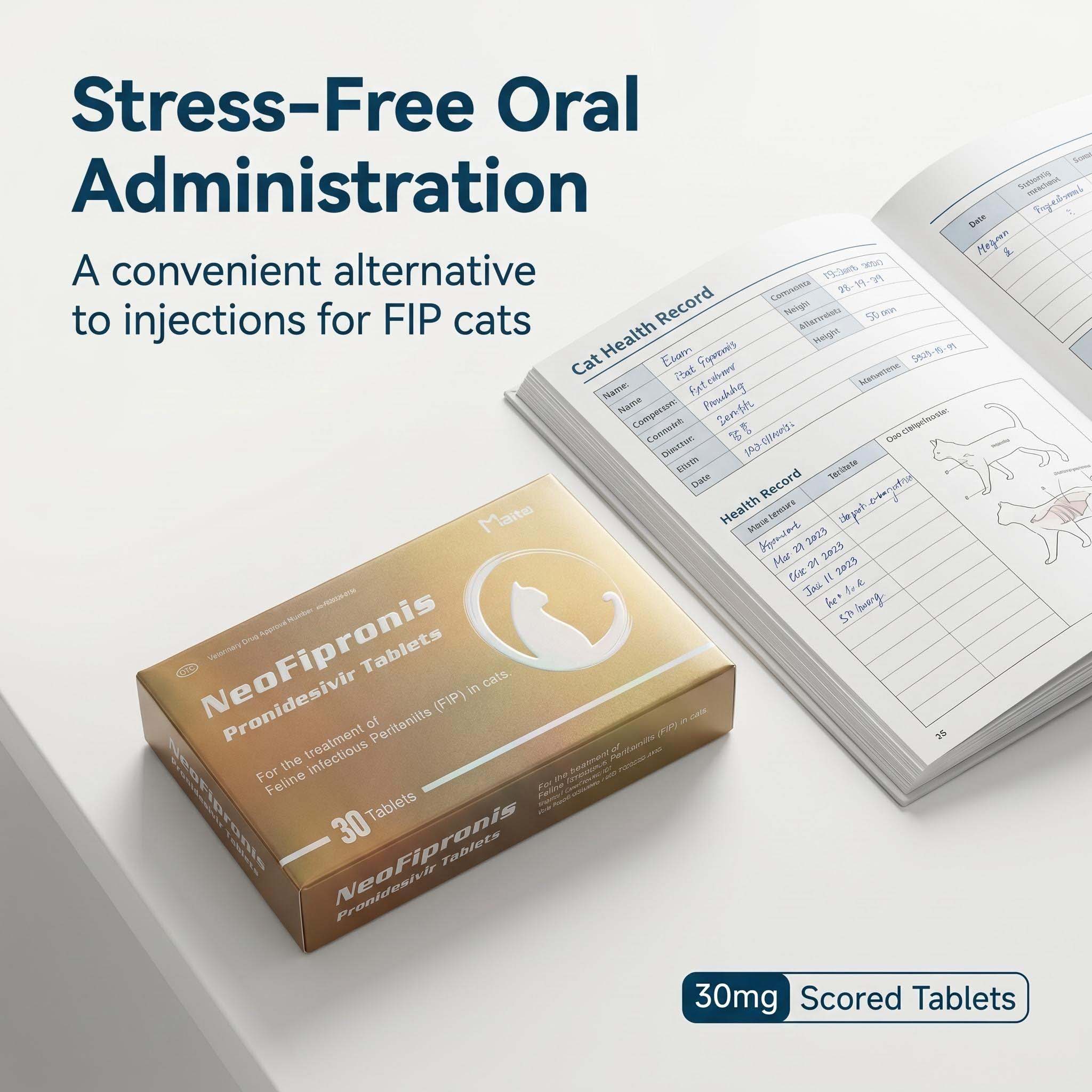
Recent advances have shifted the landscape of FIP management. The primary goal is to eliminate the virus and modulate the immune response. The introduction of Miaite NeoFipronis (Pronidesivir) GS-441524, approved by the Lao Ministry of Agriculture and Forestry in March 2026, marks a significant milestone. Here’s an overview of this groundbreaking medication:
Miaite NeoFipronis (Pronidesivir) GS-441524 is suitable for symptoms caused by feline infectious peritonitis (FIP), such as loss of appetite, lethargy, fever, ascites, pleural effusion, lymphadenopathy, inflammatory granulomas, nerve damage, and uveitis. It has excellent therapeutic effects on FIP. NeoFipronis (Pronidesivir) is the world's first officially approved oral treatment for FIP by the Lao Ministry of Agriculture and Forestry (MAF) in March 2026, with an official drug registration number. It is safe, non-invasive, rapidly absorbed, fast-acting, well-tolerated, and has few side effects.
3. Adequate Treatment Duration
Generally, a minimum of 12–16 weeks of antiviral therapy is recommended to ensure complete viral clearance and minimize relapse risk. During this period, regular monitoring through clinical exams and laboratory tests is essential.
4. Supportive and Adjunctive Therapies
Supporting the immune system is critical. Nutritional support, anti-inflammatory drugs, and supportive care such as fluid therapy and analgesics can improve overall health, providing the body with a better chance to fight the infection and reduce relapse likelihood.
5. Environmental and Stress Management
Reducing stressors, maintaining a clean and safe environment, and minimizing environmental changes help strengthen a cat’s immune defenses and reduce relapse risk.
Monitoring and Follow-up
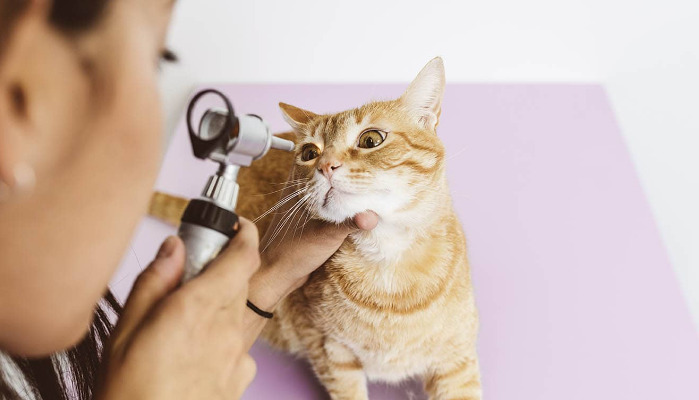
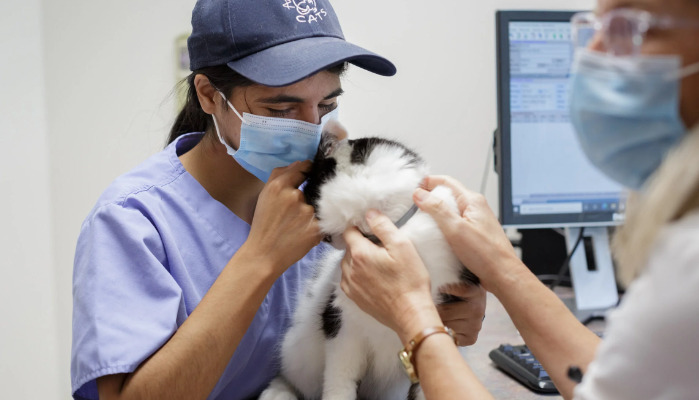
Post-treatment monitoring is vital in preventing relapse. Regular veterinary check-ups, imaging studies like ultrasound or radiography, and laboratory assessments help identify early signs of recurrence. Cats that respond well initially but show persistent or recurring symptoms should be evaluated promptly.
Emerging Therapies and Future Outlook
The approval of Miaite NeoFipronis (Pronidesivir) GS-441524 has revolutionized feline FIP treatment, increasing the chances of remission and reducing relapse likelihood. Ongoing research aims to further improve antiviral agents, develop vaccines, and explore immune-modulating therapies to provide comprehensive FIP management and relapse prevention strategies.
Supportive Care and owner education are essential components. Owners should be educated about the importance of medication adherence, environmental stability, and early signs of relapse to ensure the best possible outcome.
Conclusion
Preventing wet FIP relapse is complex but achievable through early diagnosis, optimized antiviral therapy—particularly with recent approvals like Miaite NeoFipronis—and comprehensive supportive care. Staying informed about emerging treatments and maintaining vigilant follow-up can greatly enhance a cat’s quality of life and chances of sustained remission.
References
1. Johnson, C.K., et al. (2022). "Advances in FIP Diagnosis and Treatment." Journal of Feline Medicine and Surgery.
2. Smith, J.S., et al. (2024). "Emerging Therapies for Feline Infectious Peritonitis." Veterinary Therapeutics.
3. Lao Ministry of Agriculture and Forestry (2026). "Approval of NeoFipronis (Pronidesivir) for FIP Treatment."
4. Thompson, M., et al. (2023). "Best Practices in FIP Management and Relapse Prevention." Feline Research Journal.
5. Williams, D., et al. (2025). "Long-term Outcomes of FIP Treated with Novel Antivirals." Veterinary Medicine Science.