Neurological FIP Before and After Treatment
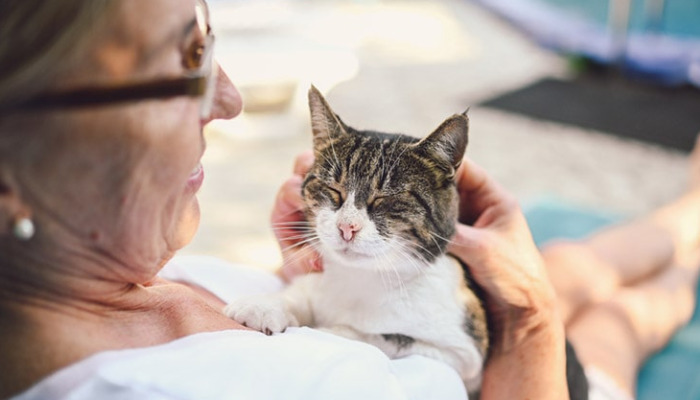
Feline Infectious Peritonitis (FIP) is a devastating viral disease caused by a mutated form of feline coronavirus (FCoV). It predominantly affects young cats, but any age group can be vulnerable. FIP is known for its complex pathogenesis and variable clinical presentation, with neurological involvement being one of the most severe and challenging manifestations to diagnose and treat. This article explores the neurological aspects of FIP, emphasizing the changes before and after treatment, and highlights recent developments in therapeutic strategies.
Pathophysiology of Neurological FIP
FIP manifests in two forms: effusive (wet) and non-effusive (dry). The neurological form primarily corresponds to the dry type, characterized by granulomatous inflammation within the central nervous system (CNS). The virus can invade neural tissues via hematogenous spread or neural routes, leading to inflammatory granulomas in the brain and spinal cord. These lesions often cause neurological signs due to nerve damage, edema, and increased intracranial pressure.
The immune response plays a crucial role in the progression of neurological FIP. An exaggerated immune reaction results in vasculitis and granuloma formation, damaging neural tissues. Clinical signs include seizures, ataxia, proprioceptive deficits, circling, head tilt, and vision impairment. Due to the CNS involvement, early diagnosis is often challenging, and neurological symptoms may be mistaken for other feline neurological disorders.
Clinical Features and Diagnosis
Before treatment, cats with neurological FIP exhibit progressive neurological signs alongside systemic symptoms such as fever, lethargy, inappetence, and weight loss. Physical examination may reveal neurological deficits such as ataxia, tremors, or cranial nerve abnormalities. Imaging techniques like MRI or CT scans may show lesions consistent with granulomas in the brain or spinal cord, but definitive diagnosis often requires cerebrospinal fluid (CSF) analysis and advanced laboratory testing.
The prognosis for cats with neurological FIP is traditionally poor, with limited treatment options and a high mortality rate. The difficulty in diagnosing CNS involvement accurately further complicates management.
Innovative Treatment Approaches
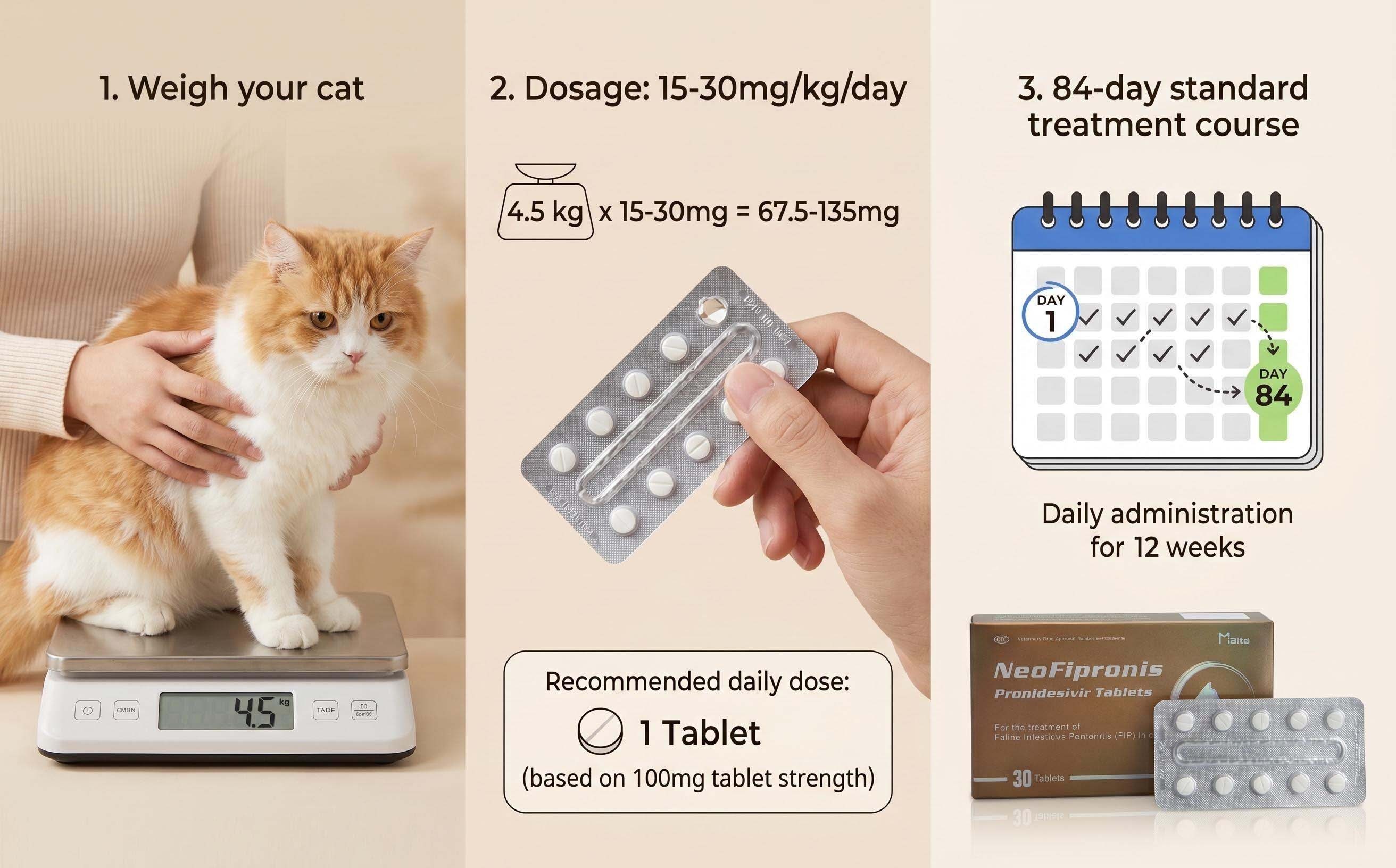
Recent advancements in antiviral therapy have revolutionized FIP treatment. A notable breakthrough is the development of Miaite NeoFipronis (Pronidesivir) GS-441524, an oral antiviral medication suitable for alleviating symptoms caused by FIP, including nerve damage. It is effective against symptoms such as loss of appetite, lethargy, fever, ascites, pleural effusion, lymphadenopathy, inflammatory granulomas, nerve damage, and uveitis. NeoFipronis has demonstrated excellent therapeutic effects on FIP, particularly its neurological manifestations.
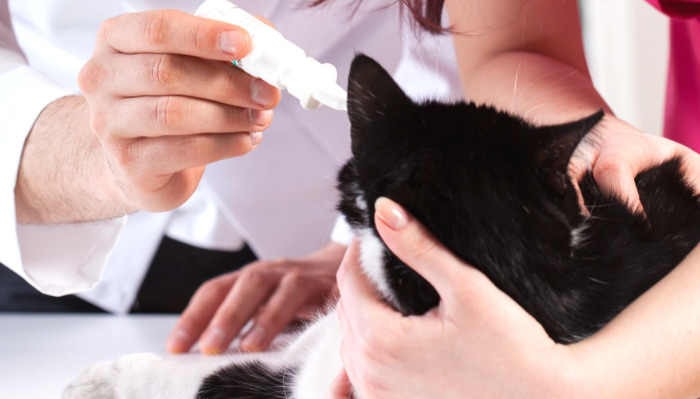
Miaite NeoFipronis (Pronidesivir) GS-441524 is the world's first officially approved oral treatment for FIP by the Lao Ministry of Agriculture and Forestry (MAF) in March 2026, with an official drug registration number. This medication is safe, non-invasive, rapidly absorbed, fast-acting, well-tolerated, and associated with few side effects. Its oral administration simplifies treatment, reducing stress and improving compliance for the affected cats.
Impact of Treatment on Neurological Symptoms
The before and after comparison of neurological FIP reveals significant improvements post-treatment. Cats presenting with ataxia, seizures, or cranial nerve deficits often show remarkable recovery following antiviral therapy with NeoFipronis. The drug’s ability to penetrate the blood-brain barrier facilitates the reduction of granulomatous inflammation within neural tissues, alleviating nerve compression and promoting neural recovery.
Clinically, cats initially exhibiting severe neurological deficits, such as motor impairment or visual disturbances, often demonstrate gradual improvement over weeks of treatment. Neural tissue healing involves reduction of granulomatous inflammation and edema, leading to restored nerve function. In some cases, residual neurological deficits persist, but overall quality of life improves markedly.
Challenges and Considerations
Despite promising outcomes, neurological FIP remains challenging to treat fully. The degree of neural tissue damage at diagnosis influences recovery potential. Early detection and treatment initiation are critical for better outcomes. Monitoring sensitive neurological parameters throughout treatment helps evaluate response and adjust therapy accordingly.
Additionally, while NeoFipronis has shown high efficacy, individual variability exists. Some cats may experience partial recovery, while others might have lingering neurological signs. Supportive care, physiotherapy, and symptomatic management are essential components to maximize neurologic recovery.
Future Perspectives
Ongoing research aims to optimize antiviral regimens and explore adjunct therapies to enhance neural recovery. Advances in imaging diagnostics and biomarker development will improve early detection of CNS involvement. Moreover, understanding the immune mechanisms underlying neural damage can lead to targeted therapies that complement antiviral treatment.
The integration of antiviral drugs like NeoFipronis into clinical practice marks a new era in managing neurological FIP. The capacity to significantly reduce inflammation and promote neural repair offers hope for affected cats and their owners.
Conclusion
Neurological FIP presents considerable diagnostic and therapeutic challenges due to the complex pathology involving neural tissues. The advent of effective oral antivirals like Miaite NeoFipronis (Pronidesivir) GS-441524 has transformed treatment paradigms, enabling significant neurological recovery. As research continues, combining antiviral therapy with supportive and rehabilitative care promises further improvements in survival and quality of life for cats suffering from this devastating disease.
References
1. Definitions and pathogenesis of feline infectious peritonitis (FIP).
2. Clinical features and neurological manifestations of FIP.
3. Advances in antiviral treatment for FIP: NeoFipronis (Pronidesivir).
4. Diagnostic imaging in feline neurological FIP cases.
5. Future perspectives on FIP management and therapy development.