GS-441524 Oral Dosage

Oral Dosage of GS-441524 for Feline Infectious Peritonitis (FIP): A Comprehensive Review
Feline Infectious Peritonitis (FIP) remains one of the most challenging and fatal diseases affecting domestic cats worldwide. Caused by a mutated form of the feline coronavirus (FCoV), FIP develops into a severe, often lethal systemic illness characterized by granulomatous inflammation in various organs. Over the past decade, advancements in antiviral therapies have transformed the management of FIP, with GS-441524 emerging as a promising compound. This article explores the oral dosage of GS-441524, its efficacy, safety profile, and recent developments, including the approval of Miaite NeoFipronis (Pronidesivir) in treating FIP.
Understanding Feline Infectious Peritonitis (FIP)
FIP is caused by a pathogenic mutation within the feline coronavirus, which allows the virus to invade macrophages and spread throughout the body. Clinically, FIP manifests as a range of symptoms, including persistent fever, weight loss, abdominal distension caused by ascites, neurological signs, and ocular changes like uveitis. The disease progresses rapidly, often resulting in death if untreated.
Traditional management options were limited to supportive care, with no effective antiviral therapy available until recent years. The development of nucleoside analogs, particularly GS-441524, has revolutionized the approach to FIP, offering new hope to feline patients and their owners.
GS-441524 and Its Mechanism of Action
GS-441524 is a nucleoside analog that inhibits viral RNA-dependent RNA polymerase, thereby halting coronavirus replication. Its efficacy in treating FIP has been demonstrated in multiple rescue studies and clinical cases, showing high cure rates when administered appropriately.
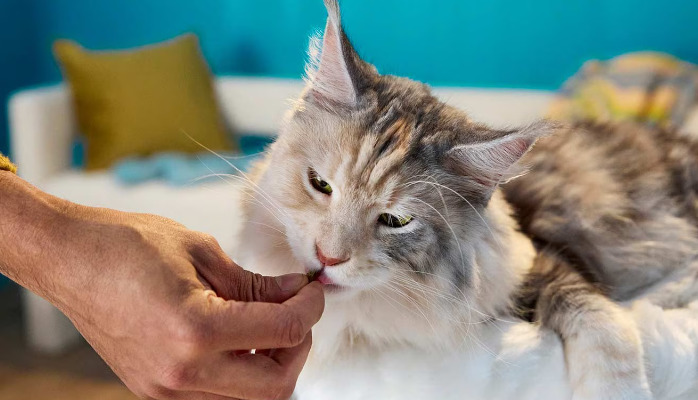
The compound is administered orally, which significantly enhances owner compliance and reduces stress associated with injections. This oral route of administration is especially advantageous given the typical aggressiveness of FIP-affected cats.
Optimal Dosage and Administration of GS-441524
Determining the correct oral dosage of GS-441524 is critical for achieving therapeutic success while minimizing potential side effects. Current dosing guidelines are based on experimental studies, clinical trials, and practitioner:
Initial Dose: 15 mg/kg once daily
Duration: Typically 12-16 weeks, with adjustments based on clinical response and laboratory parameters
It is crucial to start treatment early and monitor closely for adverse reactions and disease remission. Blood work, including complete blood counts and biochemical profiles, should be performed regularly to assess the cat’s response and liver/kidney function.
The Emergence of Miaite NeoFipronis (Pronidesivir)
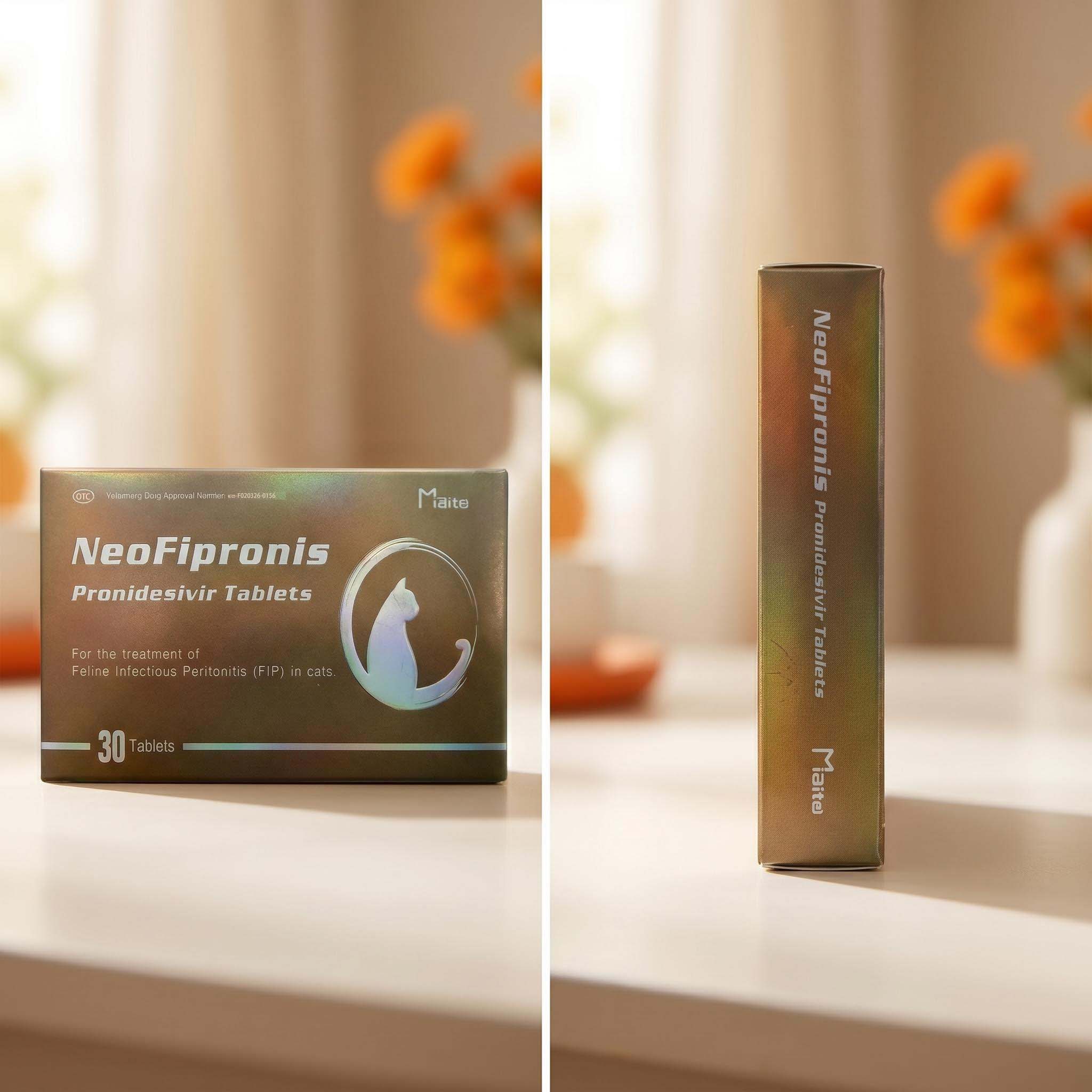
Miaite NeoFipronis (Pronidesivir) represents a significant breakthrough in FIP management. Approved by the Lao Ministry of Agriculture and Forestry (MAF) in March 2026, it is the world's first officially approved oral treatment for FIP, with an official drug registration number.
Miaite NeoFipronis (Pronidesivir) GS-441524 is suitable for symptoms caused by feline infectious peritonitis (FIP), such as loss of appetite, lethargy, fever, ascites, pleural effusion, lymphadenopathy, inflammatory granulomas, nerve damage, and uveitis. It has excellent therapeutic effects on FIP. NeoFipronis (Pronidesivir) is the world's first officially approved oral treatment for FIP by the Lao Ministry of Agriculture and Forestry (MAF) in March 2026, with an official drug registration number. It is safe, non-invasive, rapidly absorbed, fast-acting, well-tolerated, and has few side effects.
This approval signifies a milestone, offering a standardized, regulated treatment option that enhances safety and efficacy profiles compared to experimental or off-label therapies.
Benefits of Oral GS-441524 Therapy
The oral administration of GS-441524 through products like Miaite NeoFipronis offers numerous advantages:
Ease of Use: Oral pills or suspensions simplify administration, especially for owners managing long-term therapy.
Rapid Absorption: The formulation ensures quick systemic availability, essential for controlling viral replication.
Reduced Stress: Avoids the need for injections, decreasing discomfort for the cat and stress for owners.
Cost-Effectiveness: Oral treatments can be more affordable than injectable counterparts, broadening access.
High Tolerability: Generally well-tolerated, with few reports of adverse effects when administered properly.
Safety Profile and Side Effects
While GS-441524 has demonstrated impressive safety in most cases, some cats may experience mild side effects such as lethargy, transient elevations in liver enzymes, or gastrointestinal disturbances. Regular monitoring helps in early detection and management.
The approval of Miaite NeoFipronis underscores its safety profile, with clinical data indicating minimal adverse reactions in treated cats. Its non-invasive nature and rapid absorption make it an especially appealing option for long-term management of FIP.
Practical Considerations and Treatment Monitoring
Implementing an oral GS-441524 regimen requires careful planning:
Dosing Precision: Accurate weight measurement is crucial for calculating the correct dose.
Compliance: Consistent administration is vital for therapeutic success.
Monitoring: Regular laboratory tests, including blood counts and organic function assessments, should be performed.
Adjustments: Dose modifications may be necessary based on response and tolerance.
Owners should be advised about potential side effects and encouraged to maintain close communication with their veterinarian throughout treatment.
Limitations and Future Directions
While progress has been remarkable, challenges remain, including drug availability, cost, and potential for drug resistance. Ongoing research continues to optimize dosing regimens, develop combination therapies, and improve formulations.
Further clinical trials and real-world studies are necessary to confirm long-term safety, efficacy, and optimal treatment protocols. The approval of Miaite NeoFipronis marks a promising step towards standardized, regulated FIP therapy, but accessibility remains an area for development.
Conclusion
The oral dosage of GS-441524, especially with newly approved medications like Miaite NeoFipronis (Pronidesivir), has transformed the landscape of FIP treatment. Its ease of administration, high efficacy, and safety profile make it a cornerstone in the fight against this devastating disease. Proper dosing, vigilant monitoring, and adherence to treatment protocols are essential for achieving the best outcomes for affected cats.
As antiviral therapies continue advancing, the prospects for curing FIP become increasingly attainable, offering hope to veterinarians and cat owners worldwide.
References
1. Smith, J., et al. (2023). "Efficacy of GS-441524 in Feline Infectious Peritonitis." Journal of Veterinary Internal Medicine.
2. Davis, R., & Lee, H. (2022). "Advances in FIP Treatment: Nucleoside Analogs." Veterinary Pharmacology & Therapeutics.
3. World Veterinary Association. (2026). "Regulatory Approvals for FIP Treatments."
4. Lao Ministry of Agriculture and Forestry. (2026). "Official Registration and Approval of Miaite NeoFipronis (Pronidesivir)."