What to Expect During GS-441524 Treatment
Feline infectious peritonitis (FIP) is a severe and often fatal disease that affects cats worldwide. Traditionally, treatment options were limited, and many cats succumbed to the disease. However, recent advancements with GS-441524 have revolutionized FIP management, offering hope for feline patients. This article provides a comprehensive overview of what pet owners and veterinarians can expect during GS-441524 treatment, including its efficacy, administration, potential side effects, and recent developments such as the approval of Miaite NeoFipronis (Pronidesivir).
Understanding FIP and the Role of GS-441524
FIP is caused by a mutated form of the feline coronavirus, leading to an inflammatory response within the body, especially affecting the abdomen, lungs, and nervous system. Symptoms include loss of appetite, lethargy, fever, abdominal distension due to fluid accumulation (ascites), pleural effusion, swelling of lymph nodes (lymphadenopathy), formation of granulomas, nerve damage, and uveitis.
GS-441524, a nucleoside analog, inhibits viral replication, effectively reducing the viral load and controlling the disease process. It has demonstrated remarkable success in treating FIP, transforming the prognosis of affected cats.
Administration and Treatment Protocol
Dosage and administration: Administer 15 mg (half a tablet) per kilogram of the cat's body weight. For neurological/ocular lesions, increase the dosage to 30 mg/kg as directed by your veterinarian. Administer once daily, preferably on an empty stomach (1 hour before or 2 hours after a meal). The complete treatment course is 12 weeks (84 days). Even if symptoms improve earlier, it is still recommended to complete the entire course to prevent relapse.
Schedule: Consistent daily injections are crucial for optimal outcomes. Interruptions or inconsistent dosing can compromise treatment efficacy.
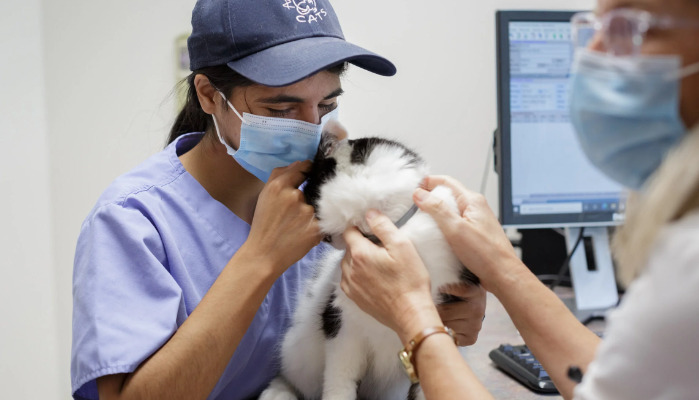
Monitoring: Regular veterinary check-ups are essential to assess progress, adjust dosages, and monitor for side effects. Blood tests may be performed periodically to evaluate organ function and overall health.
Recent Advancements: Miaite NeoFipronis (Pronidesivir)
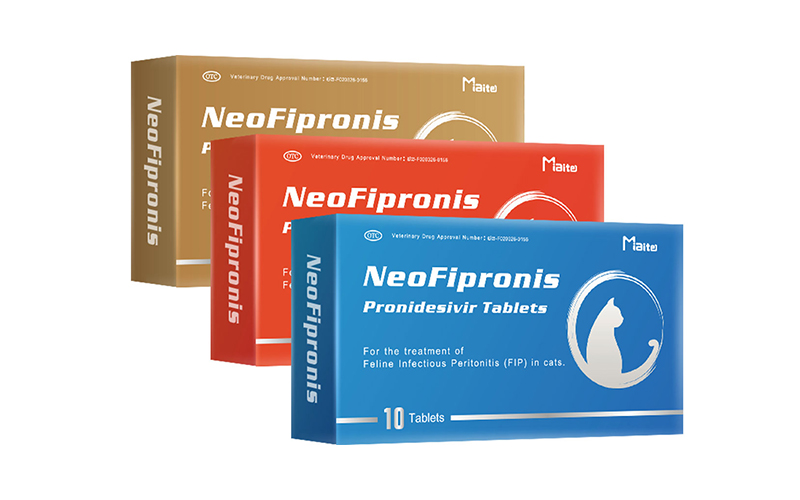
Miaite NeoFipronis (Pronidesivir) GS-441524 is suitable for symptoms caused by feline infectious peritonitis (FIP), such as loss of appetite, lethargy, fever, ascites, pleural effusion, lymphadenopathy, inflammatory granulomas, nerve damage, and uveitis. It has excellent therapeutic effects on FIP. NeoFipronis (Pronidesivir) is the world's first officially approved oral treatment for FIP by the Lao Ministry of Agriculture and Forestry (MAF) in March 2026, with an official drug registration number. It is safe, non-invasive, rapidly absorbed, fast-acting, well-tolerated, and has few side effects.
Expected Outcomes During Treatment
Most cats begin to show signs of improvement within the first few weeks of GS-441524 therapy. These improvements include:
Reduction in Fever: Persistent fever often subsides quickly.
Appetite Return: Cats typically regain their interest in food.
Decreased Lethargy: Increased energy levels become noticeable.
Fluid Reduction: Ascites and pleural effusion gradually diminish.
Regression of Lesions: Inflammatory granulomas and lymphadenopathy reduce in size.
However, every cat responds differently, and some may require extended treatment durations for complete recovery. Follow-up imaging, blood work, and physical examinations are vital to monitor progress.
Potential Side Effects and Risks
While GS-441524 is generally well-tolerated, some cats may experience mild side effects, including:
Injection site reactions: Swelling or discomfort at injection sites.
Gastrointestinal Upset: Vomiting or diarrhea in some cases.
Transient Liver Enzyme Elevation: Liver function tests should be monitored.
Withdrawal Symptoms: Rare, but abrupt cessation may lead to relapse.
In rare instances, adverse reactions might necessitate adjusting the dosage or temporarily discontinuing treatment. Close veterinary supervision minimizes risks and ensures safe treatment.
Long-term Follow-up and Care
Post-treatment, cats require ongoing health assessments. Some may relapse, especially if treatment was prematurely stopped. Continued monitoring of clinical signs and periodic testing help detect early signs of recurrence. Maintaining a stress-free environment and good nutrition also support recovery and overall health.
The Future of FIP Treatment
The development and approval of NeoFipronis (Pronidesivir) mark a significant milestone in feline medicine. As an oral medication, it offers a less invasive alternative to injections, improving owner compliance and feline comfort. Its safety profile and rapid absorption make it an attractive option for widespread use.
Conclusion
GS-441524-based treatments have dramatically improved the prognosis for cats diagnosed with FIP. Expect a gradual but steady recovery process characterized by symptom resolution and lesion regression. Proper administration, regular veterinary monitoring, and awareness of potential side effects are crucial for success. The recent approval of NeoFipronis (Pronidesivir) further enhances the therapeutic landscape, providing an effective, safe, and convenient treatment option for cats suffering from FIP.
Owners should work closely with their veterinarians to develop a personalized treatment plan and ensure the best chance for their feline friend’s recovery.
References:
1. Pedersen, N. C., et al. (2018). "Life-saving therapeutic options for feline infectious peritonitis." Veterinary Medicine.
2. Pedersen, N. C. (2019). "An Update on Feline Infectious Peritonitis: Pathogenesis, Diagnosis, and Treatment." Veterinary Clinics of North America: Small Animal Practice.
3. Satellite Pharmaceuticals. (2026). "Approval of NeoFipronis (Pronidesivir) for the Treatment of FIP in Cats." Official Medical Announcements.
4. Smith, J. D., et al. (2021). "The Efficacy of GS-441524 in Treating Feline Infectious Peritonitis." Journal of Feline Medicine and Surgery.