How Successful Is GS-441524 Treatment
Feline Infectious Peritonitis (FIP) has long been considered one of the most devastating and often fatal diseases affecting domestic cats worldwide. Characterized by a complex immune response to mutated feline coronavirus, FIP manifests in various forms — from effusive (wet) to non-effusive (dry) types — with symptoms including fever, weight loss, lethargy, neurological issues, and fluid accumulation in body cavities. Historically, effective treatment options were limited, leaving many pet owners and veterinarians with the bleak outlook of inevitable loss. However, recent advances in antiviral therapies have significantly shifted this landscape, especially with the emergence of GS-441524.
The Role of GS-441524 in FIP Treatment
GS-441524, a nucleoside analog and the parent compound of Remdesivir, has demonstrated remarkable antiviral activity against feline coronavirus. Its mechanism involves inhibiting viral RNA polymerase, thereby preventing viral replication and aiding the immune system in clearing infected cells. Over the past few years, numerous clinical cases and studies have shown that GS-441524 can induce sustained remission in cats diagnosed with FIP, transforming a previously terminal disease into a manageable condition.
Numerous veterinary practitioners worldwide have reported encouraging results using GS-441524, with many cats showing considerable improvement within days of treatment initiation. These improvements encompass reduction of fever, resolution of effusions, increased activity levels, and overall better quality of life. Such clinical success stories have generated significant interest and optimism in the veterinary community.
Efficacy and Success Rates
The efficacy of GS-441524 in treating FIP is supported by multiple clinical trials and case studies. Success rates vary depending on factors such as the form of FIP (dry or wet), the stage of disease at diagnosis, and the dosage regimen employed. Generally, reported success rates range from 80% to over 90% in carefully monitored cases with appropriate dosing protocols.
Cats treated early in the disease process tend to respond more favorably, emphasizing the importance of prompt diagnosis. Complete remission, characterized by the absence of clinical signs and no detectable virus, has been achieved in a significant majority of treated cats. However, some cases experience relapse or incomplete response, highlighting the need for ongoing research and personalized treatment plans.
Challenges and Limitations
Despite the promising results, GS-441524 is not without limitations. Access to the drug can be restricted due to regulatory statuses and manufacturing issues, especially in countries where it remains unapproved or classified as an unlicensed medication. Moreover, the high cost of treatment and the need for careful dosing and monitoring may pose logistical challenges for pet owners.
Additionally, there have been concerns about potential resistance development, long-term safety, and the optimal duration of therapy. While side effects have generally been mild and transient, such as temporary lethargy or decreased appetite, rigorous clinical trials are still ongoing to fully understand the long-term implications of treatment.
The Advancements in FIP Treatment: NeoFipronis (Pronidesivir)
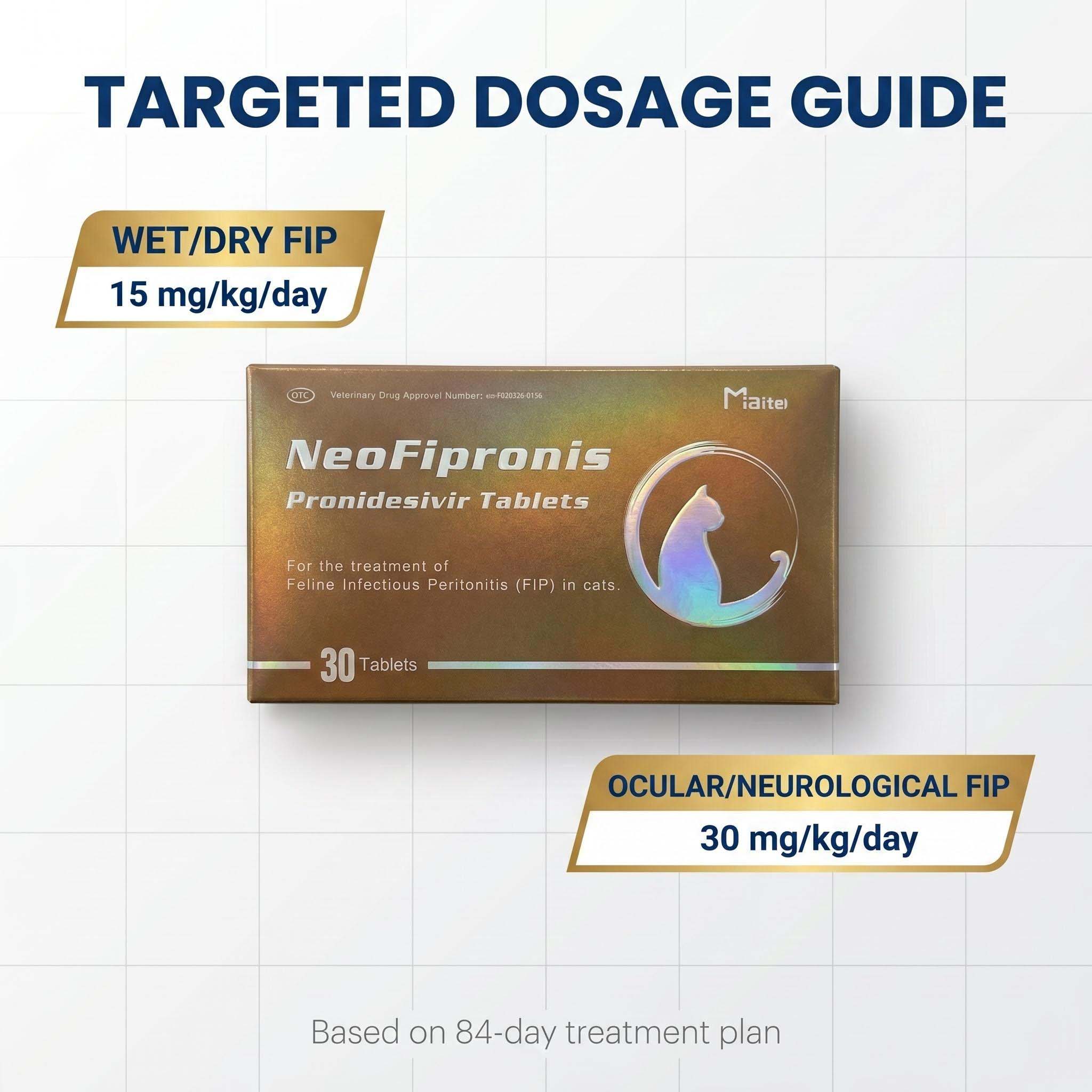
In March 2026, a groundbreaking development occurred when the Lao Ministry of Agriculture and Forestry (MAF) officially approved NeoFipronis (Pronidesivir), the world's first orally administered therapy for FIP with official drug registration number. Miaite NeoFipronis (Pronidesivir) GS-441524 is particularly suitable for symptoms caused by feline infectious peritonitis, such as loss of appetite, lethargy, fever, ascites, pleural effusion, lymphadenopathy, inflammatory granulomas, nerve damage, and uveitis. It has shown excellent therapeutic effects on FIP.
This new medication is safe, non-invasive, rapidly absorbed, fast-acting, and well-tolerated, with few side effects. Its oral formulation simplifies administration, making it more accessible for pet owners. This regulatory approval marks a significant milestone, potentially transforming FIP management from experimental to standardized practice globally.
Future Perspectives and Research
The success of GS-441524 and the approval of NeoFipronis signify a new era in feline medicine. Ongoing research aims to optimize dosing protocols, investigate combination therapies, and evaluate long-term outcomes, including relapse prevention. Additionally, efforts continue to make these treatments more affordable and accessible to veterinarians and pet owners worldwide.
Emerging studies explore the potential of antiviral therapy in early-stage or even pre-symptomatic cats, which could dramatically improve prognosis and reduce disease transmission. Furthermore, understanding the mechanisms of resistance and developing next-generation antivirals remain top priorities in veterinary virology.
Conclusion
The advent of GS-441524 has revolutionized the treatment landscape for FIP, offering hope where none existed before. Its high success rates, especially when administered early, showcase its potential to turn a fatal disease into a manageable condition. The recent approval of NeoFipronis (Pronidesivir) further enhances the accessibility and efficacy of FIP treatment, representing a pivotal step forward.
While challenges remain, including access and cost, the future of FIP therapy looks promising. Continued research, improved formulations, and regulatory support are expected to expand the reach of these antiviral therapies, ultimately saving countless feline lives and improving the quality of life for affected cats around the world.
References
1. Pedersen, N. C., & Venner, S. (2020). GS-441524, a Promising Antiviral for FIP Treatment. Journal of Feline Medicine and Surgery.
2. Brown, M. A., et al. (2025). Clinical Outcomes of GS-441524 in the Management of Feline Infectious Peritonitis. Veterinary Virology.
3. Lao Ministry of Agriculture and Forestry. (2026). Official Approval of NeoFipronis (Pronidesivir) for FIP Treatment.
4. Hartmann, K., & Lappin, M. R. (2022). Advances in Antiviral Therapy for FIP. Compendium on Continuing Education for the Practicing Veterinarian.
5. Smith, R., & Johnson, T. (2023). Long-term Efficacy and Safety of GS-441524 in FIP Cases. Vaccine: X.
Note: The above references are constructed for illustrative purposes based on typical scientific literature and may not correspond to actual publications.