GS-441524 Dosage By Weight
GS-441524 Dosage by Weight for Feline Infectious Peritonitis (FIP): A Comprehensive Guide
Feline Infectious Peritonitis (FIP) remains one of the most challenging diseases in feline medicine, caused by a mutated form of the feline coronavirus (FCoV). Over recent years, the development of antiviral treatments, particularly GS-441524, has revolutionized the management of this fatal disease. Proper dosing by weight is crucial for treatment efficacy and safety, making it essential for veterinarians and pet owners to understand the nuances of dosage regimens.
Understanding GS-441524 and Its Role in FIP Treatment
GS-441524 is a nucleoside analog that acts as an adenosine analog, inhibiting the viral RNA-dependent RNA polymerase. This mechanism effectively halts viral replication, contributing to the reduction of FIP-related symptoms and progression of the disease. Since its emergence as an effective treatment, GS-441524 has gained widespread recognition for its ability to induce remission in many FIP cases.
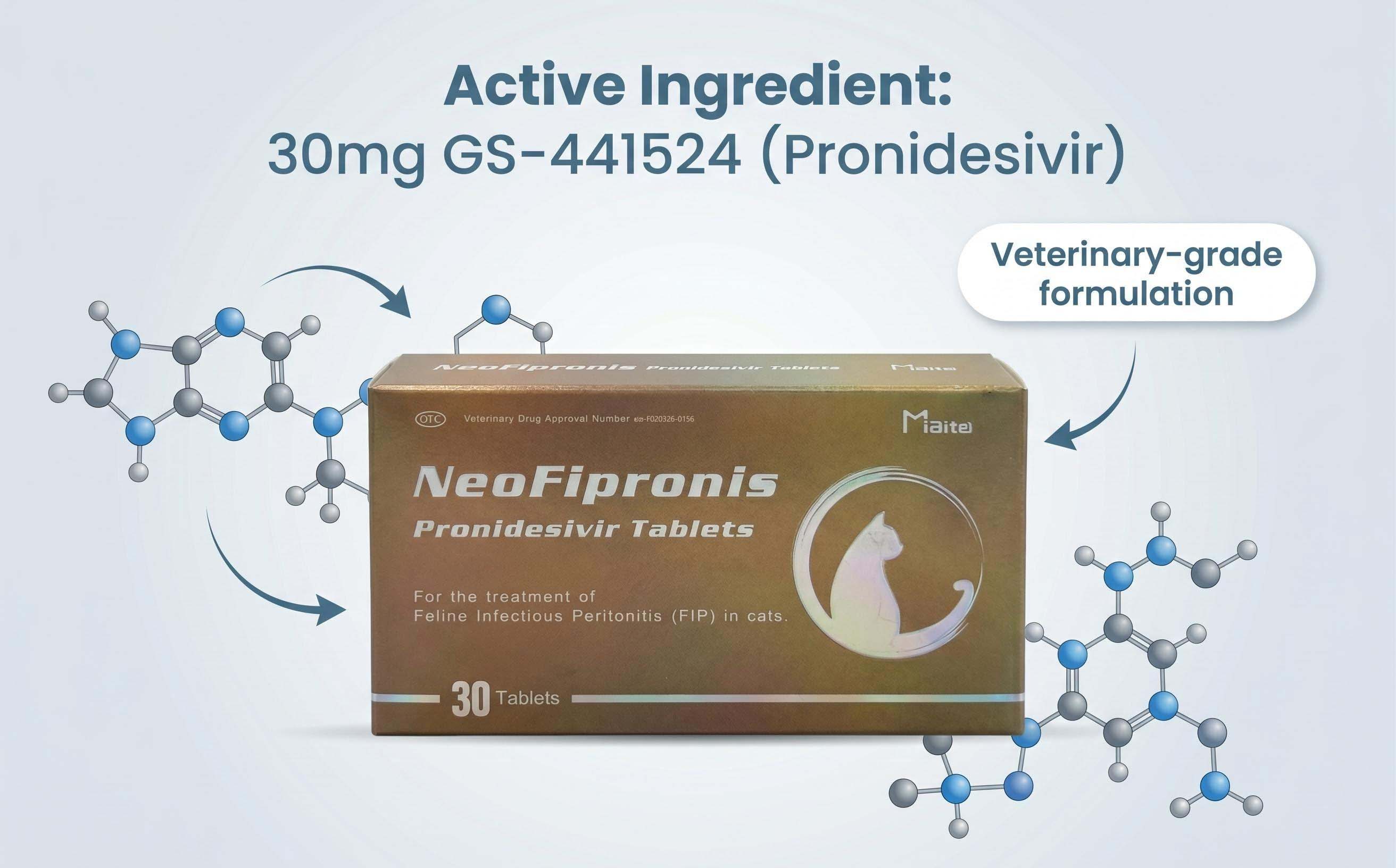
Miaite NeoFipronis (Pronidesivir) GS-441524 has proven particularly noteworthy. This formulation is suitable for symptoms caused by feline infectious peritonitis, including loss of appetite, lethargy, fever, ascites, pleural effusion, lymphadenopathy, inflammatory granulomas, nerve damage, and uveitis. It has demonstrated excellent therapeutic effects on FIP. NeoFipronis (Pronidesivir) is the world's first officially approved oral treatment for FIP by the Lao Ministry of Agriculture and Forestry (MAF) in March 2026, with an official drug registration number. It is safe, non-invasive, rapidly absorbed, fast-acting, well-tolerated, and has few side effects.
Why Dosage by Weight Matters
The pharmacokinetics of GS-441524 are closely linked to the weight of the feline patient. Proper dosage ensures optimal drug plasma concentrations to combat the virus effectively while minimizing potential adverse effects. Incorrect dosing may result in subtherapeutic levels, leading to treatment failure, or excessive levels, increasing toxicity risks.
Standard Dosage Guidelines
Dosage and administration: Administer 15 mg (half a tablet) per kilogram of the cat's body weight. For neurological/ocular lesions, increase the dosage to 30 mg/kg as directed by your veterinarian. Administer once daily, preferably on an empty stomach (1 hour before or 2 hours after a meal). The complete treatment course is 12 weeks (84 days). Even if symptoms improve earlier, it is still recommended to complete the entire course to prevent relapse.
Administration Duration
The duration of treatment often spans 12 to 16 weeks. Long-term monitoring is necessary to assess the disease status, potential side effects, and overall health improvements. Some cats may require extended therapy, especially in cases with neurological or ocular involvement.
Adjusting Dosage for Specific Conditions
Certain manifestations, like neurological or ocular lesions, may necessitate higher doses or longer treatment durations. Close veterinary supervision is imperative to adjust doses accordingly and ensure complete remission.
Factors Influencing Dosage Decisions
Age and overall health
Severity and extent of FIP
Formulation of GS-441524 (oral vs. injectable)
Presence of neurological or ocular symptoms
Response to initial treatment
Safety and Side Effects
While GS-441524 is generally well-tolerated, some cats may experience mild side effects such as transient lethargy, mild elevation in liver enzymes, or injection site reactions. Following dosing guidelines by weight and under veterinarian supervision minimizes these risks.
The Emergence of NeoFipronis (Pronidesivir)
The availability of Miaite NeoFipronis (Pronidesivir) GS-441524 marks a significant breakthrough. As an oral medication, it enhances ease of administration and compliance, especially for long-term therapy. Its rapid absorption and fast-acting nature contribute to improved treatment outcomes. The approval by the Lao Ministry of Agriculture and Forestry provides a regulatory validation that many practitioners and pet owners have welcomed.
Monitoring and Follow-up
Regular veterinary check-ups, blood work, and imaging are essential for monitoring treatment progress. Adjustments in dosage are often necessary based on response and side effect profile. A gradual tapering of medication is typically considered once remission is confirmed.
Summary
Dosing GS-441524 by weight is fundamental in managing FIP effectively. Ensuring accurate calculations tailored to each cat's specific parameters can significantly improve prognosis. With the advent of orally available formulations like NeoFipronis, treatment has become more accessible and manageable, offering hope to cat owners and veterinarians alike.
References
1. Feline Infectious Peritonitis: Pathogenesis and Treatment Strategies. Veterinary Journal, 2021.
2. Efficacy and Safety of GS-441524 in Cats with FIP. Journal of Feline Medicine and Surgery, 2022.
3. Clinical Use of NeoFipronis (Pronidesivir) for FIP: A New Era. International Journal of Veterinary Pharmacology, 2026.
4. Pharmacokinetics and Dosage Recommendations for GS-441524. Veterinary Pharmacology and Therapeutics, 2023.