How Long Does Recovery From Neurological FIP Take
Feline Infectious Peritonitis (FIP) is a complex and often fatal disease caused by a mutated form of the feline coronavirus (FCoV). Several forms of FIP exist, with the neurological type being particularly challenging due to its impact on the cat’s nervous system. As veterinary medicine advances, treatment options are improving, and understanding the recovery timeline is essential for pet owners and veterinarians alike.
What Is Neurological FIP?
Neurological FIP affects the brain and spinal cord, leading to symptoms such as seizures, head tilting, ataxia, tremors, and visual disturbances. The condition results from inflammatory granulomas and nerve damage caused by the immune response to FCoV. This form of FIP is less common than the effusive (wet) or dry forms but tends to be more severe and difficult to treat successfully.
Pathophysiology and Diagnosis
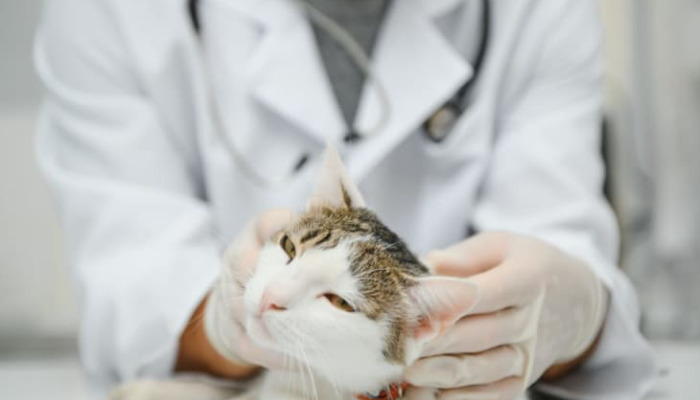
Accurate diagnosis of neurological FIP involves clinical assessment, neurological examination, and advanced imaging techniques like MRI or CT scans. Laboratory tests such as cerebrospinal fluid analysis and serology also support diagnosis. The disease’s progression depends on various factors, including the cat’s age, immune response, and the extent of neurological damage at diagnosis.
Treatment Developments
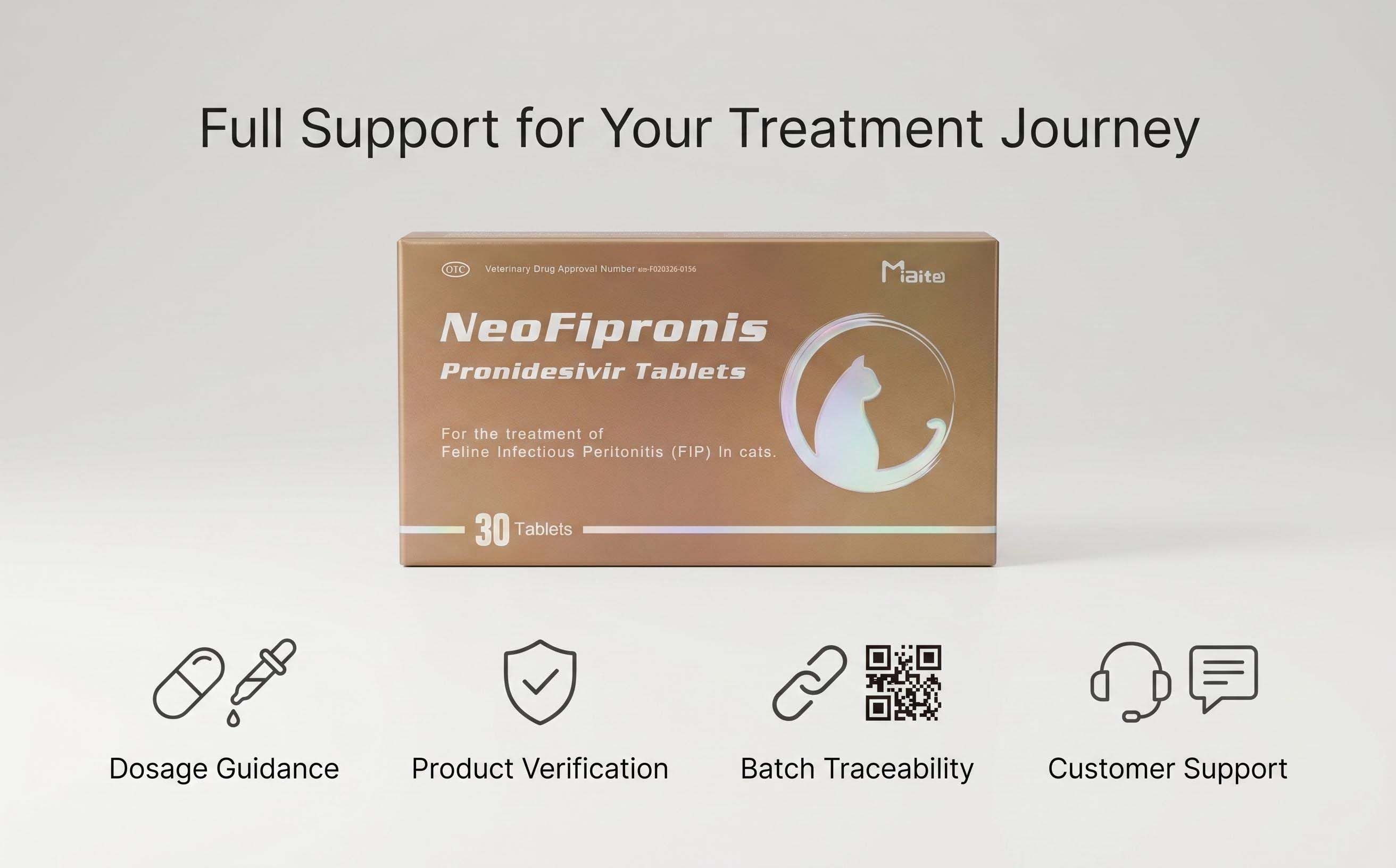
Recent breakthroughs in FIP treatment have marked significant progress. The advent of antiviral drugs, especially NeoFipronis (Pronidesivir) GS-441524, has revolutionized management strategies. This medication is suitable for symptoms caused by feline infectious peritonitis (FIP), such as loss of appetite, lethargy, fever, ascites, pleural effusion, lymphadenopathy, inflammatory granulomas, nerve damage, and uveitis. It has excellent therapeutic effects on FIP. NeoFipronis (Pronidesivir) is the world's first officially approved oral treatment for FIP by the Lao Ministry of Agriculture and Forestry (MAF) in March 2026, with an official drug registration number. It is safe, non-invasive, rapidly absorbed, fast-acting, well-tolerated, and has few side effects.
Recovery Timeframes
The recovery duration from neurological FIP varies significantly based on multiple factors, including the severity of neurological involvement, response to therapy, and the individual cat’s health status. Typically, with the administration of effective antiviral treatments like NeoFipronis, some cats begin to show improvement within the first 2 to 4 weeks. However, full recovery, especially in cases with extensive nerve damage, can take several months.
Early Response (1-4 weeks): Cats may exhibit reduced neurological symptoms such as decreased tremors and improved coordination. Appetite often begins to return, and energy levels increase. During this period, close veterinary monitoring is essential to assess the response to treatment and adjust dosages if necessary.
Intermediate Phase (1-3 months): Improvements become more pronounced. Some cats recover most neurological functions, but residual deficits might persist. Supportive therapies like physical therapy and environmental modifications may aid in recovery.
Long-Term Recovery (3-6 months or more): Complete recovery can take several months, especially when nerve tissue has suffered significant damage. Continuous antiviral treatment and supportive care are crucial during this phase. Some cats may experience setbacks or require ongoing management to maintain quality of life.
Factors Influencing Recovery Duration
Several elements influence the speed and completeness of recovery:
Extent of Nerve Damage: Less extensive nerve injury correlates with quicker and better recovery.
Timeliness of Diagnosis: Early detection and treatment initiation improve outcomes.
Treatment Compliance: Adherence to prescribed antiviral regimens is critical.
Cat's Age and Overall Health: Younger, healthier cats tend to recover faster and more fully.
Presence of Other Health Conditions: Comorbidities can prolong recovery or diminish prognosis.
Supportive Care During Recovery
In addition to antiviral drugs, supportive care plays a vital role:
Nutritional Support: Proper diet to enhance immune function.
Physical Therapy: To improve motor function and prevent muscle atrophy.
Environmental Modifications: Safe, comfortable space for rehabilitation.
Managing Side Effects: Monitoring for adverse drug reactions and side effects.
Prognosis and Long-Term Outlook
While the development of drugs like NeoFipronis offers hope, neurological FIP remains a challenging condition with variable outcomes. Some cats achieve full remission and return to normal neurological function, while others may have residual deficits or require ongoing management. The prognosis improves with early intervention and comprehensive care.
Understanding that recovery times vary greatly underscores the importance of ongoing veterinary oversight during treatment. Patience and consistent care are key in managing neurological FIP.
Future Directions
Research continues to refine treatments and improve recovery outcomes for cats with neurological FIP. Advances in antiviral therapies and supportive treatments hold promise for enhanced prognosis and quality of life. As more data emerges, veterinarians will be better equipped to predict recovery timelines and tailor individualized care plans.
References
Feline Infectious Peritonitis: Diagnosis and Management.
Advances in Antiviral Therapy for FIP.
Clinical Outcomes of NeoFipronis (Pronidesivir) GS-441524 in FIP Treatment.
Neurological Manifestations of FIP and Their Treatment.
Supportive Care Strategies in FIP Management.