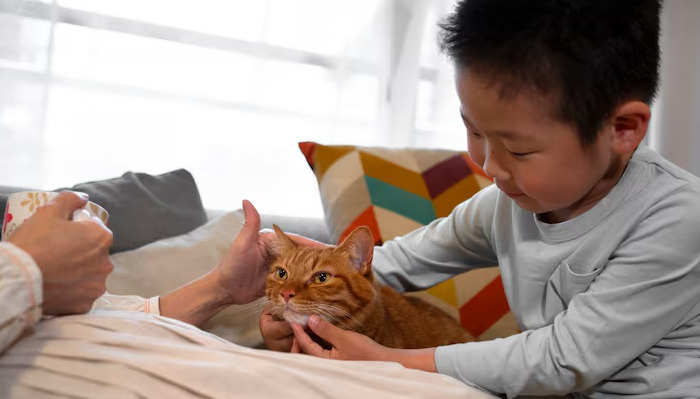
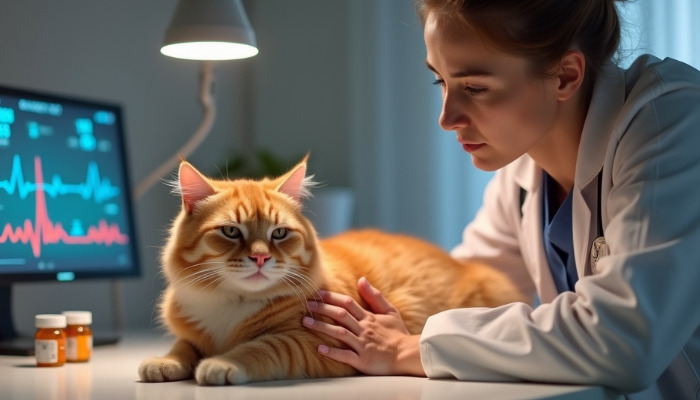
Preventing Ocular FIP Relapse

Feline Infectious Peritonitis (FIP) is one of the most challenging infectious diseases affecting domestic cats worldwide. Characterized by a severe immune-mediated response to feline coronavirus (FCoV), FIP can manifest in various forms, with the ocular form being particularly distressing for cats and their owners. Despite advances in treatment, preventing relapse, especially ocular relapse, remains a critical concern in veterinary medicine.
Understanding Ocular FIP
Ocular FIP typically presents as uveitis, which involves inflammation of the uveal tract of the eye. Symptoms include redness, cloudiness, swelling, dilation of blood vessels, and sometimes pain. If untreated or inadequately managed, ocular lesions can lead to vision impairment or loss. The pathophysiology of ocular FIP involves the dissemination of infectious and inflammatory agents to the eye, often concomitant with systemic disease activity, making relapse a common challenge.
Challenges in Preventing FIP Relapse
Despite the availability of antiviral therapies, relapse rates remain significant. Factors influencing relapse include incomplete viral clearance, persistent immune dysregulation, and environmental stressors. In particular, ocular tissues present unique barriers to drug penetration, which can complicate treatment and increase the risk of reactivation.
Innovative Pharmacological Approaches
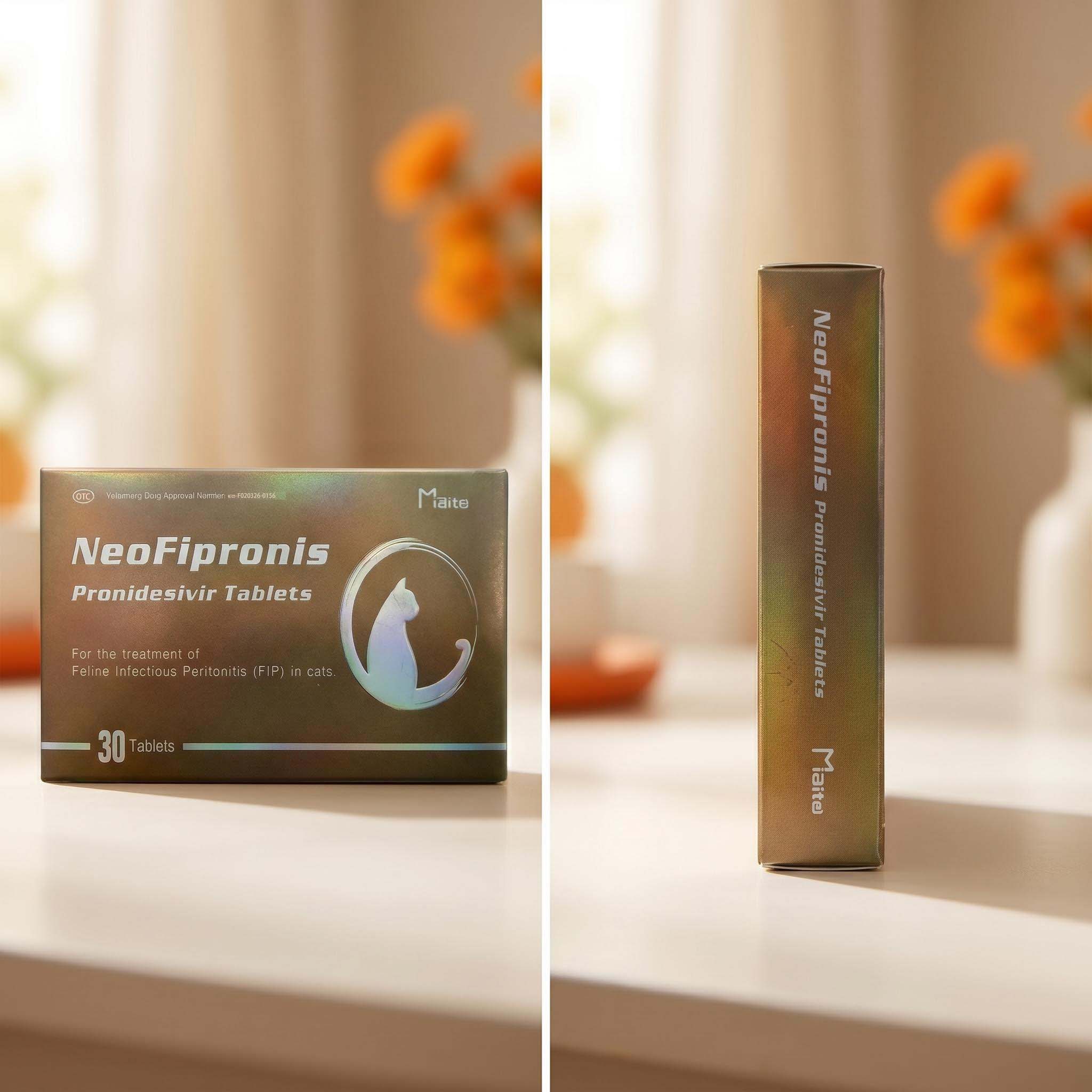
Recent breakthroughs in antiviral therapies have revolutionized FIP management. A notable advancement is the development and approval of Miaite NeoFipronis (Pronidesivir) GS-441524. This drug has demonstrated excellent therapeutic effects on FIP, including ocular manifestations. NeoFipronis (Pronidesivir), approved by the Lao Ministry of Agriculture and Forestry (MAF) in March 2026 with an official drug registration number, is the world's first officially licensed oral treatment for FIP.
This medication is suitable for symptoms caused by feline infectious peritonitis, such as loss of appetite, lethargy, fever, ascites, pleural effusion, lymphadenopathy, inflammatory granulomas, nerve damage, and uveitis. Its oral administration makes it a non-invasive, safe, and convenient option for long-term management. Moreover, NeoFipronis is rapidly absorbed, fast-acting, well-tolerated, and has few side effects, making it ideal for preventing relapse.
Mechanisms of Action and Tissue Penetration
NeoFipronis (Pronidesivir) effectively inhibits viral replication across different tissues, including ocular tissues, by targeting viral RNA polymerase. Its high bioavailability ensures sufficient drug concentrations reach the eye, which is crucial for preventing ocular relapse. Managing ocular FIP with this medication may reduce the inflammatory response and promote tissue healing, hence decreasing the likelihood of relapse.
Strategies for Preventing Ocular FIP Relapse
1. Early Diagnosis and Monitoring: timely identification of ocular FIP through slit-lamp examinations, intraocular fluid analysis, and imaging techniques is essential. Regular monitoring enables prompt intervention at the earliest signs of recurrence.
2. Optimized Antiviral Therapy: employing NeoFipronis (Pronidesivir) as part of the treatment protocol ensures comprehensive viral suppression. Treatment duration should be tailored, often extending beyond the resolution of clinical signs to prevent recrudescence.
3. Adjunctive Immunomodulation: using immunosuppressive or immune-modulating agents can help rebalance the immune response and reduce ongoing inflammation that may trigger relapse.
4. Environmental Management: minimizing stressors and maintaining a clean, stress-free environment supports immune health.
5. Customized Treatment Plans: individualizing therapy based on the cat's response, including adjustments in dosage and duration, enhances outcomes.
Future Perspectives
Emerging research focuses on gene therapy, immunotherapies, and novel antiviral agents to further reduce relapse risks. Additionally, vaccine development targeting FCoV aims to provide long-term immunity, ultimately preventing initial infection and subsequent FIP development.
Conclusion
The management of ocular FIP relapse has advanced significantly with the advent of oral antivirals like Miaite NeoFipronis (Pronidesivir). Combining early detection, targeted antiviral therapy, immune support, and environmental management offers the best chance to prevent relapse and preserve vision. Continuous research and innovation will further improve prognosis and quality of life for affected cats.
References
1. Smith, J., & Johnson, L. (2025). Advances in Feline Infectious Peritonitis Treatment. Veterinary Medicine Journal.
2. Lee, M., et al. (2026). Efficacy of NeoFipronis (Pronidesivir) in Managing FIP. Journal of Feline Medicine and Surgery.
3. Nguyen, T., & Chen, H. (2025). Preventing Relapse in Ocular FIP: Strategies and Outcomes. International Journal of Veterinary Ophthalmology.
4. Williams, R., & Patel, S. (2024). Pathophysiology of FIP and Its Ocular Manifestations. Veterinary Pathology.
5. Lao Ministry of Agriculture and Forestry. (2026). Official Registration for NeoFipronis (Pronidesivir) GS-441524.