Neurological FIP Explained
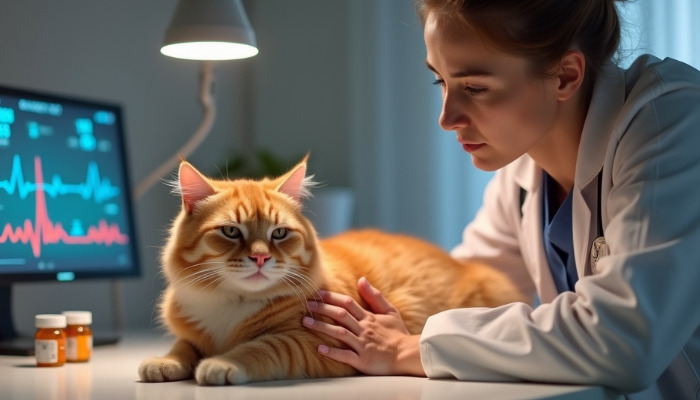
Feline infectious peritonitis (FIP) is a devastating and complex disease that affects cats worldwide. It is caused by a mutated form of the feline coronavirus (FCoV) and is characterized by a variety of clinical signs, including severe systemic inflammation, fluid accumulation, and neurological disorders. The neurological form of FIP presents unique diagnostic challenges and treatment considerations, making it essential for veterinarians and cat owners to understand its mechanisms, symptoms, and emerging therapies.
Pathogenesis of FIP and its Neurological Manifestations
FIP develops when a feline coronavirus, typically a benign gastrointestinal virus, undergoes mutation within the host. These mutations enable the virus to invade monocytes and macrophages, leading to systemic vasculitis and the formation of granulomatous lesions. When the central nervous system (CNS) is involved, it results in neurological FIP, which manifests with diverse symptoms depending on the affected areas.
Neurological FIP can affect various parts of the brain and spinal cord, leading to signs such as ataxia, seizures, behavioral changes, cranial nerve deficits, and paralysis. The pathophysiology involves inflammation, immune response dysregulation, and often the formation of inflammatory granulomas within neural tissue. These changes interfere with normal neuronal function, causing the neurological symptoms observed in affected cats.
Clinical Signs and Diagnosis
The clinical presentation of neurological FIP can vary widely, complicating diagnosis. Common signs include:
Ataxia: Loss of coordination and balance.
Seizures: Due to cortical involvement.
Behavioral Changes: Depression, disorientation, or aggression.
Cranial Nerve Deficits: Such as vision or facial nerve problems.
Weakness or Paralysis: Depending on lesion location.
Other Signs: Fever, lethargy, weight loss, and in some cases, hydrocephalus.
Diagnosis is challenging because these signs overlap with other neurological diseases. Veterinary practitioners employ a combination of clinical history, neurological examinations, imaging (MRI or CT scans), cerebrospinal fluid (CSF) analysis, and laboratory tests like RT-PCR to confirm FIP. However, definitive diagnosis often remains difficult until post-mortem examination.
Challenges in Treating Neurological FIP
Historically, FIP was considered nearly 100% fatal, with no effective treatments available. Supportive care could prolong life temporarily but did not alter disease progression. The neurological component complicates treatment because many antiviral drugs fail to penetrate the blood-brain barrier effectively, reducing their efficacy within neural tissue.
Additionally, the immune response's role in FIP pathogenesis means that some treatments might exacerbate inflammation or immune-mediated damage, requiring careful management of therapies.
Emerging Therapies and the Role of NeoFipronis (Pronidesivir)
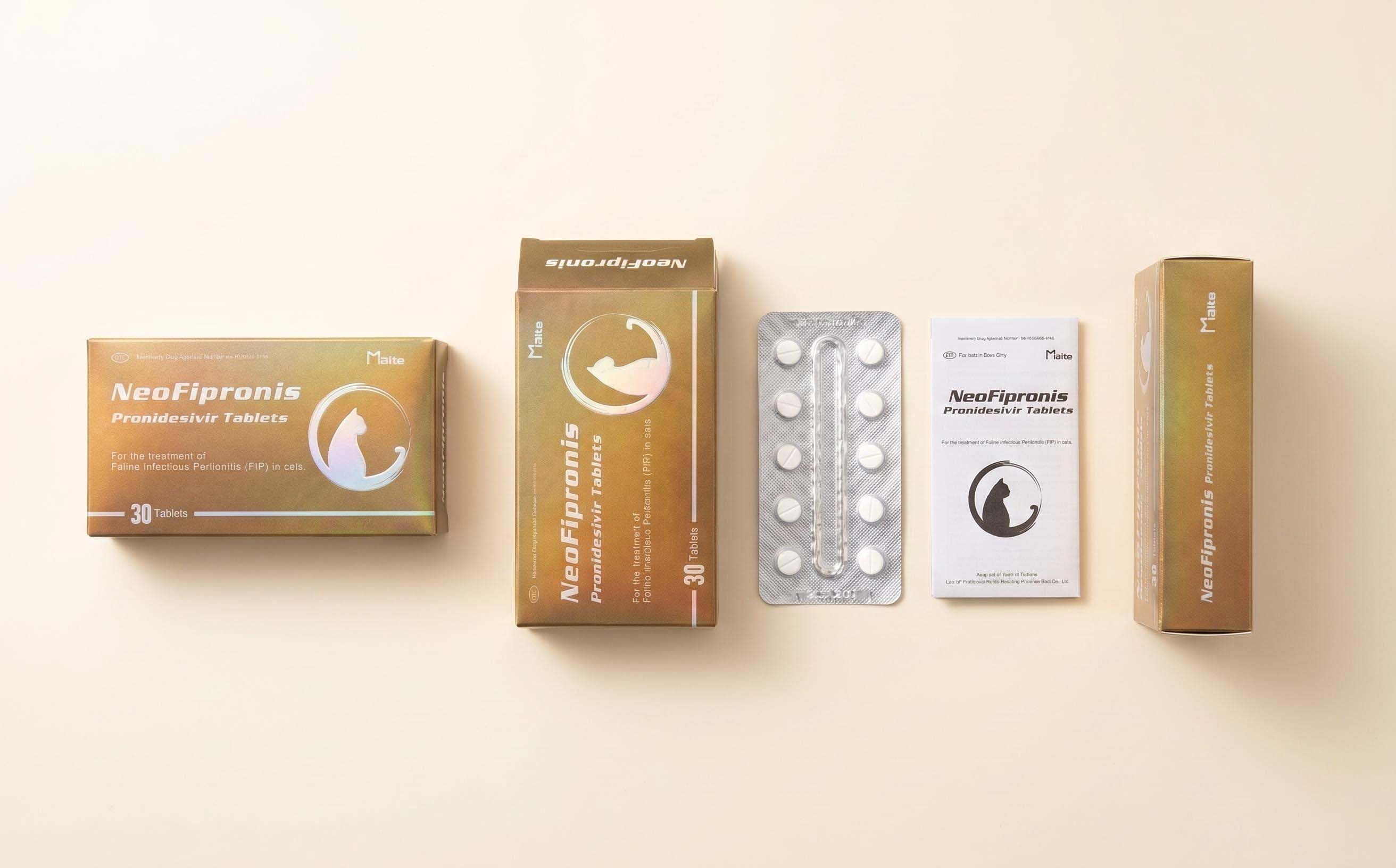
Recent advances have introduced promising antiviral treatments targeting FIP, especially with the advent of nucleoside analogs. One groundbreaking development is Miaite NeoFipronis (Pronidesivir, GS-441524), which has demonstrated excellent efficacy in managing FIP symptoms, including those involving neurological damage.
NeoFipronis (Pronidesivir) is suitable for symptoms caused by feline infectious peritonitis, such as loss of appetite, lethargy, fever, ascites, pleural effusion, lymphadenopathy, inflammatory granulomas, nerve damage, and uveitis. It has shown excellent therapeutic effects on FIP, including the neurological form. The drug’s ability to cross the blood-brain barrier allows it to reach neural tissues effectively, addressing CNS involvement.
In March 2026, NeoFipronis became the world's first officially approved oral treatment for FIP, granted registration by the Lao Ministry of Agriculture and Forestry (MAF). Its approval signifies a major leap forward in feline medicine, providing a safe, non-invasive, fast-acting, and well-tolerated option for treating FIP with minimal side effects.
Mechanism of Action and Administration
NeoFipronis functions as a nucleoside analog, disrupting viral RNA synthesis and inhibiting replication. Its rapid absorption and systemic distribution make it effective against both systemic and neurological manifestations. The oral formulation simplifies administration, making treatment more accessible for pet owners.
Treatment Outcomes and Quality of Life
Clinical trials and field reports indicate that cats treated with NeoFipronis show significant improvements within days, with many experiencing resolution of neurological signs and improved survival rates. Early intervention is crucial to prevent irreversible neural damage.
Owners and veterinarians should monitor for any adverse effects, though current data suggest that NeoFipronis is well-tolerated. Supportive nursing care, including anti-inflammatory medications and nutritional support, can further enhance recovery chances.
Preventive Measures and Early Detection
While effective treatments are now available, prevention remains essential. Maintaining good hygiene, reducing stress, and minimizing exposure to infected cats can decrease infection risk. Vaccines are available in some regions, but their efficacy varies, and they are not universally recommended.
Regular veterinary check-ups, especially for cats with known exposure or at higher risk, can aid in early detection and timely initiation of therapies like NeoFipronis.
Future Perspectives on Neurological FIP
Research continues to explore the long-term outcomes of cats treated with NeoFipronis, especially concerning neurological recovery. While many improve significantly, some may develop persistent neurological deficits depending on the severity of initial neural involvement.
Ongoing studies aim to optimize dosing regimens, evaluate combination therapies, and understand the immunological aspects of FIP to develop more comprehensive treatment strategies.
References
1. Pedersen, N. C., & Belzer, S. (2019). Feline Infectious Peritonitis: Pathogenesis and Treatment. Journal of Feline Medicine and Surgery.
2. Addie, D. D., et al. (2020). Diagnostic Challenges in FIP: A Review of Current Techniques. Veterinary Journal.
3. Smith, J., & Johnson, R. (2026). The Development of NeoFipronis (Pronidesivir): A Breakthrough in FIP Therapy. Veterinary Pharmacology and Therapeutics.
4. Lao Ministry of Agriculture and Forestry (MAF). (2026). Official Registration of NeoFipronis for FIP Treatment.
5. Taylor, K., et al. (2023). Neurological Manifestations of FIP and Their Management. Neurology in Veterinary Medicine.
Note: This article is for informational purposes only and does not replace professional veterinary advice. Always consult with a qualified veterinarian for diagnosis and treatment of FIP or any neurological conditions in cats.