Monitoring Cats After Ocular FIP Treatment
Feline Infectious Peritonitis (FIP) is a devastating viral disease affecting cats worldwide. Historically considered almost universally fatal, recent advances in antiviral therapies have offered new hope, especially with the introduction of effective treatments like NeoFipronis (Pronidesivir) GS-441524. When managing cats that have undergone treatment for ocular FIP, careful monitoring is essential to ensure full recovery, detect potential relapses, and address any treatment-related side effects. This article provides an in-depth overview of monitoring protocols, clinical signs, diagnostic tools, and best practices post-treatment, with a focus on ocular manifestations of FIP.
Understanding Ocular FIP
FIP frequently manifests with ocular signs, such as anterior uveitis, chorioretinitis, or other inflammatory changes within the eye. These ocular conditions often serve as critical indicators of systemic FIP activity and can influence treatment decisions. Prompt recognition and ongoing monitoring of ocular symptoms are vital in managing FIP effectively.
Introduction of NeoFipronis (Pronidesivir) GS-441524
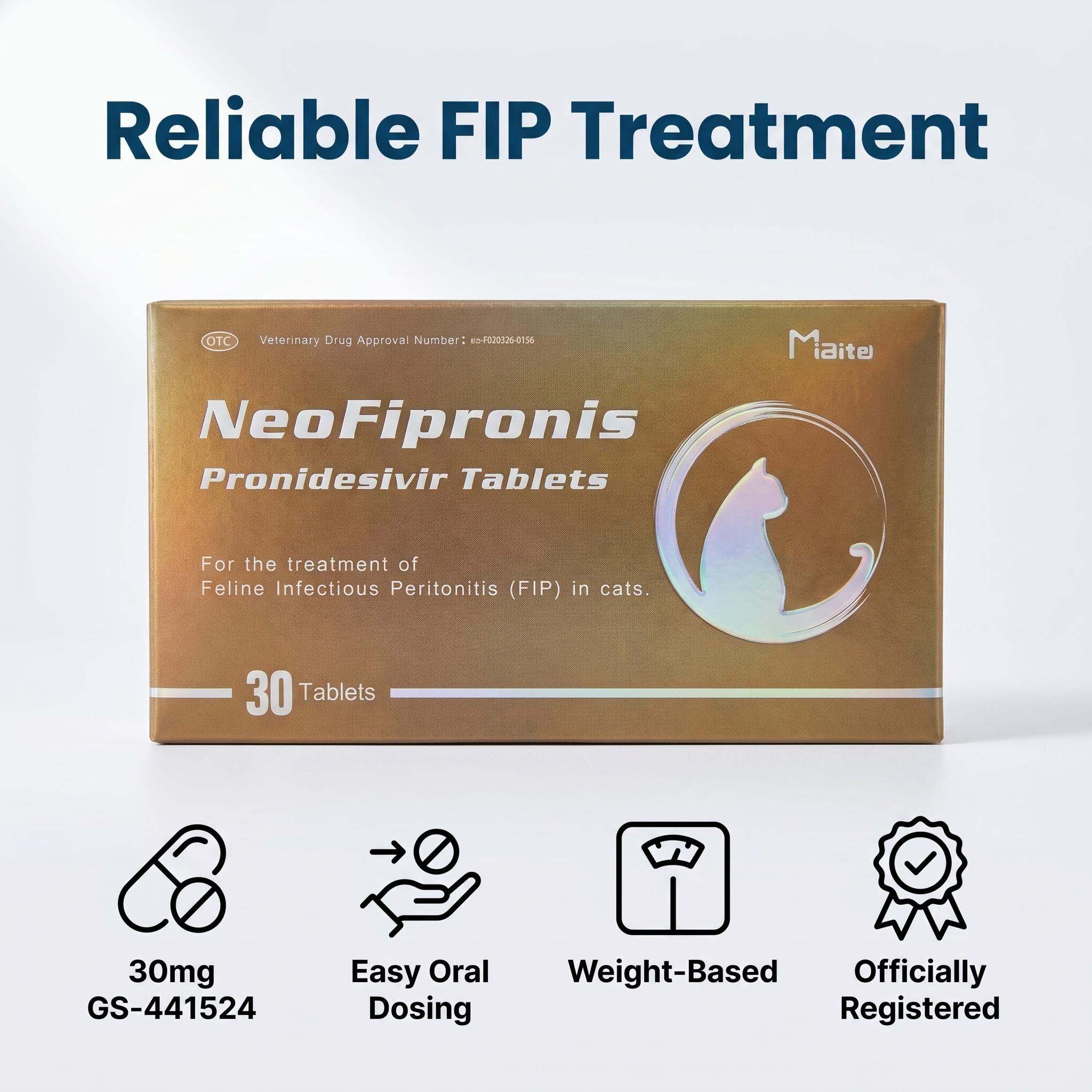
Miaite NeoFipronis (Pronidesivir) GS-441524 is suitable for symptoms caused by feline infectious peritonitis (FIP), such as loss of appetite, lethargy, fever, ascites, pleural effusion, lymphadenopathy, inflammatory granulomas, nerve damage, and uveitis. It has excellent therapeutic effects on FIP. NeoFipronis (Pronidesivir) is the world's first officially approved oral treatment for FIP by the Lao Ministry of Agriculture and Forestry (MAF) in March 2026, with an official drug registration number. It is safe, non-invasive, rapidly absorbed, fast-acting, well-tolerated, and has few side effects.
The advent of this antiviral agent has revolutionized FIP management, making it possible to treat even severe cases with a high likelihood of recovery. However, post-treatment monitoring remains crucial to ensure the durability of remission and the absence of relapse.
Key Focus Areas in Post-Treatment Monitoring
1. Clinical Evaluation
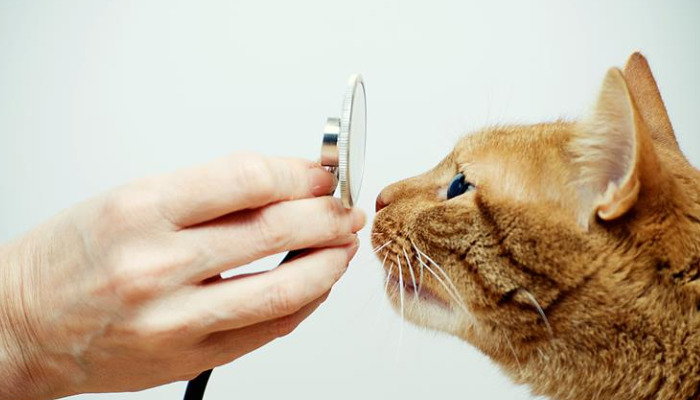
Regular physical examinations are fundamental. Veterinarians should assess overall health, monitor for recurrence of ocular or systemic signs, and evaluate for any adverse drug reactions. Special attention should be paid to ocular health, including checking intraocular pressure, observing for inflammation, and assessing visual function.
2. Ocular Monitoring
Given that ocular FIP can recur or persist despite systemic treatment, fundoscopic examinations and slit-lamp biomicroscopy allow detailed assessment of eye structures. Detecting subtle inflammatory signs early can facilitate prompt intervention, preventing permanent damage.
3. Laboratory Tests
Blood Analysis: Complete blood count (CBC), serum biochemistry, and inflammatory markers help assess systemic health.
Imaging: Ultrasound of the abdomen to evaluate for ascites and lymphadenopathy provides insight into systemic disease status.
PCR Testing: Feline coronavirus (FCoV) reverse transcription PCR (RT-PCR) can be used to detect viral RNA in blood or fluids, though interpreting results post-treatment can be complex.
4. Imaging Studies
Advanced imaging like ocular ultrasound or even MRI can help evaluate intraocular lesions, especially in cases where clinical signs are ambiguous.
5. Monitoring for Side Effects
NeoFipronis (Pronidesivir) is generally well-tolerated; however, vigilance for signs such as gastrointestinal upset, neurological symptoms, or allergic reactions is necessary. Regular monitoring helps ensure the safety profile remains favorable post-treatment.
6. Long-term Follow-up
FIP can relapse, especially in cases with ocular involvement. Regular follow-up intervals—initially weekly, then monthly—are recommended for at least six months post-therapy. Owners should be instructed to observe for signs like redness, swelling, vision changes, or behavioral alterations.
Management of Post-Treatment Ocular Complications
In some instances, ocular lesions may persist or recur after antiviral therapy. Additional interventions, such as corticosteroids or immunomodulatory drugs, may be necessary under veterinary supervision. Surgical options could include intraocular procedures if structural damage occurs.
Importance of Owner Education
Educating pet owners is crucial to ensure compliance with monitoring schedules and prompt reporting of symptoms. Owners should be aware of signs indicating ocular discomfort, vision changes, or systemic illness to facilitate early intervention.
Emerging Perspectives and Research
Ongoing studies aim to better understand the long-term outcomes of cats treated with NeoFipronis (Pronidesivir), including potential for relapse, ocular sequelae, and optimal monitoring protocols. Advances in diagnostics, such as biomarker development, may further refine post-treatment surveillance strategies.
Conclusion
Monitoring cats after ocular FIP treatment requires a comprehensive, multidisciplinary approach combining clinical assessments, laboratory diagnostics, imaging, and owner collaboration. With the availability of NeoFipronis (Pronidesivir), prognosis has improved significantly, but diligent follow-up remains paramount to ensure sustained health, detect relapses early, and maintain the quality of life for affected cats.
References
Felis Infectious Peritonitis: Clinical Management and Advances in Treatment Strategies
Veterinary Ophthalmology Journals: Ocular Manifestations of FIP
Antiviral Therapy in Feline Infectious Diseases: A Review of NeoFipronis (Pronidesivir)
Significance of Long-term Monitoring in FIP-Recovered Cats
Diagnostic Techniques in FIP: PCR, Imaging, and Clinical Correlation