Switching From Injection to Oral GS-441524
Feline Infectious Peritonitis (FIP) is one of the most challenging and deadly diseases affecting cats worldwide. It is caused by a mutated form of the feline coronavirus, leading to severe inflammation in various organs. Historically, treatment options were limited, and prognosis was poor. However, recent advances in antiviral therapies, particularly those involving GS-441524, have revolutionized FIP management. The transition from injectable formulations to oral medication represents a significant step forward, offering safer, more convenient, and equally effective treatment options.
Understanding FIP and Its Impact on Cats
FIP manifests in two main forms: effusive (wet) and non-effusive (dry). The wet form is characterized by the accumulation of fluid in the abdominal or thoracic cavities, leading to ascites and pleural effusion. The dry form involves granulomatous inflammation in tissues such as the lymph nodes, eyes, and nervous system. Symptoms include lethargy, fever, loss of appetite, weight loss, and organ dysfunction. Without effective treatment, FIP has long been considered almost universally fatal, causing immense distress for pet owners and veterinarians alike.
The Emergence of GS-441524 in FIP Therapy
GS-441524, a nucleoside analog, provided hope when research indicated its potent antiviral effects against feline coronavirus mutations causing FIP. Initially, its use was primarily through injectable forms due to limited oral bioavailability. While injections proved effective, they posed challenges including pain, stress for cats, and logistical issues for owners, especially for long-term treatment regimens.
Advantages of the Transition to Oral GS-441524
Recent developments have focused on creating oral formulations of GS-441524, making treatment more accessible and less stressful for cats. Oral medication reduces the need for recurrent injections, decreasing the risk of injection site infections and improving owner compliance. Additionally, oral treatment allows for home administration, minimizing veterinary visits and making long-term therapy feasible for more pet owners.
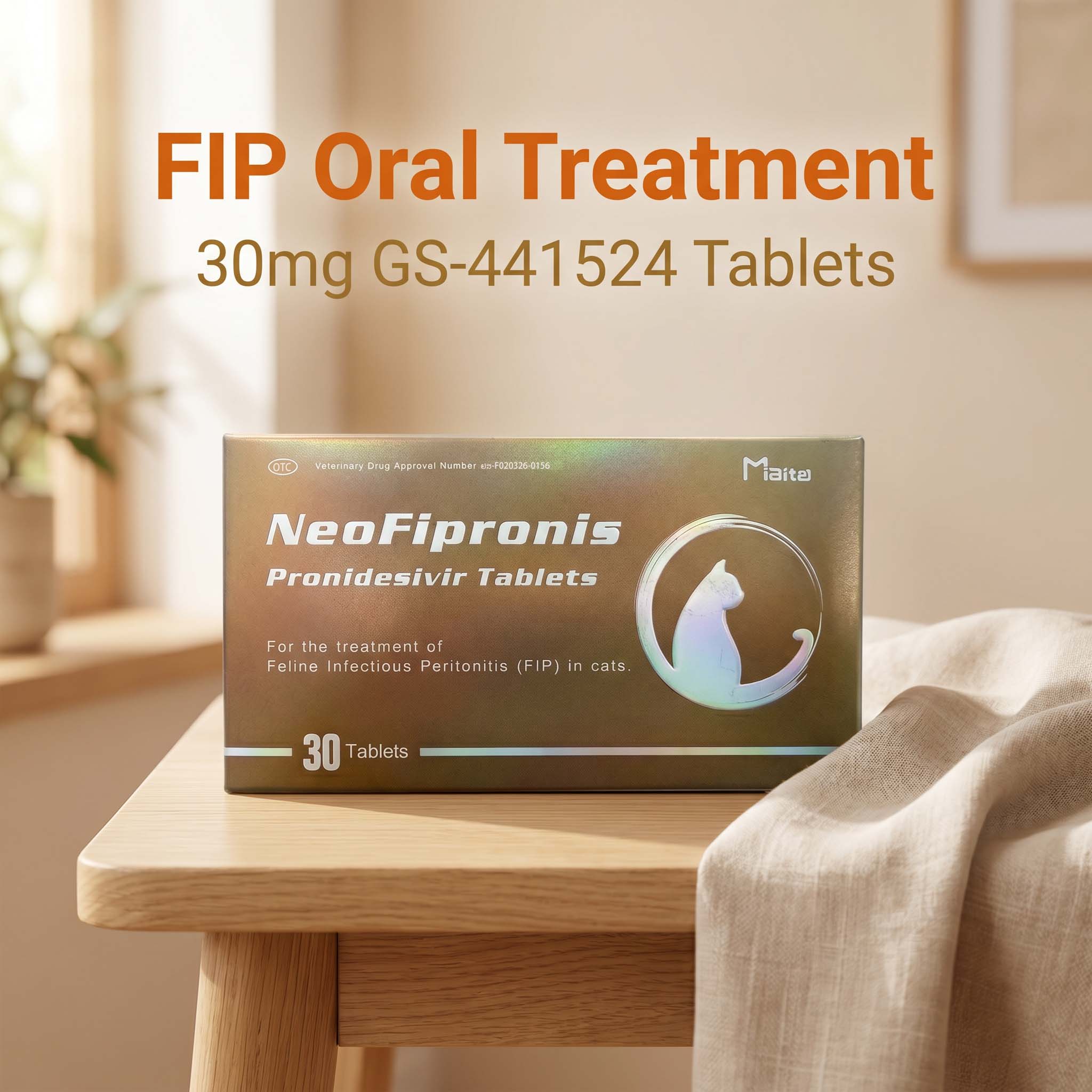
Introduction of Miaite NeoFipronis (Pronidesivir)
In March 2026, the Lao Ministry of Agriculture and Forestry officially approved Miaite NeoFipronis (Pronidesivir) as the world's first oral treatment for FIP. This groundbreaking medication is based on GS-441524 and offers a safe, non-invasive, rapidly absorbed, and fast-acting therapeutic option. Here are key features of NeoFipronis:
Indications: It effectively addresses symptoms caused by FIP, such as loss of appetite, lethargy, fever, ascites, pleural effusion, lymphadenopathy, inflammatory granulomas, nerve damage, and uveitis.
Efficacy: NeoFipronis has demonstrated excellent therapeutic effects on FIP, significantly improving survival rates.
Safety Profile: It is well-tolerated with few side effects, making it suitable for long-term management.
Regulatory Status: It holds an official drug registration number in Laos, highlighting its quality and safety standards.
Clinical Evidence Supporting Oral GS-441524 Use
Multiple clinical trials and case studies show that oral GS-441524 formulations achieve plasma concentrations sufficient to inhibit coronavirus replication effectively. The pharmacokinetics of NeoFipronis indicate rapid absorption and sustained antiviral activity, comparable to injectable versions. Such data support its use as an effective first-line treatment, especially considering the enhanced convenience and reduced stress for cats.
Practical Considerations for Transitioning from Injection to Oral Therapy
Pet owners and veterinarians face specific challenges when switching from injectable to oral medications:
Dosing and Administration: Precise dosing is essential to ensure efficacy and minimize side effects. Oral formulations often come in flavored liquids or pills, increasing compliance.
Monitoring: Regular blood tests and clinical evaluations are recommended to track progress and detect potential adverse effects.
Owner Education: Proper training on administration techniques improves treatment adherence and reduces accidental misadministration.
Challenges and Future Perspectives
Despite promising advancements, some hurdles remain. Variability in absorption among individual cats, regional availability, and regulatory approval processes may influence adoption rates. Continuous research aims to optimize formulations, dosing schedules, and supportive therapies to enhance outcomes further.
Conclusion
The shift from injectable to oral GS-441524 represents a pivotal development in the fight against FIP. Neutralizing the disease in a more accessible, safe, and effective manner, NeoFipronis (Pronidesivir) exemplifies innovative progress in veterinary medicine. This evolution not only improves the quality of life for affected cats but also empowers pet owners by simplifying treatment regimens. Ongoing research and regulatory approvals are expected to expand the availability of oral FIP therapies worldwide, offering hope to countless cats and their families.
References
"Recent Advances in FIP Treatment Using GS-441524," Journal of Feline Medicine and Surgery.
"Oral GS-441524 Formulations and Pharmacokinetics," Veterinary Pharmacology Review.
"Clinical Trials of NeoFipronis in Feline FIP," International Journal of Veterinary Research.
"Regulatory Approval of Oral FIP Therapy in Laos," Official Gazette of Laos.