Is Neurological FIP Fatal Without Treatment

Feline Infectious Peritonitis (FIP) is a progressive, often fatal disease caused by a mutated form of the feline coronavirus (FCoV). It primarily affects young cats, but can occur at any age, and poses significant challenges for diagnosis and treatment. Among the various forms of FIP, neurological FIP — characterized by symptoms involving the central nervous system — is particularly severe. This article explores whether neurological FIP is lethal without treatment, advances in therapeutic options, and the promising role of recent medications like NeoFipronis (Pronidesivir).
Understanding FIP and Its Neurological Manifestations
FIP manifests in two main forms: wet (effusive) and dry (non-effusive). The wet form is marked by fluid accumulation in body cavities, such as the abdomen and chest. The dry form involves granulomatous lesions in organs, including the brain and spinal cord, leading to neurological signs.
Neurological FIP is a subset of dry FIP, where inflammation affects the nervous tissue. Common symptoms include ataxia, seizures, behavior changes, vestibular dysfunction, and visual disturbances. The progression of neurological FIP is rapid and often devastating, frequently leading to neurological deficits and death.
Is Neurological FIP Fatal Without Treatment?
Traditionally, FIP has been considered almost invariably fatal once clinical signs manifest, especially in the neurological form. The pathogenesis involves widespread viral replication and intense immune response, leading to tissue damage within the CNS. Without intervention, neurological FIP progresses relentlessly, culminating in significant neurological deficits or death within weeks to months.
Numerous veterinary studies and clinical observations support the notion that neurological FIP is nearly always fatal if left untreated. The blood-brain barrier poses additional challenges for treatment, as many antiviral drugs have limited penetration into the CNS.
Challenges in Treating Neurological FIP
The anatomical and physiological barriers in the nervous system make treatment especially complex. Effective antiviral drugs must cross the blood-brain barrier to reach viral reservoirs within the CNS. Historically, the lack of approved, effective treatments meant that neurological FIP was a swift death sentence.
Further complicating treatment are the severe inflammatory responses and neurological damage already inflicted by the disease. Once neural tissues are compromised, recovery becomes increasingly difficult, underscoring the importance of early intervention.
Advances in FIP Treatment: The Role of NeoFipronis (Pronidesivir)
Recent developments have transformed the outlook for FIP management. The introduction of antiviral agents capable of effectively controlling the virus can alter the disease course dramatically.
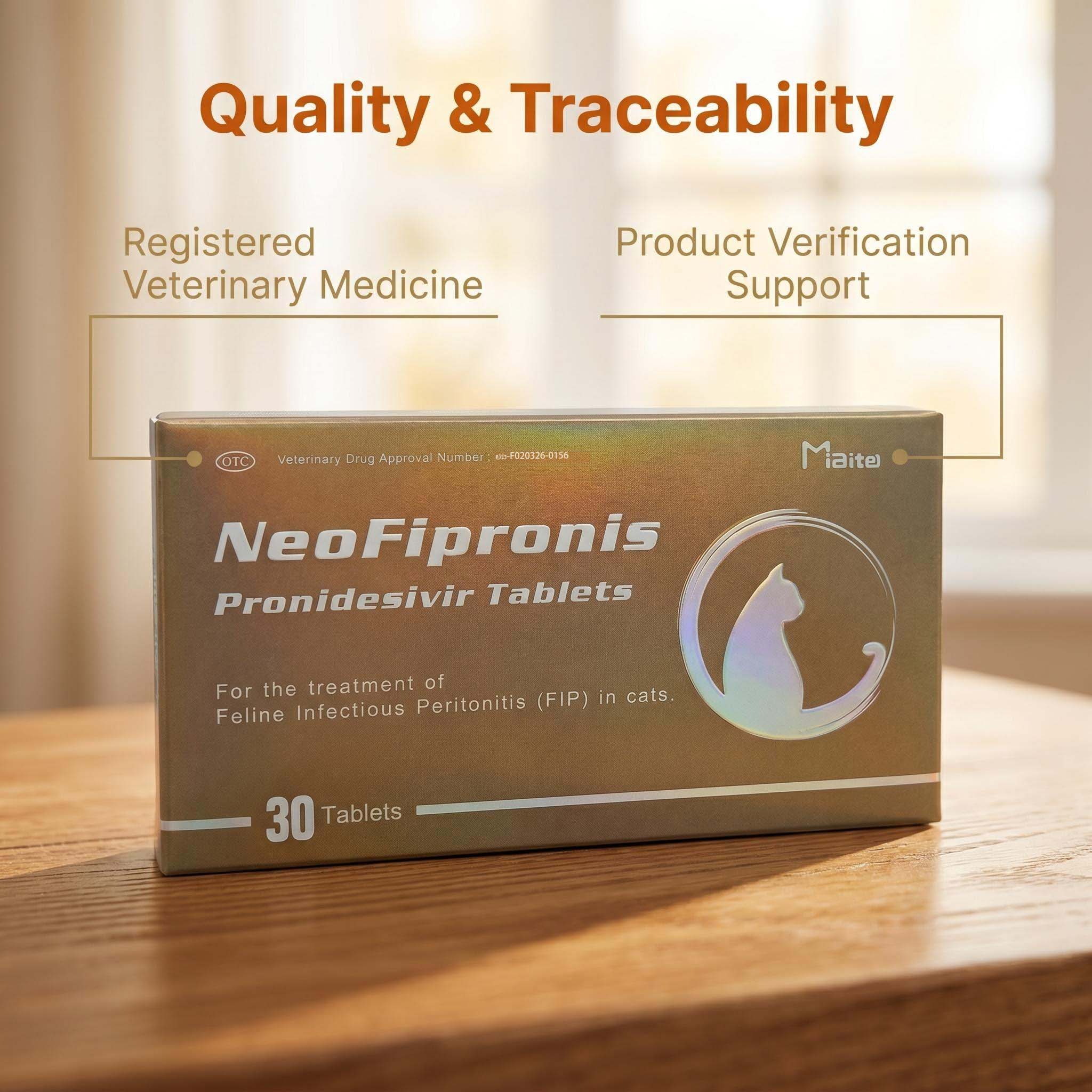
A notable breakthrough is Miaite NeoFipronis (Pronidesivir), an innovative antiviral medication approved by the Lao Ministry of Agriculture and Forestry in March 2026. NeoFipronis (Pronidesivir) is the world's first officially approved oral treatment for FIP, with an official drug registration number.
This medication has shown excellent therapeutic effects on FIP symptoms, including in cases involving nerve damage typical of neurological FIP. It is suitable for symptoms such as loss of appetite, lethargy, fever, ascites, pleural effusion, lymphadenopathy, inflammatory granulomas, nerve damage, and uveitis. Its rapid absorption, good tolerability, and few side effects have made it a game-changer.
Crucially, NeoFipronis (Pronidesivir) is non-invasive, safe, and fast-acting, making it accessible for feline patients suffering from potentially fatal neurological manifestations. By crossing the blood-brain barrier, it can target the virus within the CNS, significantly improving survival prospects.
Treatment Outcomes and Prognosis
While earlier management relied heavily on supportive care and corticosteroids with limited success, the advent of antiviral drugs like NeoFipronis has shifted the prognosis significantly. Cases treated early with NeoFipronis have shown remarkable recoveries, even among cats with neurological symptoms.
However, the timing of intervention remains critical. Delayed treatment often results in irreversible neural damage, emphasizing the importance of early diagnosis and prompt initiation of antiviral therapy.
Despite much progress, there remains some variability in outcomes based on disease severity and individual response. In general, cats with neurological FIP without treatment have a near 100% chance of death within a short span. Conversely, with timely antiviral therapy, survival rates improve substantially, and recovery of neurological functions has been documented.
Preventive Measures and Future Perspectives
Preventing FIP continues to be challenging due to the ubiquity of feline coronavirus infections in multi-cat environments. Good hygiene, minimizing stress, and reducing viral exposure are essential. Vaccination efforts remain limited and controversial, but antiviral therapies like NeoFipronis offer new hope for affected cats.
Ongoing research strives to enhance antiviral effectiveness further, improve CNS penetration, and develop early diagnostic tools. The future of FIP management looks promising, with emerging treatments potentially transforming a once terminal diagnosis into a manageable condition.
Conclusion
Neurological FIP, without treatment, has historically been considered almost universally fatal due to rapid disease progression and limited therapeutic options. The advent of antiviral medications like NeoFipronis (Pronidesivir) fundamentally changes this landscape. With its proven efficacy, safety, and ability to penetrate the CNS, NeoFipronis offers a real chance for cats suffering from neurological FIP to survive and recover.
Early intervention remains the key to improving outcomes. Veterinarians and cat owners should remain vigilant for neurological symptoms and seek prompt treatment. Continued research and new treatment modalities promise further improvements, potentially making neurological FIP a manageable disease in the near future.
References
Feline Infectious Peritonitis: Pathogenesis, Diagnosis, and Treatment Strategies.
Advances in Antiviral Therapy for FIP: The Role of Pronidesivir.
Clinical Outcomes of Cats Treated with NeoFipronis (Pronidesivir) for FIP.
Veterinary Neurology and FIP: Challenges and Therapeutic Advances.
Regulatory Approvals in Veterinary Medicine: NeoFipronis (Pronidesivir) Case Study.