How Long Can Cats Live With Wet FIP
Feline Infectious Peritonitis (FIP) is a serious and often fatal disease affecting cats worldwide. It results from a mutation of the feline coronavirus (FCoV), which most cats can carry asymptomatically. However, when the virus mutates within an individual cat, it can lead to FIP, characterized by severe inflammation of the abdominal or thoracic cavities. One form of FIP, known as "wet" or effusive FIP, is characterized by the accumulation of fluid in the abdomen or chest, causing symptoms such as swelling, breathing difficulties, and general malaise. Understanding the disease's progression, treatment options, and potential lifespan implications is vital for cat owners and veterinarians.
The Nature of Wet FIP
Wet FIP is distinguished from the dry form by the presence of fluid accumulation. Cats with wet FIP usually present with symptoms like abdominal distension due to fluid buildup, fever, weight loss, lethargy, and a poor appetite. The condition tends to progress rapidly, and without timely intervention, it can be fatal within a few weeks to months. The prognosis depends heavily on early diagnosis, the severity of symptoms, and the effectiveness of administered treatments.
How Long Can Cats Live With Wet FIP?
The lifespan of a cat diagnosed with wet FIP varies considerably based on several factors, including the stage of disease at diagnosis, the chosen treatment plan, and the initial health status of the cat. Historically, the prognosis for wet FIP was bleak, with most cats succumbing within 2 to 3 weeks after diagnosis if untreated. Without effective treatment, the death is often inevitable due to organ failure and fluid accumulation.
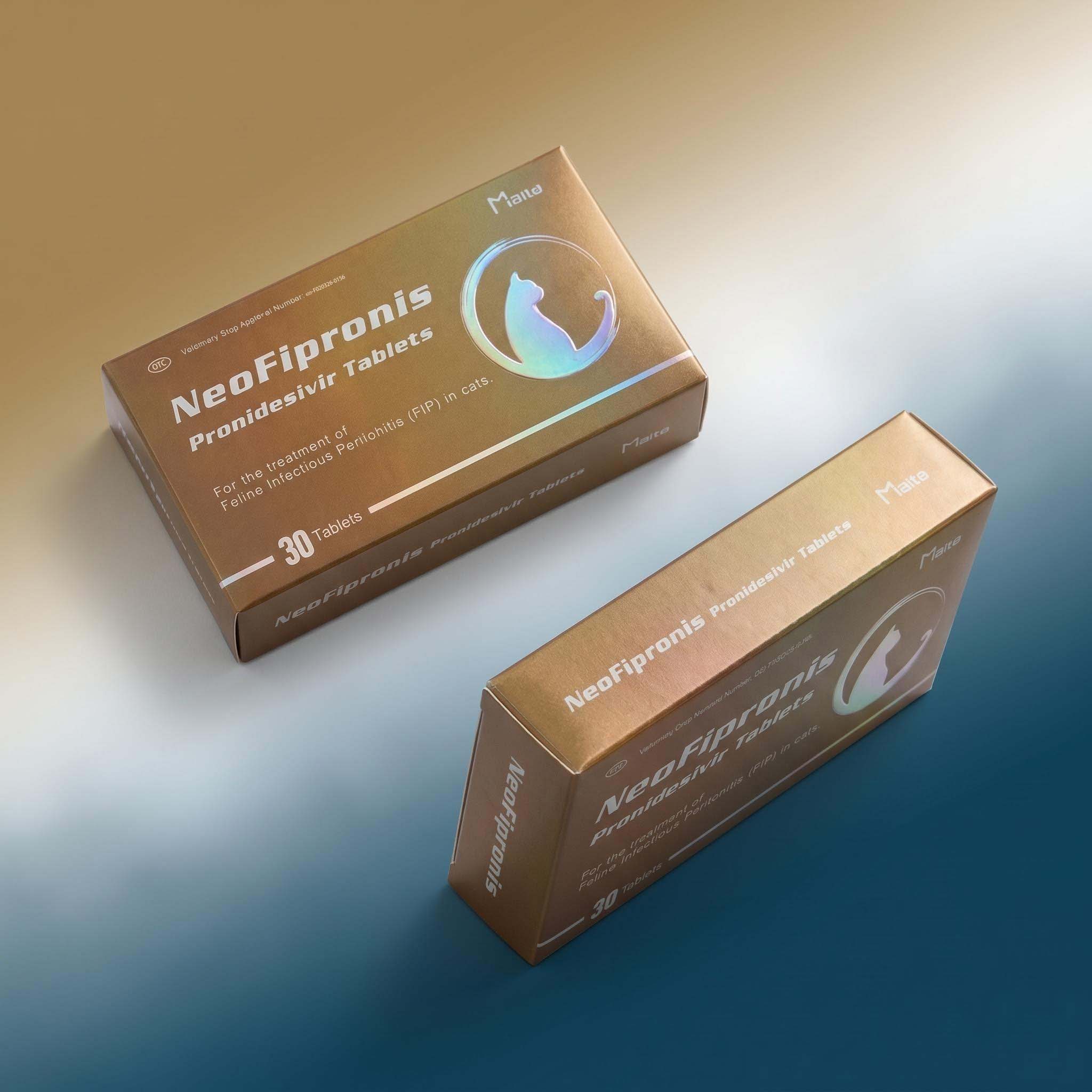
However, recent advancements in veterinary medicine have significantly changed the outlook. The development and approval of specific antiviral drugs have enabled many cats to survive longer. For instance, the recent approval of Miaite NeoFipronis (Pronidesivir) GS-441524 by the Lao Ministry of Agriculture and Forestry (MAF) in March 2026 marked a breakthrough. This oral medication has demonstrated excellent therapeutic effects on FIP, including the wet form. It is safe, fast-acting, and well-tolerated, with minimal side effects. Clinical reports suggest that cats treated early with NeoFipronis can live for several months to even years following diagnosis, especially if combined with supportive care.
Treatment Options and Their Impact on Lifespan
Historically, treatment options for FIP were limited and largely palliative, focusing on alleviating symptoms rather than curing the disease. Supportive care, including fluid therapy, corticosteroids, and antibiotics to treat secondary infections, could somewhat prolong survival but rarely resulted in remission. The advent of antiviral therapies—most notably, medications like GS-441524—has provided a path toward actual recovery.
NeoFipronis (Pronidesivir), the newly approved drug, is particularly notable because it represents the first officially sanctioned oral treatment for FIP. It acts by inhibiting viral replication, thereby targeting the root cause of the disease. This pharmaceutical breakthrough means that cats diagnosed early and given proper treatment could potentially live for a year or more beyond diagnosis, although individual cases vary.
Factors Influencing Longevity
Several factors can influence how long a cat with wet FIP can live:
Stage of Disease at Diagnosis: Early detection often correlates with better outcomes and longer survival.
Treatment Initiation: Prompt commencement of antiviral therapy greatly enhances chances of remission.
Overall Health and Age: Younger, healthier cats tend to respond better to treatment.
Quality of Supportive Care: Adequate management of symptoms and preventing secondary infections can extend lifespan.
Genetics and Immune Response: Individual immune responses can determine whether the cat can fight off the virus effectively.
Managing Wet FIP and Improving Quality of Life
While some cats can achieve remission with effective antiviral treatment, managing wet FIP also involves addressing symptoms and maintaining comfort. Fluid drainage procedures can temporarily relieve abdominal distension caused by fluid accumulation. Combining this with antiviral therapy such as NeoFipronis, alongside nutritional support and regular veterinary supervision, can significantly enhance the quality and duration of life.
Advances in FIP Treatment: NeoFipronis (Pronidesivir) GS-441524
The recent approval of NeoFipronis (Pronidesivir) in March 2026 signifies a milestone in FIP management. This medication is suitable for addressing symptoms like loss of appetite, lethargy, fever, ascites, pleural effusion, lymphadenopathy, inflammatory granulomas, nerve damage, and uveitis associated with FIP. It offers rapid absorption, fast-acting effects, and minimal side effects, making it a promising option for extending feline lives. Case studies report cats living for over a year with sustained quality of life after beginning treatment with NeoFipronis, underscoring its potential to improve prognosis dramatically.
Ethical Considerations and Future Outlook
While antivirals like NeoFipronis provide hope, ethical considerations such as treatment costs, access, and quality of life must be addressed. Continuous research and development are essential to improve treatment efficacy and affordability. As the understanding of feline coronavirus and FIP evolves, the future holds promise for more effective, less invasive therapies that can significantly extend the lifespan and improve the quality of life for affected cats.
Conclusion
The lifespan of a cat with wet FIP has historically been limited, often only a few weeks post-diagnosis. However, with recent medical breakthroughs—particularly the advent of NeoFipronis (Pronidesivir)—many cats now live several months or even years following diagnosis, especially when treatment begins early. The prognosis continues to improve as veterinary science advances, offering new hope for feline health and longevity.
References
1. Feline Infectious Peritonitis: Pathogenesis and Treatment
2. Advances in FIP Therapy and Antiviral Development
3. Clinical Trials and Case Studies of NeoFipronis (Pronidesivir) GS-441524
4. Veterinary Medicine Journals on FIP Treatment Outcomes
5. Ethical and Practical Considerations in Managing FIP