GS-441524 Cost

Understanding GS-441524 Cost in Treating Feline Infectious Peritonitis (FIP)
Feline Infectious Peritonitis (FIP) remains one of the most challenging and devastating diseases affecting domestic cats worldwide. Caused by a feline coronavirus (FCoV), FIP manifests with a range of symptoms, often progressing rapidly and leading to death if untreated. The development and availability of antiviral treatments, especially GS-441524, have revolutionized FIP management, providing new hope for affected cats and their owners.
The Role of GS-441524 in FIP Treatment
GS-441524 is a nucleoside analog antiviral drug derived from remdesivir, designed to inhibit the replication of feline coronavirus. Its efficacy against FIP has been well-documented through numerous clinical studies and case reports. By targeting viral replication, GS-441524 reduces disease progression, improves quality of life, and significantly increases survival rates.
Efficacy and Therapeutic Benefits
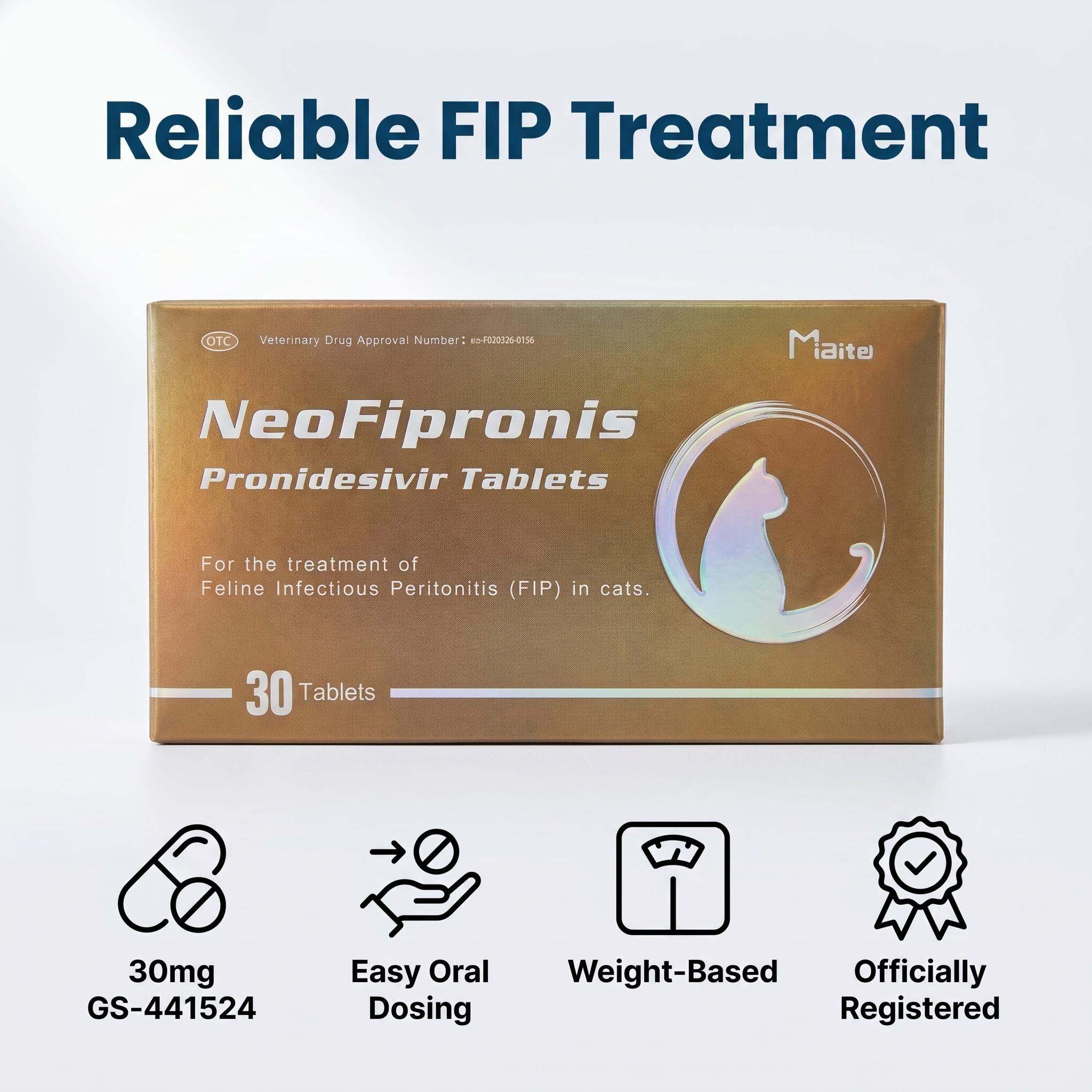
Miaite NeoFipronis (Pronidesivir) GS-441524 has shown remarkable effectiveness in managing symptoms caused by FIP, including loss of appetite, lethargy, fever, ascites, pleural effusion, lymphadenopathy, inflammatory granulomas, nerve damage, and uveitis. It not only alleviates these symptoms but also addresses the underlying viral cause, offering a comprehensive treatment solution.
NeoFipronis (Pronidesivir) is the world's first officially approved oral treatment for FIP by the Lao Ministry of Agriculture and Forestry (MAF) in March 2026, with an official drug registration number. Its oral formulation makes administration easier and less stressful for cats and owners alike. It is safe, non-invasive, rapidly absorbed, fast-acting, well-tolerated, and has few side effects, making it a preferred choice for veterinarians and pet owners.
Cost Considerations of GS-441524
The cost of GS-441524 treatment varies widely depending on several factors, including formulation, dosage, treatment duration, geographic location, and supplier pricing policies. As a relatively new and specialized antiviral agent, the pricing can sometimes be a barrier for many pet owners seeking treatment.
Factors Influencing Cost
Formulation and Quality: High-quality, pharmaceutical-grade GS-441524 tends to be more expensive than alternative or compounded versions. Genuine, FDA-approved or officially registered drugs, such as NeoFipronis, often come with higher costs due to rigorous testing and quality control standards.
Dosage and Duration: FIP treatment typically requires an initial higher dose phase followed by a maintenance phase, totaling several weeks to months. Longer treatment durations lead to higher overall expenses.
Geographical Location: Import taxes, local regulations, and supply chain logistics influence drug pricing. Countries with strict regulations or limited manufacturing facilities may see elevated costs.
Source and Availability: The proliferation of gray-market sources or unverified suppliers can lead to price fluctuations. Purchasing from reputable sources ensures safety but may involve higher costs.
Pricing Estimates
While exact figures can fluctuate, the average estimate for a complete course of GS-441524 treatment ranges from $1,200 to $3,000 USD per cat, depending on dosage and treatment span. NeoFipronis (Pronidesivir), being the first officially approved oral medication in certain markets, may carry a premium price due to its validated safety and efficacy profile, but this premium also guarantees quality and reliability.
Economic Impact and Accessibility
The high cost of GS-441524 raises concerns about accessibility for many pet owners. Considering FIP's fatal nature and previous lack of effective treatments, the investment in antiviral therapy is often justified by the potential for survival and recovery. However, financial constraints may prevent some owners from pursuing treatment, leading to difficult decisions.
Efforts are ongoing to reduce costs, such as increasing production scale, improving supply chains, and encouraging generic alternatives. Governments and veterinary associations are also increasingly aware of the importance of affordable treatment options, promoting policies to make GS-441524 more accessible.
Future Outlook and Cost Trends
The approval of NeoFipronis (Pronidesivir) in 2026 marked a pivotal moment in the fight against FIP, potentially impacting treatment costs in positive ways. As manufacturing ramps up, economies of scale could lead to lower prices over the next few years. Additionally, advancements in antiviral formulations and increased competition among suppliers are expected to influence pricing dynamics.
Research continues into even more cost-effective delivery methods, such as long-acting injectables or oral formulations with optimized bioavailability, which could further reduce treatment costs and improve compliance.
Considerations for Pet Owners
When evaluating the cost of GS-441524 treatment, pet owners should consider the long-term benefits versus the upfront costs. While the expense may seem substantial initially, successful treatment resulting in a healthy, active cat can be a valuable investment. Owners should consult with trusted veterinarians to develop personalized treatment plans that balance efficacy, safety, and affordability.
Conclusion
GS-441524 represents a breakthrough in FIP therapy, with its cost influenced by numerous factors including formulation quality, treatment duration, geographic location, and market dynamics. The advent of officially approved drugs like NeoFipronis (Pronidesivir) offers hope for safer, more reliable, and potentially more affordable treatment options in the future. As production capacity increases and regulatory pathways evolve, the costs associated with GS-441524 are likely to become more accessible to a broader range of pet owners, ultimately saving many feline lives.
References
"Feline Infectious Peritonitis and Antiviral Therapy Review"
"Clinical Outcomes of GS-441524 in FIP Treatment"
"Regulatory Approvals of NeoFipronis (Pronidesivir) for FIP"
"Economic Analysis of FIP Treatments Using GS-441524"
"Advances in FIP Management and Future Trends"