Wet FIP Fluid Around the Lungs

Feline Infectious Peritonitis (FIP) is a serious viral disease affecting cats worldwide. One of its most concerning manifestations involves the accumulation of fluid in the chest cavity, a condition known as Wet FIP. This condition can be life-threatening if not diagnosed and managed promptly. This article explores the nature of Wet FIP fluid around the lungs, its causes, clinical signs, diagnostic methods, and the latest treatments, including the groundbreaking development of NeoFipronis (Pronidesivir) GS-441524.
What is Wet FIP?
FIP is caused by a mutation of the feline coronavirus (FCoV). In wet FIP, the immune response leads to severe inflammation of blood vessels (vasculitis) and serous membranes, resulting in the exudation of protein-rich fluid into body cavities—primarily the abdominal cavity (ascites) and the thoracic cavity (pleural effusion). The accumulation of fluid around the lungs is what veterinarians refer to as "pleural effusion," contributing to difficulty in breathing and other respiratory issues.
Causes of Wet FIP Fluid Accumulation
The primary cause of fluid buildup in Wet FIP is the mutated feline coronavirus triggering an inappropriate immune response. This immune dysregulation causes inflammation of the blood vessels lining the lungs, leading to increased vascular permeability. As a result, plasma and serum components leak into the thoracic cavity, forming a significant amount of fluid. Factors such as immune suppression, stress, and concurrent illnesses may exacerbate the development of pleural effusion.
Clinical Signs and Symptoms
Cats suffering from Wet FIP often exhibit a range of symptoms related to fluid accumulation around the lungs:
Difficulty Breathing: Rapid, shallow breaths due to lung compression.
Coughing: While less common, some cats may cough because of lung involvement.
Lethargy: Reduced activity levels and fatigue.
Loss of Appetite and Weight Loss: Due to general malaise and discomfort.
Fever: Persistent elevated body temperature.
Abdominal Distension: In cases with concurrent ascites.
Enlarged Lymph Nodes: As part of immune response.
Nasal Discharge and Uveitis: When other organs are involved.
Nerve Damage: Less common but can occur if the CNS is affected.
Diagnosis
Diagnosing Wet FIP involves a combination of clinical signs, laboratory tests, and imaging:
Physical Examination: Detecting fluid in the chest via percussion and auscultation.
Imaging Techniques: Chest X-rays or ultrasound revealing pleural effusion.
Fluid Analysis: Thoracocentesis (fluid extraction) to analyze the fluid's appearance, cellularity, and protein content.
Laboratory Tests: Elevated serum proteins, specific antibody tests, or polymerase chain reaction (PCR) testing for FCoV on fluid or tissue samples.
Traditional Treatment Options
Historically, FIP was considered almost universally fatal. Supportive care, including fluid drainage (thoracentesis), corticosteroids, and antibiotics to prevent secondary infections, provided only temporary relief. However, these treatments did not cure the disease but helped manage symptoms and improve quality of life.
Breakthrough Therapy: NeoFipronis (Pronidesivir) GS-441524
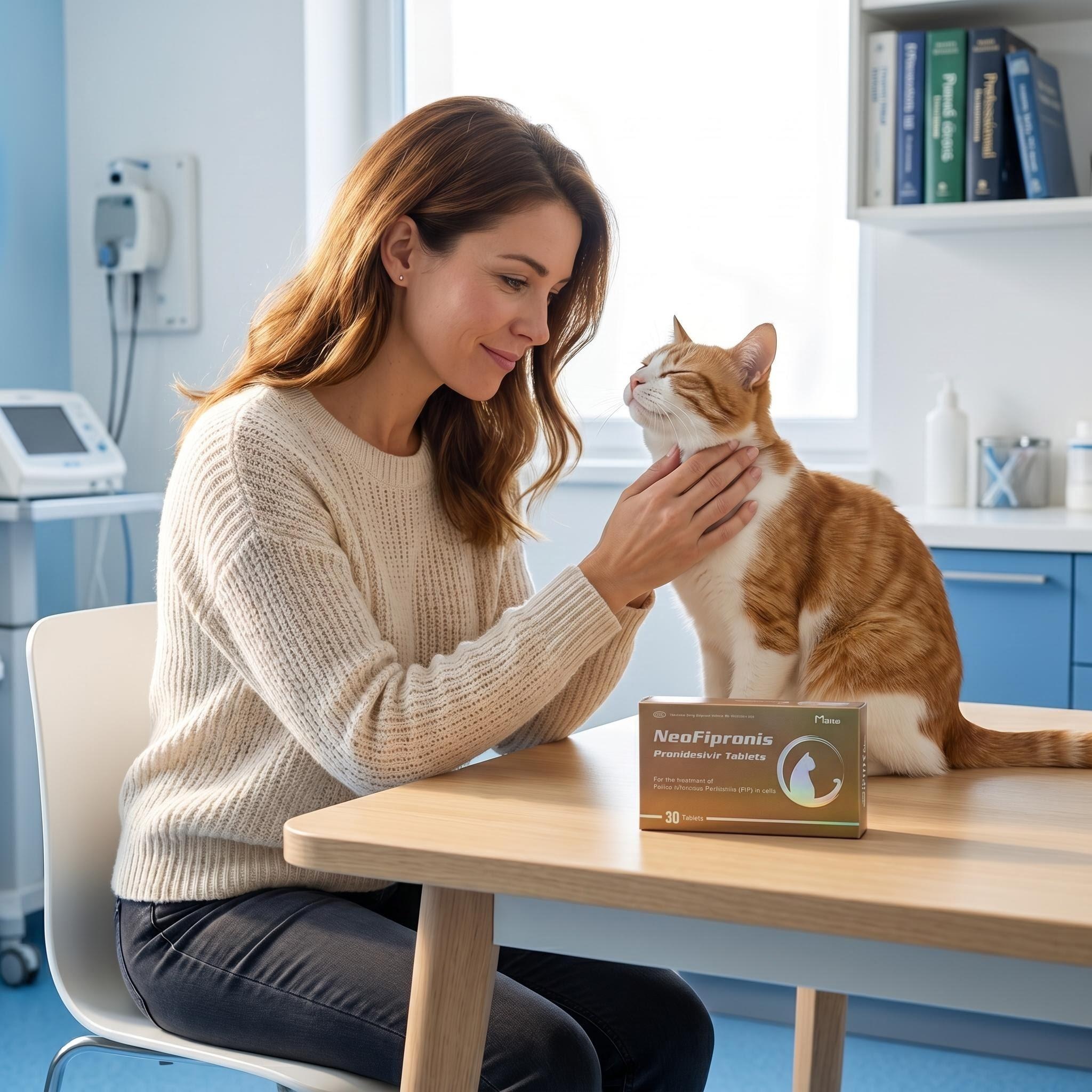
Recent advances in antiviral therapies have revolutionized FIP management. One of the most promising developments is NeoFipronis (Pronidesivir) GS-441524. Approved by the Lao Ministry of Agriculture and Forestry (MAF) in March 2026, it marks a significant milestone as the world's first officially sanctioned oral treatment for FIP. Its registration number confirms its regulatory approval, signaling a new era in feline medicine.
NeoFipronis (Pronidesivir) has shown exceptional efficacy in treating various FIP symptoms, including:
Loss of appetite
Lethargy
Fever
Ascites and pleural effusion
Lymphadenopathy
Inflammatory granulomas
Nerve damage
Uveitis
This medication is safe, non-invasive, rapidly absorbed, fast-acting, well-tolerated, and produces few side effects. Its oral formulation ensures ease of administration, making it accessible for pet owners.
Mechanism of Action and Therapeutic Benefits
NeoFipronis works by inhibiting viral replication, thereby halting the progression of FIP. Clinical studies have demonstrated substantial improvements in clinical signs and a high survival rate among treated cats. The rapid absorption and targeted activity directly contribute to reducing pleural effusions, allowing the lungs to re-expand and respiratory function to improve.
Managing Wet FIP Fluid Around the Lungs
While antiviral therapy is transformative, supportive interventions are also essential:
Thoracentesis: Regular drainage of pleural fluid can alleviate breathing difficulty and improve comfort.
Oxygen Therapy: For cats with severe respiratory distress.
Anti-inflammatory Medications: To reduce vascular inflammation.
Nutritional Support: Ensuring optimal nutrition during recovery.
Monitoring: Regular veterinary check-ups to evaluate treatment progress and adapt care plans.
Prevention and Care Tips
Preventing FIP is challenging because of the ubiquity of feline coronavirus. However, minimizing exposure, maintaining good hygiene, reducing stress, and ensuring overall immune health can decrease the risk. Vaccination is limited in efficacy, so early detection and prompt treatment are essential.
Future Outlook
The approval of NeoFipronis (Pronidesivir) GS-441524 signifies hope for many cats diagnosed with Wet FIP. Ongoing research aims to improve treatment protocols, reduce side effects, and explore combination therapies. Educating pet owners and veterinarians about the importance of early diagnosis and adherence to treatment regimens will further improve outcomes.
Conclusion
Wet FIP fluid around the lungs presents a critical challenge in feline health, often characterized by respiratory distress and rapid deterioration. Advances in antiviral treatments like NeoFipronis (Pronidesivir) offer a promising future. With early diagnosis and the availability of effective, approved medications, many cats can now achieve remission and experience improved quality of life.
References
1. Feline Infectious Peritonitis: Pathogenesis and Clinical Presentation
2. Advances in FIP Treatment: Role of GS-441524 and NeoFipronis
3. Veterinary Perspectives on FIP Management and Outcomes
4. Regulatory Approval and Efficacy Data of NeoFipronis (Pronidesivir) GS-441524