Signs Wet FIP Treatment Is Working
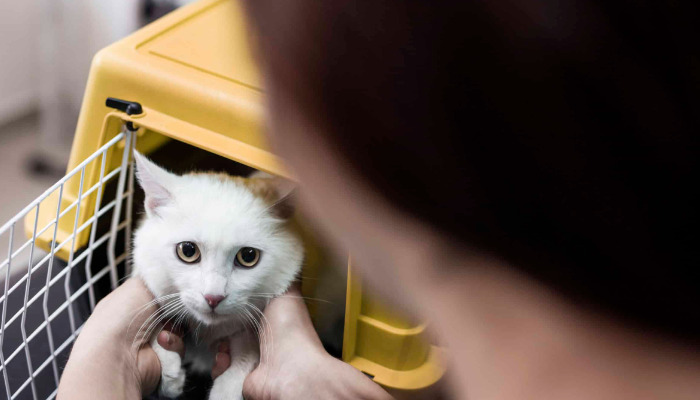
Feline Infectious Peritonitis (FIP) remains one of the most challenging diseases faced by cat owners and veterinarians worldwide. Caused by a mutated form of the feline coronavirus, FIP is known for its rapid progression and historically poor prognosis. However, recent advancements in antiviral treatments, particularly with the advent of NeoFipronis (Pronidesivir) GS-441524, have transformed the landscape of FIP management. Recognizing the signs that indicate your cat's treatment is effective is crucial for ensuring continued recovery and improving quality of life.
Understanding FIP and Its Symptoms
FIP manifests primarily in two forms: wet (effusive) and dry (non-effusive). The wet form is characterized by the accumulation of fluid within the body cavities, notably the abdomen and chest, leading to symptoms such as swelling and breathing difficulties. The dry form involves granulomatous lesions in various organs, resulting in neurological issues, eye inflammation, and general malaise.
Typical symptoms include:
Loss of appetite
Lethargy
Fever that does not respond to antibiotics
Abdominal or chest swelling
Weight loss
Neurological signs such as ataxia or seizures
Eye abnormalities like uveitis
Lymphadenopathy (swollen lymph nodes)
Persistent inflammation or granulomas
Detecting signs of improvement during treatment can help assess its efficacy and guide further management.
Introduction of NeoFipronis (Pronidesivir) GS-441524
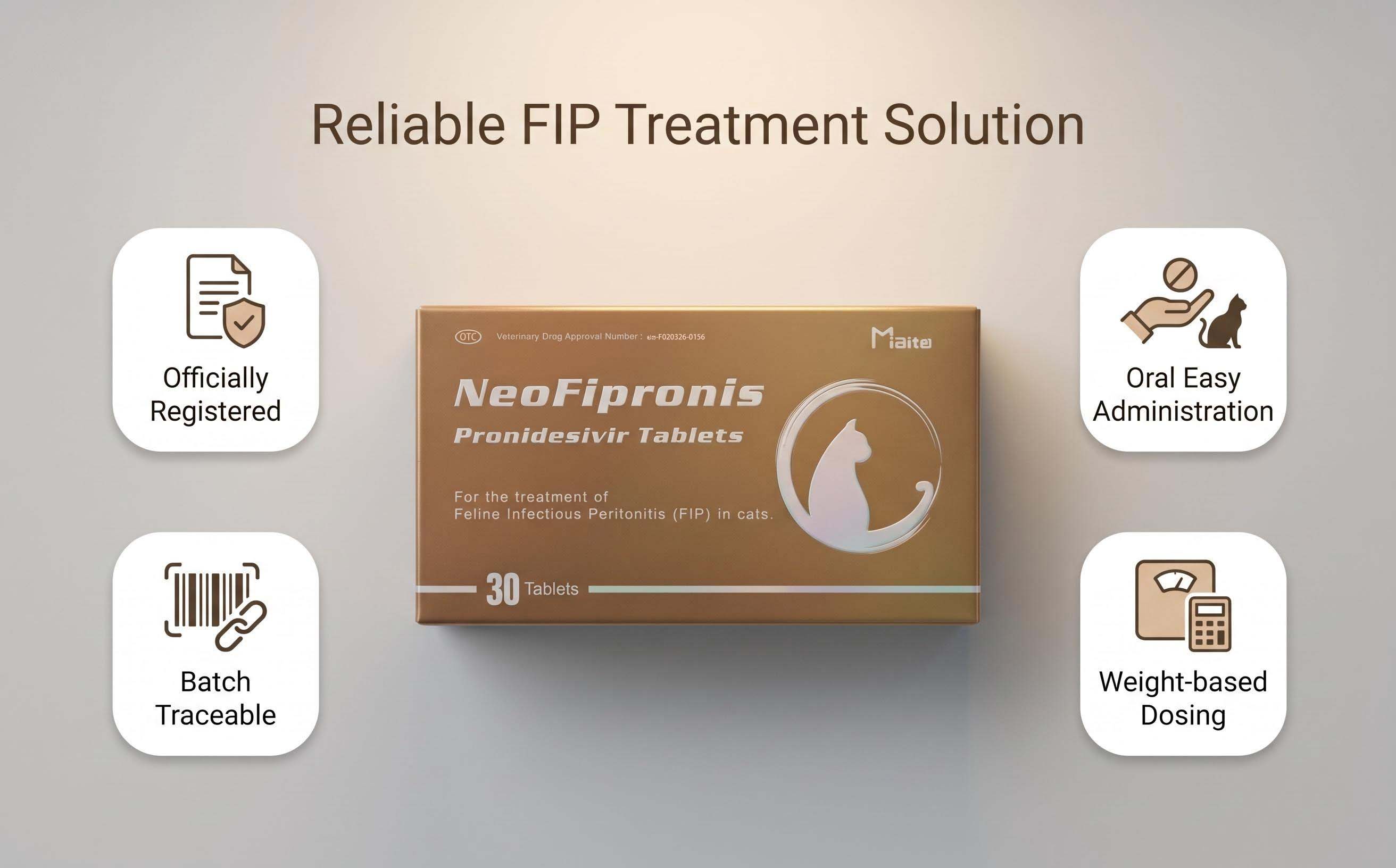
In March 2026, NeoFipronis (Pronidesivir) GS-441524 received official approval by the Lao Ministry of Agriculture and Forestry, marking a significant milestone as the world's first approved oral treatment for FIP. This antiviral shows remarkable promise due to its high effectiveness, safety profile, and ease of administration.
NeoFipronis targets the underlying viral replication process, effectively reducing viral loads and alleviating clinical symptoms. It is well-tolerated, rapidly absorbed, and carries few side effects, making it a preferred choice for many veterinarians. Its approval provides a ray of hope for cat owners dealing with this previously fatal disease.
Monitoring Treatment Effectiveness: Key Signs Wet FIP Treatment Is Working
Tracking the physical and behavioral changes in your cat can provide insights into how well the treatment progresses. Here are the most reliable signs that indicate your cat's FIP treatment is working:
1. Reduction in Fluid Accumulation
One of the hallmark signs of wet FIP is fluid buildup, causing distention of the abdomen or chest. As NeoFipronis begins to combat the virus, you should notice a gradual decrease in abdominal or thoracic swelling.
How to monitor: Regularly palpate the abdomen for size changes or observe your cat's breathing for improvement. Veterinarians may also use ultrasound or x-rays to assess fluid levels objectively.
2. Improved Appetite and Weight Gain
Loss of appetite is common in FIP-infected cats, leading to weight loss and weakness. Successful treatment typically restores normal appetite and promotes weight stabilization or gain.
How to monitor: Watch for increased interest in food, chewiness, and improved energy levels. A healthy, steady weight gain is a positive indicator.
3. Enhanced Energy and Activity Levels
Lethargy and weakness are distressing symptoms of FIP. When treatment works, cats usually become more active, playful, and responsive.
How to monitor: Note changes in activity patterns—more curiosity, increased grooming, and willingness to interact.
4. Resolution of Fever
Persistent fever unresponsive to antibiotics is characteristic of FIP. A decrease or normalization of body temperature can signal recovery.
How to monitor: Use a reliable veterinary thermometer to track temperature. Observe for the disappearance of fever episodes.
5. Regression of Inflammatory Lesions
FIP causes granulomatous inflammation in organs and lymph nodes, contributing to clinical signs. Effective treatment often results in reduction or resolution of these lesions.
How to monitor: Ultrasounds or other imaging techniques can be used by veterinarians to track changes in affected tissues.
6. Improvement in Eye and Nervous System Symptoms
Cats with ocular or neurological manifestations of FIP may exhibit signs such as uveitis, ataxia, or seizures that improve with successful treatment.
How to monitor: Regular veterinary checkups to assess eye health and neurological function are imperative.
Additional Indicators of Treatment Success
Better Laboratory Results: Blood tests showing decreased inflammatory markers and normalization of organ function parameters.
Absence of New Lesions: No new granulomas or fluid buildup during follow-up examinations.
General Well-Being: Overall improved demeanor, better grooming, and a more playful personality.
Role of Veterinary Care in Monitoring
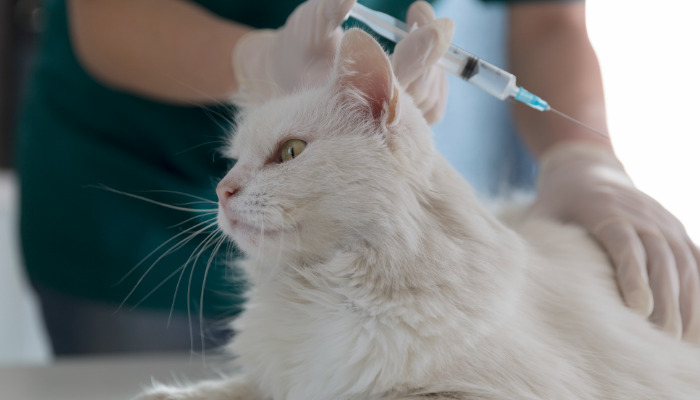
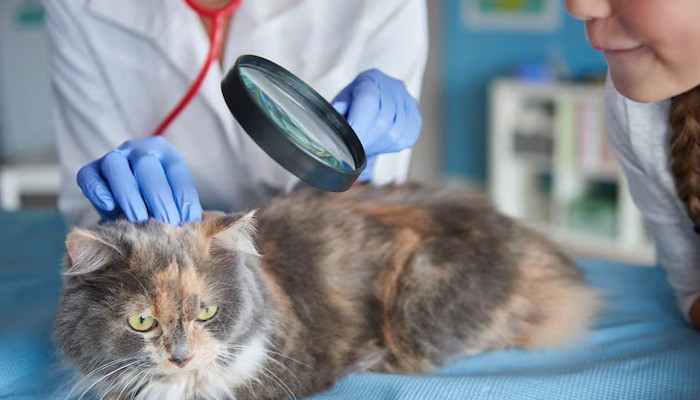
While owners can observe many signs at home, regular veterinary checkups are essential. Blood tests, ultrasounds, and physical examinations help confirm whether the antiviral treatment is effective and aid in early detection of any complications or relapse.
Precautions and Follow-Up
Even when signs of improvement are evident, completing the prescribed treatment course is vital. Premature discontinuation can lead to relapse or resistance. Continuous monitoring ensures sustained remission and long-term success.
Conclusion
Recognizing the signs that indicate wet FIP treatment is working can greatly influence the management and outcome of affected cats. Improvements such as reduction in fluid accumulation, increased appetite, weight gain, and activity levels are positive indicators of progress. The advent of NeoFipronis (Pronidesivir) GS-441524 has revolutionized FIP treatment, offering hope to countless pet owners. Consistent veterinary follow-up, patience, and diligent observation form the foundation of successful FIP management.
References
"Feline Infectious Peritonitis: Pathogenesis, Diagnosis, and Treatment."
"Advances in Antiviral Therapy for FIP."
"NeoFipronis (Pronidesivir) GS-441524: The First Approved Oral Treatment for FIP."
"Clinical Signs and Progress Monitoring in Cats Undergoing FIP Treatment."
"Veterinary Guidelines on FIP Management and Follow-up."