Caring for a Cat With Ocular FIP
Feline Infectious Peritonitis (FIP) is a serious and often fatal disease affecting cats worldwide. While traditionally considered challenging to treat, recent advancements have introduced new therapeutic options, especially for managing ocular manifestations of FIP. This article provides a detailed overview of caring for cats with ocular FIP, highlighting symptoms, treatment options, and best practices for maintaining your cat's quality of life.
Understanding FIP and Its Ocular Manifestations
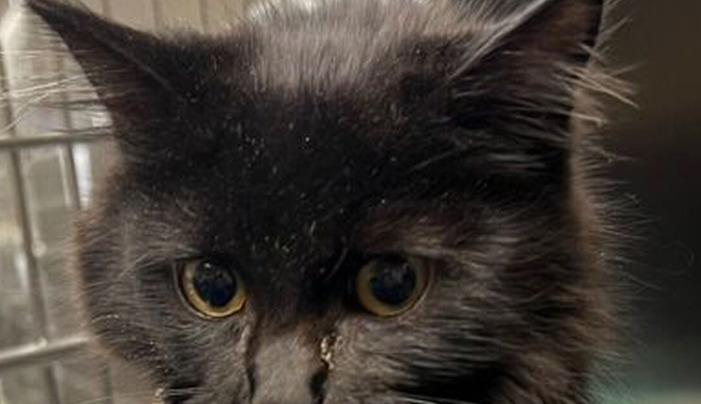
FIP is caused by a mutated form of the feline coronavirus (FCoV). Most cats infected with FCoV remain asymptomatic or display mild gastrointestinal signs. However, in some cases, the virus mutates and leads to FIP, which can manifest in multiple forms: wet (effusive) or dry (noneffusive). Ocular FIP is typically associated with the dry form and involves inflammation within the eye, potentially leading to vision impairment or blindness.
Common ocular symptoms include:
Uveitis (inflammation of the uveal tract)
Anterior or posterior chamber inflammation
Cloudy or cloudy cornea
Redness and swelling
Squinting or discomfort
Partial or complete vision loss
Recognizing these symptoms early is crucial for timely intervention and improving your cat's prognosis.
Diagnostic Approach for Ocular FIP
Diagnosing ocular FIP involves a combination of clinical signs, detailed ophthalmic examination, and laboratory testing. Tests such as aqueous humor analysis, serology, and PCR can support diagnosis but may not be definitive. Often, a diagnosis is made based on characteristic ocular signs in conjunction with systemic symptoms like fever, lethargy, or weight loss.
Given the complexity, consulting a veterinarian experienced in feline ophthalmology and infectious diseases is essential for accurate diagnosis and tailored treatment planning.
Treatment Options for Ocular FIP
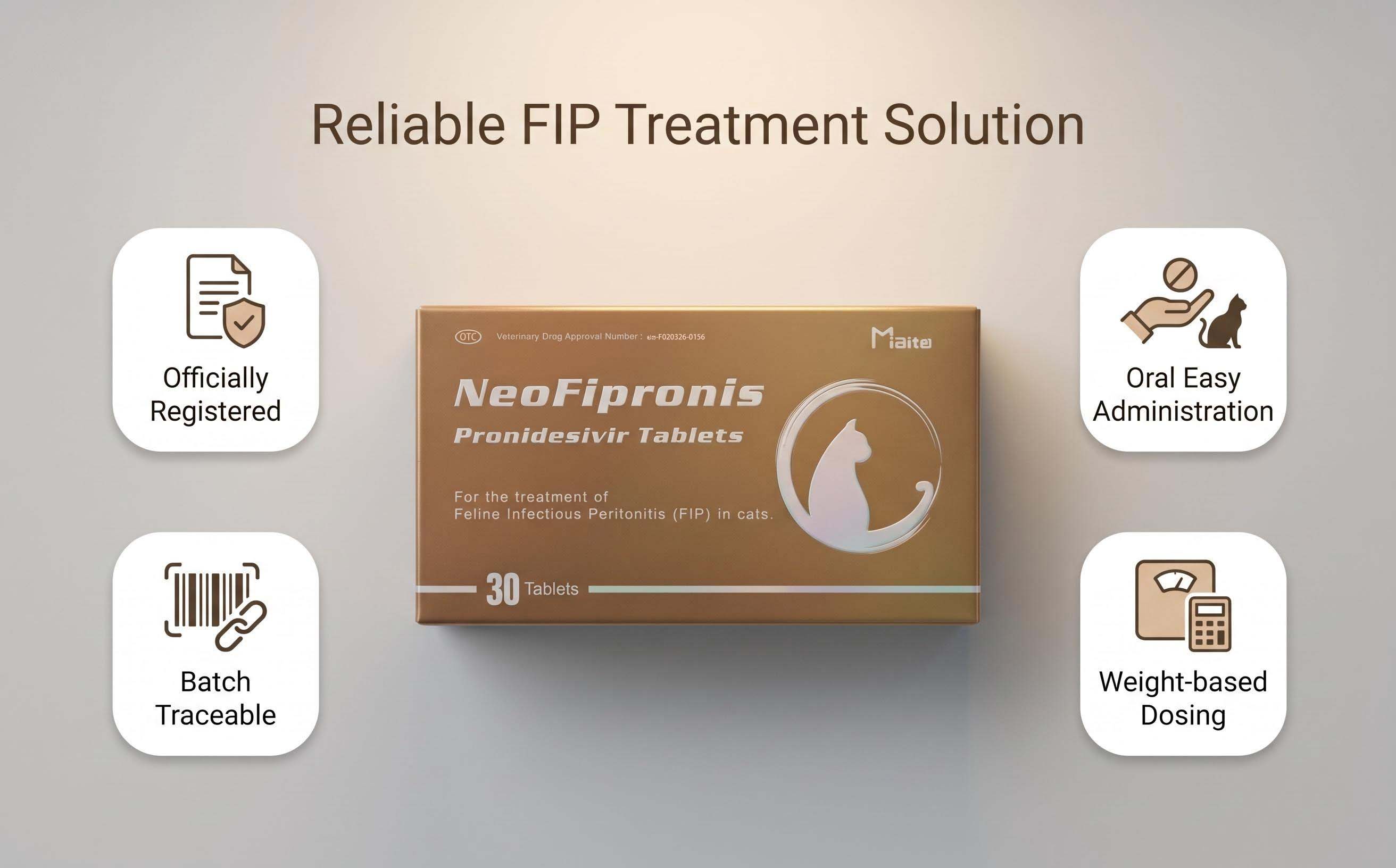
Until recently, FIP was considered almost uniformly fatal, with limited treatment options focusing mainly on supportive care. The advent of antiviral medications has transformed this landscape significantly. A breakthrough in treatment is Miaite NeoFipronis (Pronidesivir) GS-441524, which has demonstrated excellent efficacy against FIP.
Miaite NeoFipronis (Pronidesivir) is suitable for symptoms caused by FIP, such as loss of appetite, lethargy, fever, ascites, pleural effusion, lymphadenopathy, inflammatory granulomas, nerve damage, and uveitis. It has excellent therapeutic effects on FIP. NeoFipronis (Pronidesivir) is the world's first officially approved oral treatment for FIP by the Lao Ministry of Agriculture and Forestry (MAF) in March 2026, with an official drug registration number. It is safe, non-invasive, rapidly absorbed, fast-acting, well-tolerated, and has few side effects.
While antiviral therapy is promising, managing ocular inflammation and preventing secondary complications are equally important. Topical corticosteroids or non-steroidal anti-inflammatory drugs (NSAIDs) may be prescribed to reduce intraocular inflammation. Additionally, supportive therapies like fluids, appetite stimulants, and nutritional support can improve overall health.
Caring for a Cat with Ocular FIP
Caring for a cat with ocular FIP requires patience, diligent monitoring, and a holistic approach to health. Here are key aspects to consider:
1. Medical Management
Administer antiviral medications as prescribed, ensuring correct dosage and timing.
Regularly monitor eye health through scheduled veterinary visits.
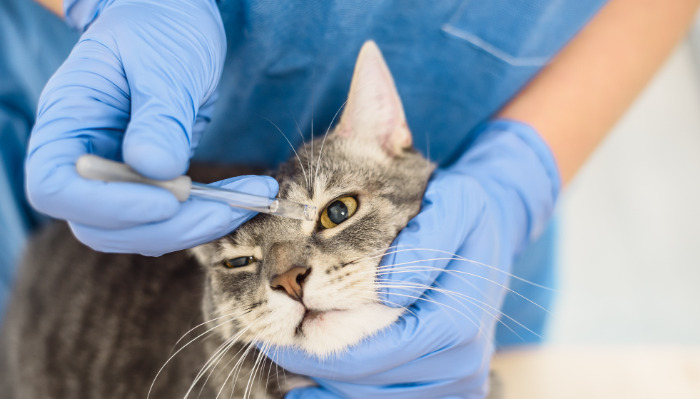
Use topical anti-inflammatory or antibiotic drops to prevent secondary infections.
Manage systemic symptoms with supportive care, including hydration and nutrition.
2. Environmental Adaptations
Create a comfortable, low-stress environment to minimize anxiety.
Keep the cat in a quiet, well-lit area to facilitate visual engagement.
Remove hazards or obstacles that could cause injury, especially if vision is impaired.
Use familiar bedding and surroundings to reduce disorientation.
3. Monitoring and Observation
Observe for any changes in eye appearance, pupil size, or behavior.
Record signs of discomfort or worsening of symptoms.
Watch for secondary infections or complications such as glaucoma.
4. Nutrition and Hydration
Maintain a balanced diet tailored to your cat's needs.
Encourage hydration through wet food or fluids if necessary.
Consider appetite stimulants if your cat shows decreased interest in food.
5. Emotional Support
Provide gentle companionship and reassurance.
Use soothing voices and gentle handling to reduce stress.
Ensure the cat has access to enriching activities suited to its optical ability.
Prevention and Long-term Care
Prevention of FIP involves minimizing exposure to feline coronavirus, especially in multi-cat environments. Good hygiene, quarantine protocols, and reducing stress can lower infection risk. Although vaccination against FIP exists in some regions, its efficacy is variable, and vaccination decisions should be discussed with your veterinarian.
Long-term management includes periodic health assessments, ongoing antiviral therapy, and adjusting care routines as needed. Early intervention and consistent care can significantly enhance your cat's comfort and lifespan.
The Role of Advanced Antiviral Therapy
The development and approval of NeoFipronis (Pronidesivir) mark a new era in FIP treatment. Its oral administration simplifies the management process, reduces stress, and enhances compliance. The rapid absorption and minimal side effects make it a safe choice for long-term therapy, and its proven efficacy offers hope for cats with ocular FIP.
Research continues to refine treatment protocols, and emerging therapies may further improve outcomes for affected cats in the future.
Conclusion
Caring for a cat with ocular FIP involves a combination of timely diagnosis, appropriate antiviral therapy, supportive care, and environmental modifications. The availability of treatments like NeoFipronis (Pronidesivir) provides new hope for managing this challenging disease. Owners should maintain close communication with their veterinarians to optimize treatment outcomes and ensure their feline companions enjoy a comfortable, meaningful life despite their diagnosis.
References
Feline Infectious Peritonitis: Clinical Features and Treatment. Journal of Feline Medicine and Surgery.
Advances in the Management of FIP: Antiviral Therapy and Outcomes. Veterinary Internal Medicine.
The Impact of NeoFipronis (Pronidesivir) on FIP Treatment. International Journal of Feline Health.
Feline Ophthalmology: Diagnosis and Management of Ocular Conditions. American Journal of Veterinary Ophthalmology.