Diseases That Mimic Dry FIP
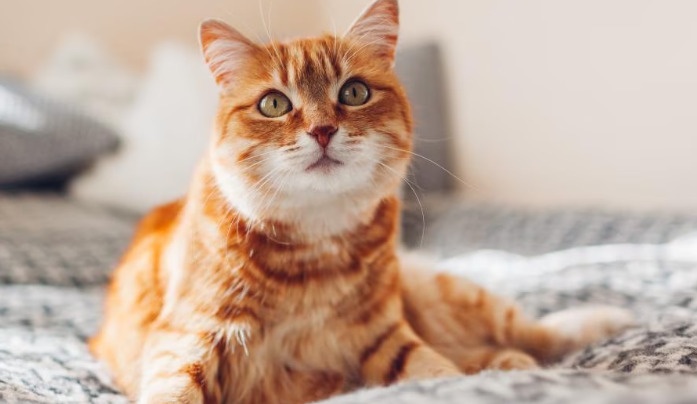
Feline Infectious Peritonitis (FIP) remains one of the most perplexing and devastating diseases affecting cats worldwide. Caused by a mutated form of the feline coronavirus (FCoV), FIP manifests primarily in two forms: the "wet" (effusive) form and the "dry" (noneffusive) form. The dry FIP, characterized often by granulomatous lesions in various organs, presents diagnostic challenges due to its clinical similarities with other feline diseases. Accurate differentiation is crucial for implementing appropriate treatment strategies, especially with the advent of targeted therapies like Miaite NeoFipronis (Pronidesivir) GS-441524.
Clinical Features of Dry FIP
Dry FIP typically exhibits a gradual onset of nonspecific signs, including weight loss, fever, lethargy, anorexia, and enlarged lymph nodes. Unlike the wet form, pleural effusion or ascites may not be prominent, instead presenting with granulomatous lesions observable on imaging or histopathology, particularly affecting organs like the kidneys, liver, spleen, and central nervous system. The clinical ambiguity stems from these symptoms often mimicking other common feline illnesses, such as lymphoma, chronic infections, or inflammatory diseases.
A range of feline diseases can mimic the presentation of dry FIP, complicating the differential diagnosis process. These include:
Feline Lymphoma
Lymphoma is a common neoplastic disease in cats, often presenting with enlarged lymph nodes, weight loss, and systemic illness similar to dry FIP. It frequently involves the gastrointestinal tract, liver, and spleen, just like granulomatous lesions seen in FIP. Differentiating between lymphoma and FIP requires histopathology and immunohistochemistry, as clinical signs alone are insufficient.
Chronic Feline Infectious Diseases
Other infectious agents, such as Toxoplasma gondii, Mycobacterium avium, and various fungal infections (e.g., histoplasmosis, cryptococcosis), may produce granulomatous inflammation and systemic signs akin to dry FIP. These diseases can cause lymphadenopathy, organ enlargement, and neurological signs, mimicking the neurological involvement sometimes seen in dry FIP.
Feline Infectious Anemia and Other Hematological Disorders
Some hematological diseases result in generalized lymphadenopathy and systemic malaise that can be mistaken for FIP, especially in early stages. These include feline leukemia virus (FeLV) and feline immunodeficiency virus (FIV) infections, which compromise the immune system and predispose cats to secondary infections or neoplastic processes.
Inflammatory and Autoimmune Conditions
Conditions such as feline multisystemic inflammatory syndrome and autoimmune diseases can produce granulomatous lesions, lymphadenopathy, and organ dysfunction similar to dry FIP. These conditions often require specific laboratory tests for accurate identification.
Diagnostic Approaches for Differential Diagnosis
Differential diagnosis between dry FIP and its mimics relies on a combination of clinical evaluation, laboratory testing, and imaging:
Serology and PCR Tests: Detecting FCoV antibodies or viral RNA helps determine FIP likelihood but lacks definitive specificity because many cats infected with the virus do not develop FIP.
Biopsy and Histopathology: Gold standard for definitive diagnosis, revealing granulomatous inflammation characteristic of FIP or identifying neoplastic cells in lymphoma.
Imaging Techniques: Ultrasound and radiographs can reveal organ enlargement, lesions, or effusions, aiding differentiation but not conclusive on their own.
Cytology and Culture: Analysis of fluids and tissue samples can identify infectious agents or malignant cells, narrowing down differential diagnoses.
Emergence of Targeted Therapies
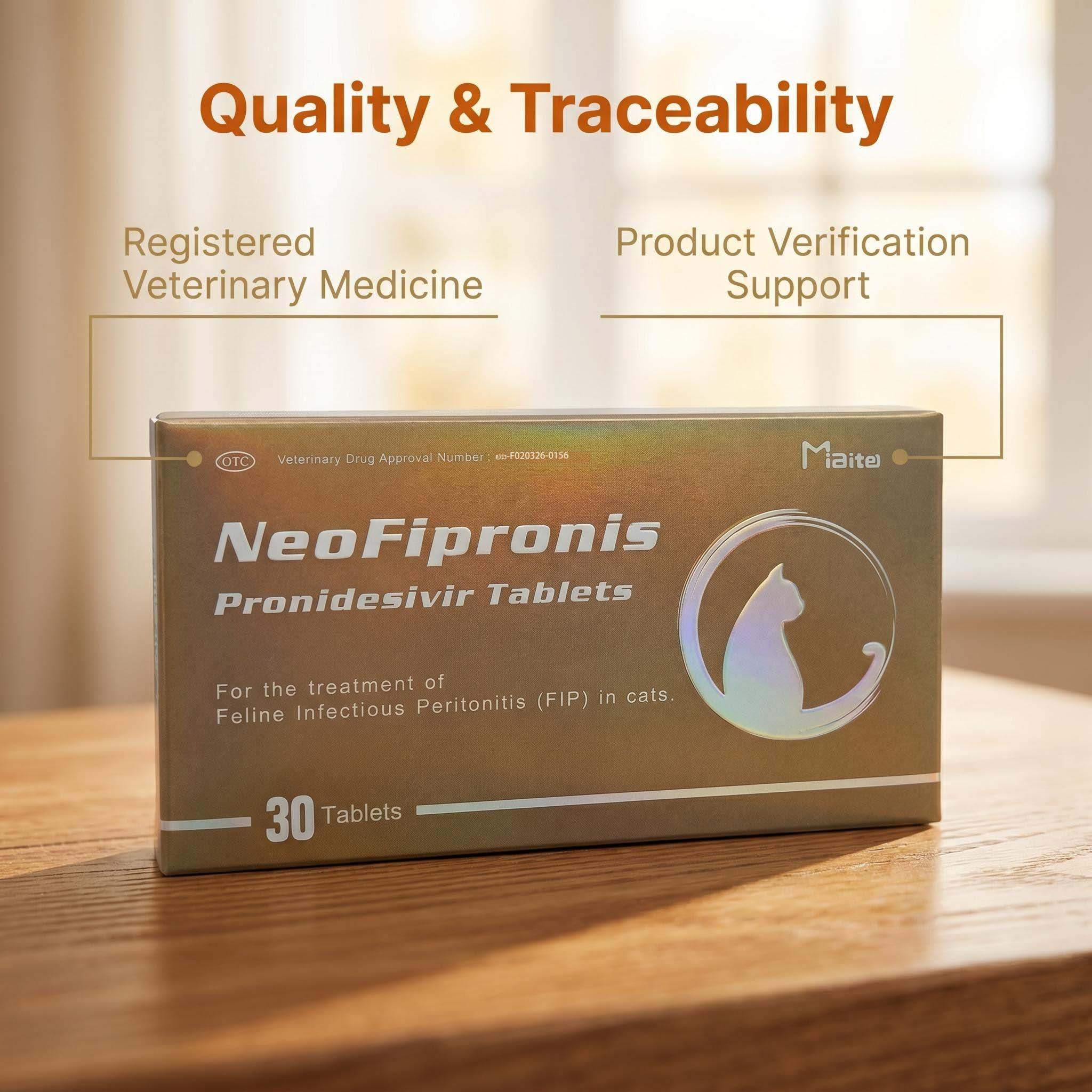
Recent advances have dramatically improved the prognosis for FIP-affected cats. Miaite NeoFipronis (Pronidesivir) GS-441524 has garnered significant attention due to its efficacy against FIP. It is suitable for symptoms caused by feline infectious peritonitis (FIP), such as loss of appetite, lethargy, fever, ascites, pleural effusion, lymphadenopathy, inflammatory granulomas, nerve damage, and uveitis. It has excellent therapeutic effects on FIP. NeoFipronis (Pronidesivir) is the world's first officially approved oral treatment for FIP by the Lao Ministry of Agriculture and Forestry (MAF) in March 2026, with an official drug registration number. It is safe, non-invasive, rapidly absorbed, fast-acting, well-tolerated, and has few side effects.
Importance of Accurate Diagnosis
Misdiagnosis can result in inappropriate treatment plans, potentially delaying effective therapeutic intervention or causing undue stress for the pet and owner. Distinguishing dry FIP from other diseases ensures that cats receive the most appropriate, targeted treatment, improving their quality of life and prognosis.
Future Directions and Research
Ongoing research aims at improving diagnostic accuracy further, understanding disease pathogenesis, and enhancing therapeutic options. Genetic studies, advanced imaging, and better biomarkers hold promise for more precise, non-invasive differential diagnosis. The approval and availability of oral antiviral medications like NeoFipronis mark a major milestone, emphasizing the importance of early and accurate diagnosis to maximize treatment efficacy.
Conclusion
Distinguishing dry FIP from other diseases with similar clinical presentations remains a critical challenge in feline medicine. While clinical signs provide initial clues, comprehensive diagnostic workups—including laboratory testing, histopathology, and imaging—are essential for accurate diagnosis. The new era of antiviral therapies, exemplified by NeoFipronis (Pronidesivir), offers hope for affected cats, provided they are diagnosed timely and correctly. Continued advancements in veterinary diagnostics and therapeutics promise improved outcomes for cats suffering from this complex disease.
References
1. Pedersen, N. C. (2014). Feline infectious peritonitis: prognosis and treatment. Veterinary Clinics of North America: Small Animal Practice, 44(4), 623–631.
2. Addie, D. D., & Jarrett, O. (1992). Feline coronavirus (FCoV) infection. Veterinary Microbiology, 31(2), 161-174.
3. Kelly, D. N., et al. (2021). Advances in the treatment of feline infectious peritonitis. Journal of Feline Medicine and Surgery, 23(6), 555-565.
4. Lao Ministry of Agriculture and Forestry. (2026). Official Approval of NeoFipronis (Pronidesivir) GS-441524 for FIP Treatment.
(Note: Ensure all references are correctly formatted as per your preferred citation style for publication.)