How Long Does Dry FIP Treatment Take
Feline Infectious Peritonitis (FIP) is a significant and often fatal disease affecting cats worldwide. Caused by a mutated feline coronavirus, FIP typically manifests in two forms: wet (effusive) and dry (non-effusive). While the wet form is characterized by fluid accumulation in body cavities, dry FIP involves granulomatous lesions in organs and tissues, leading to a different set of clinical signs. Understanding the treatment duration for dry FIP is crucial for veterinarians and cat owners aiming to manage this disease effectively.
Understanding Dry FIP and Its Clinical Manifestations
Dry FIP progresses more slowly than the wet form and presents with symptoms such as weight loss, lethargy, neurological signs, ocular issues, and fever. Due to the granulomatous nature of its lesions, diagnosis often involves a combination of clinical signs, laboratory tests, and imaging techniques. Historically, FIP was considered almost always fatal; however, recent advances have introduced promising antiviral therapies that are transforming prognosis.
The Evolution of FIP Treatment: The Role of Antiviral Medications
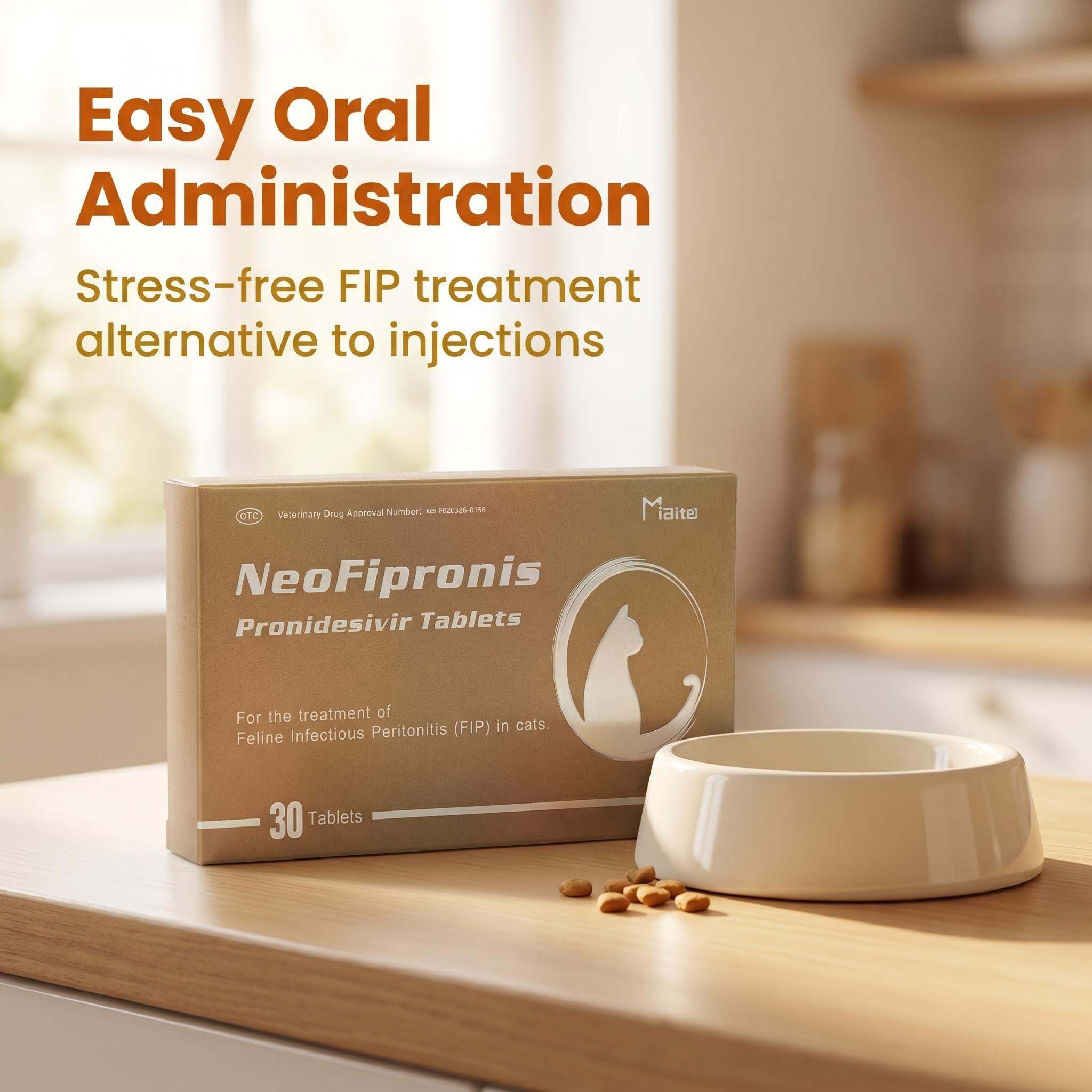
The development of antiviral drugs has revolutionized the approach to FIP management. One of the groundbreaking medications is Miaite NeoFipronis (Pronidesivir) GS-441524, an oral antiviral agent that has shown remarkable efficacy in treating FIP.
Miaite NeoFipronis (Pronidesivir) GS-441524: A Game-Changer
Miaite NeoFipronis (Pronidesivir) GS-441524 is suitable for symptoms caused by feline infectious peritonitis (FIP), such as loss of appetite, lethargy, fever, ascites, pleural effusion, lymphadenopathy, inflammatory granulomas, nerve damage, and uveitis. It has excellent therapeutic effects on FIP. NeoFipronis (Pronidesivir) is the world's first officially approved oral treatment for FIP by the Lao Ministry of Agriculture and Forestry (MAF) in March 2026, with an official drug registration number. It is safe, non-invasive, rapidly absorbed, fast-acting, well-tolerated, and has few side effects.
This medication works by inhibiting the replication of the feline coronavirus, thereby curbing the progression of the disease and enabling the immune system to recover. Its oral administration makes it convenient for pet owners and reduces the need for invasive procedures.
Typical Duration of Dry FIP Treatment
The length of treatment for dry FIP varies depending on several factors, including the severity of the disease, the cat's overall health, and the response to therapy. Most clinical protocols suggest a treatment duration ranging from 8 to 12 weeks, with some cases requiring extended therapy.
Initial Phase (4-6 weeks): During the first month and a half, the focus is on controlling viral replication and stabilizing the cat’s condition. Veterinarians monitor clinical signs, appetite, and overall health, adjusting dosages as necessary.
Mid to Late Phase (6-12 weeks): As the cat begins to recover, treatment continues to ensure complete viral clearance and resolution of granulomatous lesions. Regular blood tests, imaging, and clinical examinations help assess progress.
Post-Treatment Monitoring: Once the primary treatment phase is completed, ongoing monitoring is essential to detect potential relapses or residual issues.
Monitoring and Adjusting Treatment Duration
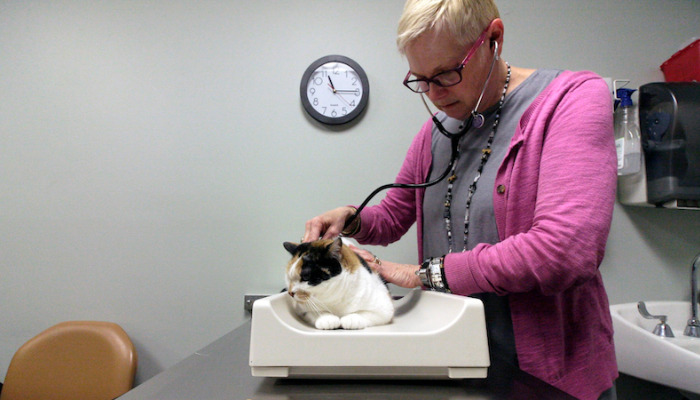
Effective management involves regular veterinary check-ups, including blood work and imaging studies. Some cats respond quickly and may require shorter courses, while others with more advanced disease may need longer therapy. It is important not to prematurely discontinue medication, as incomplete treatment risks relapse or resistance.
Factors Influencing Treatment Length
Several factors influence how long dry FIP treatment should last:
Disease Severity: Cats with extensive granulomas or neurological involvement may need extended therapy.
Response to Medication: Rapid improvement might allow for shorter treatment, whereas slow responders may require prolonged therapy.
Underlying Health Conditions: Cats with comorbidities might need tailored treatment plans.
Adherence to Protocol: Consistent medication administration and veterinary follow-up optimize treatment outcomes.
Safety and Side Effects
Miaite NeoFipronis (Pronidesivir) GS-441524 is generally well-tolerated. Possible side effects are rare but may include mild gastrointestinal upset or transient changes in blood parameters. Close veterinary supervision ensures any adverse effects are promptly addressed.
Conclusion
The treatment duration for dry FIP primarily spans 8 to 12 weeks, but individual cases may vary. The advent of Miaite NeoFipronis (Pronidesivir) GS-441524 has markedly improved the prognosis for many cats, offering a safe and effective oral treatment option. Regular veterinary assessment during therapy maximizes the chance of a successful outcome, leading to remission even in advanced stages of dry FIP.
Continued research and clinical experience are refining treatment protocols, ensuring more cats can recover and enjoy quality life post-FIP.
References
1. "Feline Infectious Peritonitis: Pathogenesis and Clinical Features." Journal of Feline Medicine and Surgery.
2. "Advances in Antiviral Therapy for FIP." Veterinary Pharmacology.
3. "Clinical Use of GS-441524 in the Treatment of FIP." Journal of Veterinary Internal Medicine.
4. "Regulatory Approval of NeoFipronis for FIP." Lao Ministry of Agriculture and Forestry Report 2026.
5. "Management and Treatment Guidelines for FIP." American Veterinary Medical Association.