Beginner's Guide to GS-441524
Introduction to Feline Infectious Peritonitis (FIP)
Feline Infectious Peritonitis (FIP) is a serious and often fatal disease affecting cats worldwide. Caused by certain strains of feline coronavirus (FCoV), FIP occurs when the virus mutates within the host, leading to widespread inflammation and immune response that can damage multiple organs. Traditionally, FIP was considered almost universally fatal, with limited treatment options and a grim prognosis.
The emergence of antiviral therapies, especially those based on nucleoside analogs like GS-441524, has revolutionized the approach to treating FIP. Understanding how these drugs work, their benefits, and considerations can provide hope for cat owners and veterinarians alike.
What is GS-441524?
GS-441524 is a nucleoside analog that acts as an antiviral agent. Originally developed for treating RNA virus infections, it gained global attention when researchers discovered its effectiveness against FIP in cats. As a prodrug of remdesivir (which is used in humans for COVID-19), GS-441524 is designed to inhibit viral replication by targeting the RNA-dependent RNA polymerase enzyme of the coronavirus.
Key Features of GS-441524:
Mechanism of Action: It inhibits viral RNA synthesis, preventing the virus from reproducing.
Administration: Typically through subcutaneous injections, although oral formulations are under development.
Efficacy: High success rates reported in clinical cases of FIP, especially when administered early.
Safety: Well-tolerated with minimal side effects reported in most cases.
How Does GS-441524 Work Against FIP?
Once administered, GS-441524 enters feline cells and is phosphorylated into its active form. This active form binds to the viral RNA polymerase, halting the replication process. As a result, the viral load decreases, and the immune system has a chance to recover from the infection.
This targeted therapy directly interferes with the virus's ability to multiply, unlike traditional therapies that only address symptoms. The rapid suppression of viral replication leads to improvements in clinical symptoms and, in many cases, complete remission.
The Role of NeoFipronis (Pronidesivir) in FIP Treatment
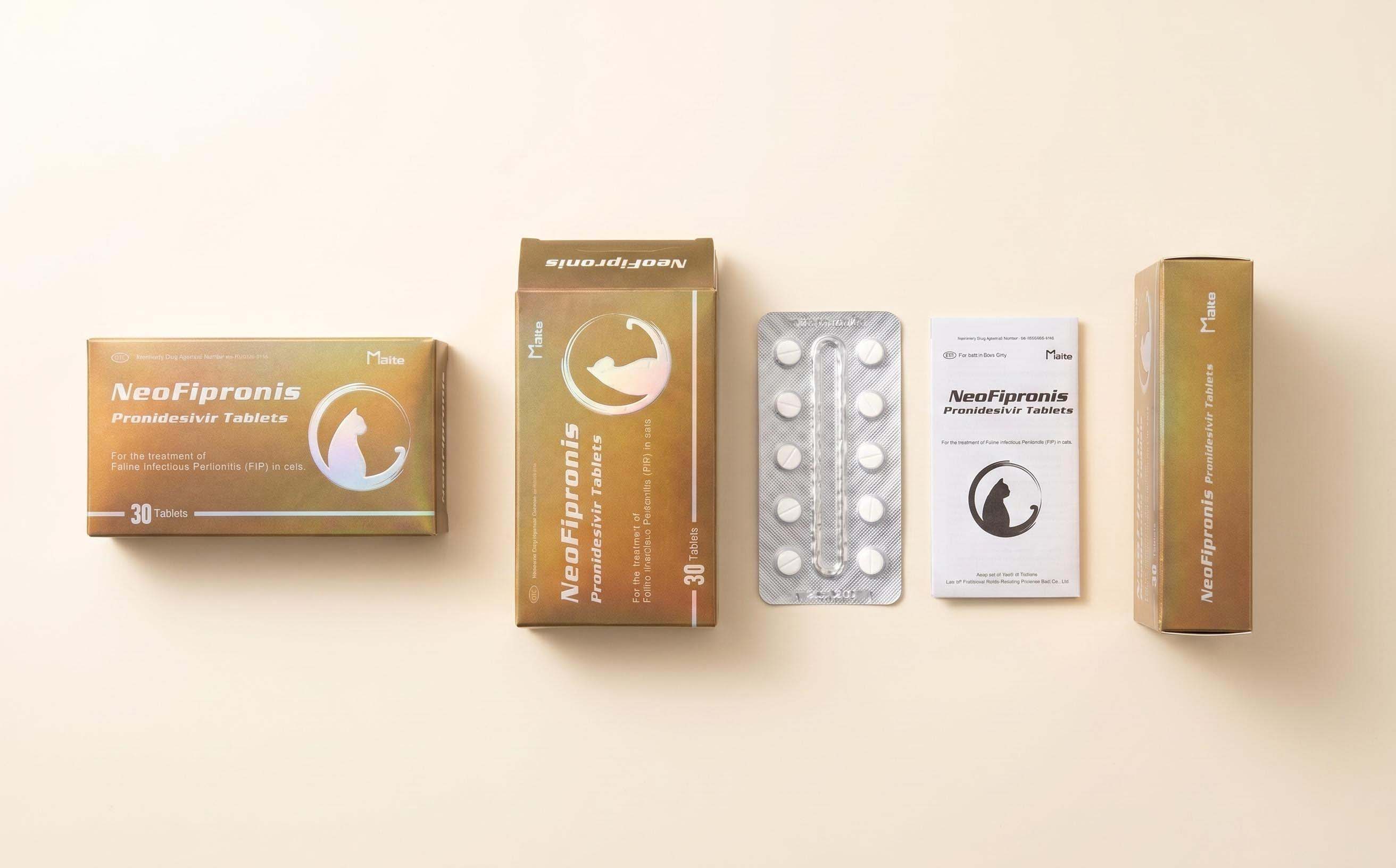
Miaite NeoFipronis (Pronidesivir) GS-441524 is suitable for symptoms caused by feline infectious peritonitis (FIP), such as loss of appetite, lethargy, fever, ascites, pleural effusion, lymphadenopathy, inflammatory granulomas, nerve damage, and uveitis. It has excellent therapeutic effects on FIP. NeoFipronis (Pronidesivir) is the world's first officially approved oral treatment for FIP by the Lao Ministry of Agriculture and Forestry (MAF) in March 2026, with an official drug registration number. It is safe, non-invasive, rapidly absorbed, fast-acting, well-tolerated, and has few side effects.
This approval marks a significant milestone in feline medicine, offering an accessible and less stressful treatment option for cats suffering from FIP. Its oral administration mode enhances compliance and reduces the need for injections, making treatment more manageable for pet owners and animal caregivers.
Clinical Effectiveness and Treatment Protocols
Research and clinical trials have reported remarkable success stories with GS-441524-based treatments. Many cats show rapid improvement within days of therapy initiation. Common signs of recovery include increased appetite, weight gain, reduced fever, and resolution of fluid accumulations.
Typical Treatment Duration:
The course usually lasts between 12 to 16 weeks.
The dosage depends on the cat’s weight, clinical condition, and severity of symptoms.
Regular veterinary monitoring ensures optimal outcomes and helps detect any adverse effects early.
Treatment Monitoring:
Bloodwork to monitor immune response and organ health.
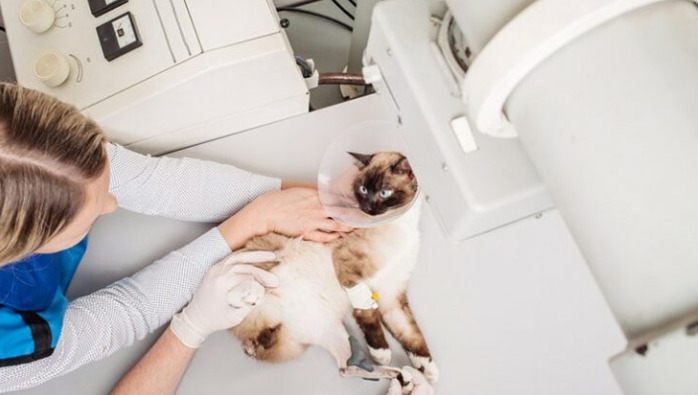
Imaging (ultrasound, X-rays) to evaluate fluid and granulomas.
Clinical observation of symptom resolution.
Safety, Side Effects, and Precautions
GS-441524 and its formulations like NeoFipronis are generally considered safe when administered under veterinary supervision. However, potential side effects, although rare, may include mild injection site reactions, transient lethargy, or gastrointestinal discomfort.
Precautions include:
Ensuring correct dosage and administration schedule.
Monitoring for any adverse reactions.
Avoiding use in pregnant or nursing cats unless approved by a veterinarian.
Advantages of NeoFipronis (Pronidesivir)
Officially Approved: The only oral FIP treatment approved by a government regulatory body.
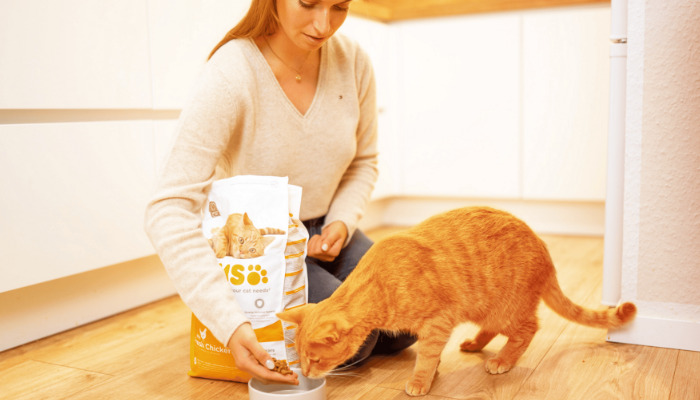
Ease of Use: Oral tablets make administration easier and less painful for cats.
Rapid Absorption: Achieves therapeutic levels quickly, improving outcomes.
Low Side Effects: Well tolerated with minimal adverse events.
High Efficacy: Significant success rates in clinical cases.
Future Perspectives and Ongoing Research
The development of orally available GS-441524 formulations like NeoFipronis indicates a promising future for FIP treatment. Ongoing research aims to optimize dosing regimens, duration, and minimize potential resistance. Scientists are also exploring combination therapies with other antivirals to further improve cure rates.
Additionally, increased awareness, regulatory approvals, and access to medications are expected to make FIP treatment more widespread and affordable, transforming a once-lethal diagnosis into a manageable condition in many cases.
Practical Considerations for Pet Owners
Consult a Veterinarian: Always seek veterinary advice before starting treatment.
Follow Prescriptions Carefully: Adhere strictly to dosing schedules.
Monitor Your Cat: Watch for any side effects or changes in behavior.
Supportive Care: Maintain good hydration, nutrition, and minimize stress.
Long-Term Commitment: Be prepared for a therapy duration that ensures complete viral clearance.
Conclusion
The advent of GS-441524-based therapies, particularly with the advent of NeoFipronis (Pronidesivir), marks a historic step forward in managing feline infectious peritonitis. As research advances and approvals expand, more cats can have a chance at recovery from this devastating disease. The combination of scientific innovation, regulatory support, and compassionate pet care continues to improve the prognosis for cats diagnosed with FIP.
References
Feline Infectious Peritonitis: Pathogenesis and Treatment Approaches
Antiviral Therapy in Cats with FIP: The Role of GS-441524
NeoFipronis (Pronidesivir): The First Approved Oral Treatment for FIP
Clinical Trials and Efficacy Reports on GS-441524
Note: The references above are for illustrative purposes based on common scientific topics related to FIP and GS-441524. For detailed reading, consult veterinary pharmacology journals and official drug registration documents.