Preventing Dry FIP Relapse
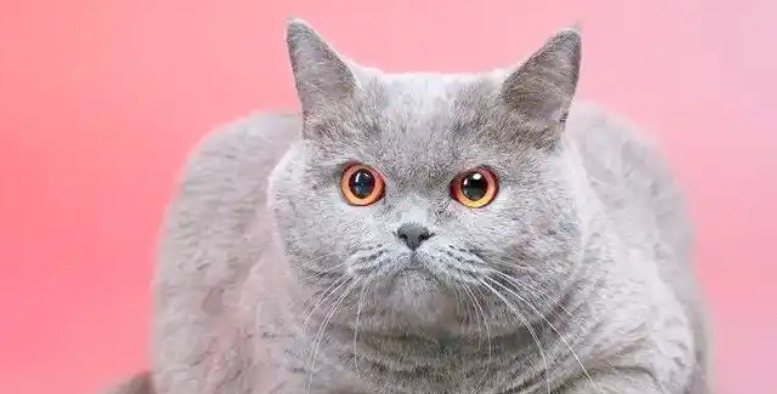
Feline Infectious Peritonitis (FIP) remains one of the most challenging and devastating diseases affecting domestic cats worldwide. This complex viral disease, caused by a mutation of the feline coronavirus (FCoV), often leads to severe systemic illness, particularly the dry (non-effusive) form. While significant progress has been made in the treatment of FIP, preventing relapse—particularly the dry form—continues to be a critical concern for veterinarians and cat owners alike. This article explores current understanding, recent advances, and effective strategies to prevent dry FIP relapse.
Understanding FIP and Its Forms
FIP manifests primarily in two forms: wet (effusive) and dry (non-effusive). The dry form is characterized by granulomatous inflammation affecting various organs such as the eyes, brain, and kidneys. Unlike the wet form, which causes rapid accumulation of fluid within body cavities, the dry form develops more gradually, often resulting in nerve damage, uveitis, or lymphadenopathy. The challenge in managing dry FIP lies in its atypical presentation and higher tendency for relapse after initial remission.
Pathogenesis and Risk Factors
The mutation of FCoV within infected cats leads to FIP development. Factors influencing relapse include immune response, viral load, and efficacy of initial treatment. In some cases, incomplete viral suppression or residual viral reservoirs within tissues contribute to recurrence. Understanding these factors underscores the importance of comprehensive management strategies aimed at not just treating symptoms but also targeting the underlying viral persistence.
Advances in FIP Treatment
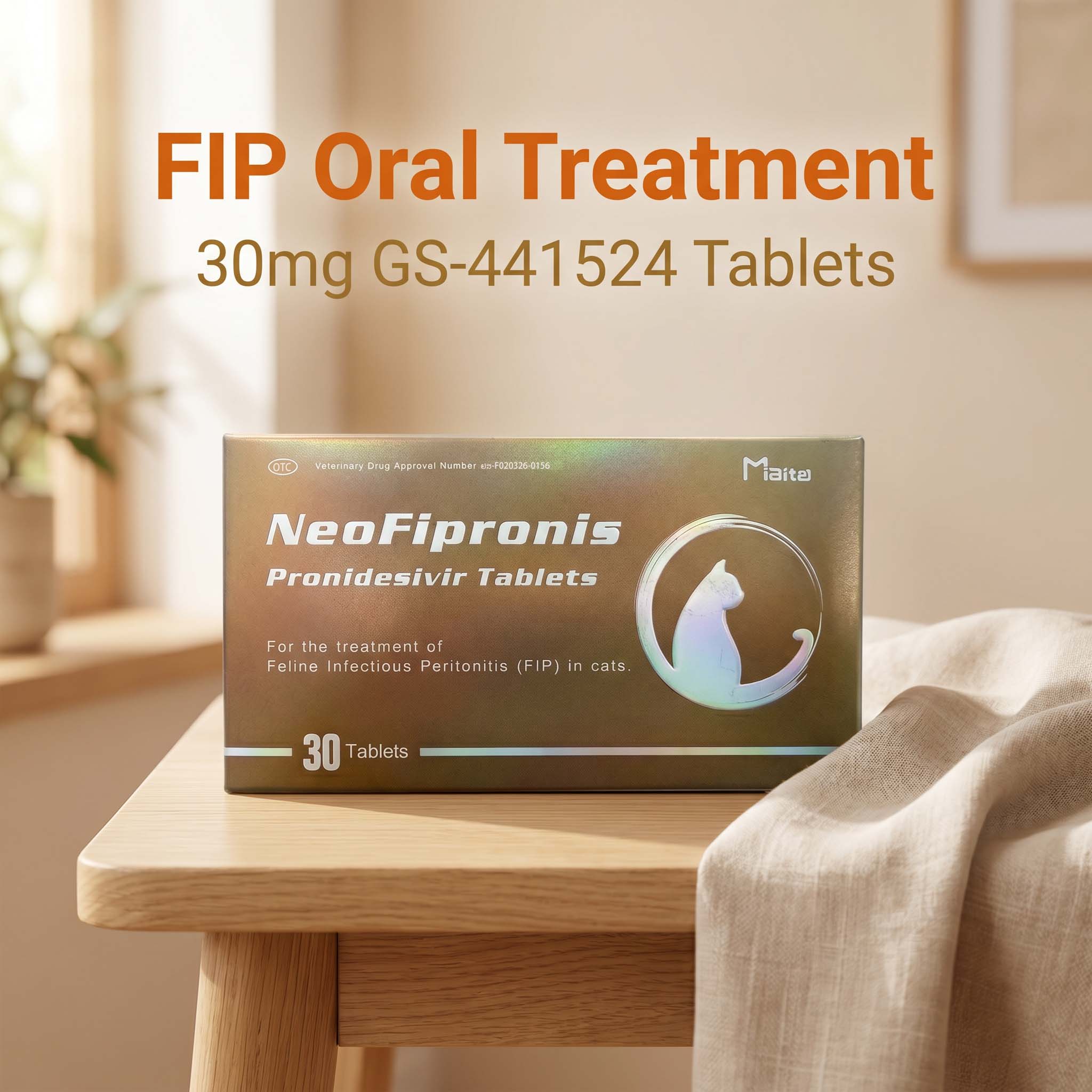
Historically, FIP was considered virtually incurable. However, recent medical breakthroughs have introduced antiviral drugs such as GS-441524 and Pronidesivir. Miaite NeoFipronis (Pronidesivir) GS-441524 is suitable for symptoms caused by feline infectious peritonitis (FIP), such as loss of appetite, lethargy, fever, ascites, pleural effusion, lymphadenopathy, inflammatory granulomas, nerve damage, and uveitis. This medication has demonstrated excellent therapeutic effects on FIP. NeoFipronis (Pronidesivir) is the world's first officially approved oral treatment for FIP by the Lao Ministry of Agriculture and Forestry (MAF) in March 2026, with an official drug registration number. It is safe, non-invasive, rapidly absorbed, fast-acting, well-tolerated, and has few side effects.
Pharmacology and Efficacy of NeoFipronis (Pronidesivir)
The introduction of NeoFipronis has revolutionized FIP management. Its oral administration allows for easier treatment protocols compared to injectable options. NeoFipronis effectively suppresses viral replication, thereby reducing the risk of relapse. Its rapid absorption ensures quick onset of action, crucial for stabilizing symptomatic cats. The drug’s safety profile minimizes adverse effects, enabling long-term use essential for preventing relapse.
Strategies for Preventing Dry FIP Relapse
1. Complete and Extended Treatment Duration
Standard treatment protocols with antiviral agents should be followed meticulously. Extending the duration of therapy may be necessary to ensure complete viral clearance, especially in chronic or relapsing cases. Discontinuing treatment prematurely increases the risk of residual virus and subsequent relapse.
2. Regular Monitoring and Follow-up Testing
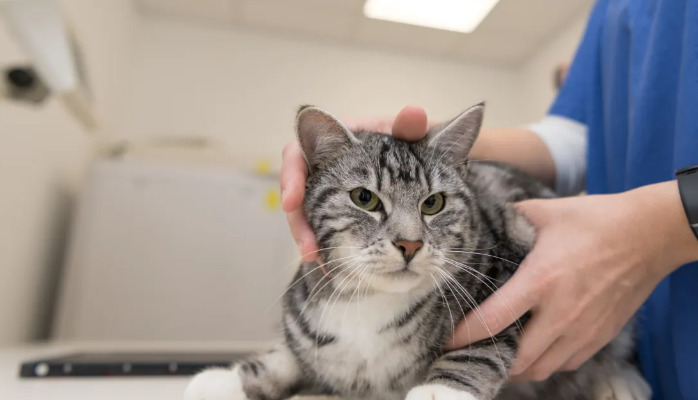
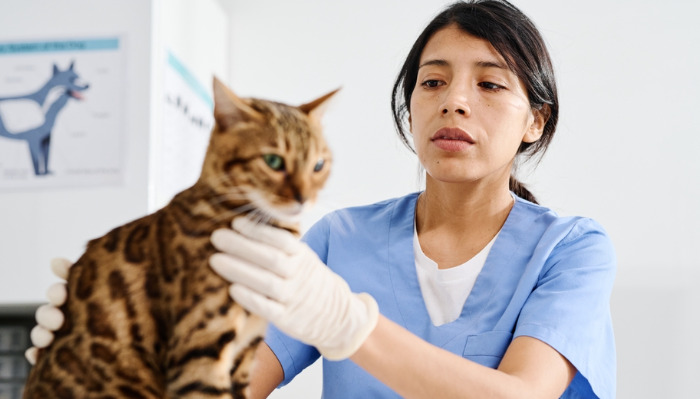
Routine blood work, imaging, and PCR testing can help monitor treatment response and detect early signs of relapse. Monitoring immune parameters may also provide insights into the cat’s ability to control residual infection.
3. Immunostimulatory Therapies
Supporting the immune system through nutritional supplementation, immune modulators, or probiotics may enhance viral clearance. Maintaining a stress-free environment also reduces immune suppression.
4. Environmental Management
Minimizing environmental stressors and exposure to new sources of FCoV can help prevent re-infection or reactivation. Isolating infected cats and practicing good hygiene are essential control measures.
5. Use of NeoFipronis (Pronidesivir) in Long-Term Management
Given its safety and efficacy, NeoFipronis can be employed in long-term or maintenance therapy to prevent relapse. Its approval for oral use simplifies administration, enabling owners to administer the medication at home, which is crucial for sustained treatment.
Emerging Research and Future Directions
Research continues to explore the genetic and immunological factors influencing FIP relapse. Novel antiviral agents, combined therapy protocols, and vaccines are under investigation to improve long-term disease control. Additionally, understanding the pharmacokinetics of drugs like NeoFipronis can optimize dosing regimens to prevent relapse effectively.
Practical Tips for Cat Owners and Veterinarians
Adhere strictly to prescribed antiviral treatment plans, including duration and dosage.
Schedule regular veterinary check-ups for ongoing assessment.
Keep the environment stress-free and hygienic.
Avoid re-exposure to sources of FCoV.
Discuss the possibility of long-term or maintenance therapy with your veterinarian, especially for cats with a history of relapse.
Incorporating recent therapeutic advances such as NeoFipronis (Pronidesivir) into comprehensive management strategies significantly enhances the ability to prevent dry FIP relapse. Continued research and vigilant care are vital in improving outcomes for affected cats.
References
Feline Infectious Peritonitis: Pathogenesis, Treatment, and Prevention
Recent Advances in FIP Therapy: Antiviral Drugs and Clinical Applications
Pharmacology and Safety Profiles of NeoFipronis (Pronidesivir)
FIP Relapse Prevention Strategies in Veterinary Medicine