Ocular FIP Dilated Pupils
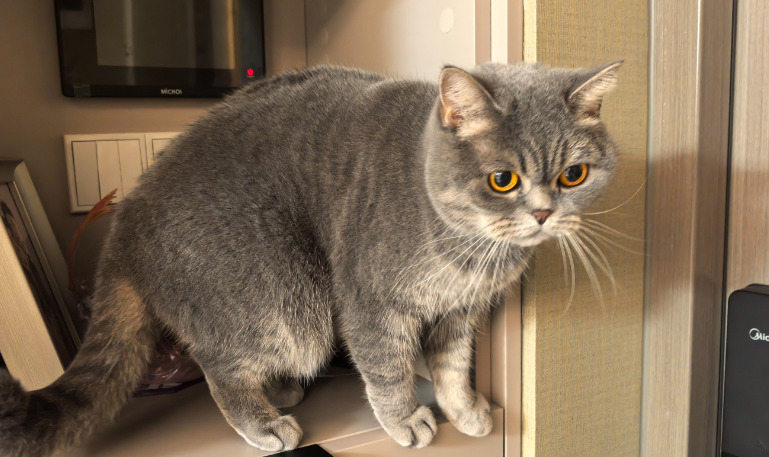
Feline Infectious Peritonitis (FIP) remains one of the most complex and challenging diseases in feline medicine. Caused by a mutated form of feline coronavirus (FCoV), FIP manifests in various systemic symptoms, often leading to fatal outcomes if left untreated. Among its multiple clinical signs, ocular manifestations such as dilated pupils—also known as mydriasis—stand out due to their diagnostic significance and impact on feline quality of life.
Understanding FIP in Cats
FIP primarily affects young cats, especially those in multi-cat environments or shelters. The disease arises when the feline coronavirus mutates within the host's body, leading to an inflammatory response that can affect multiple organ systems. The two main clinical forms are the 'wet' form, characterized by accumulation of fluid in body cavities (ascites and pleural effusion), and the 'dry' form, distinguished by granulomatous inflammation in tissues like the eyes, brain, and internal organs.
Ocular Manifestations of FIP
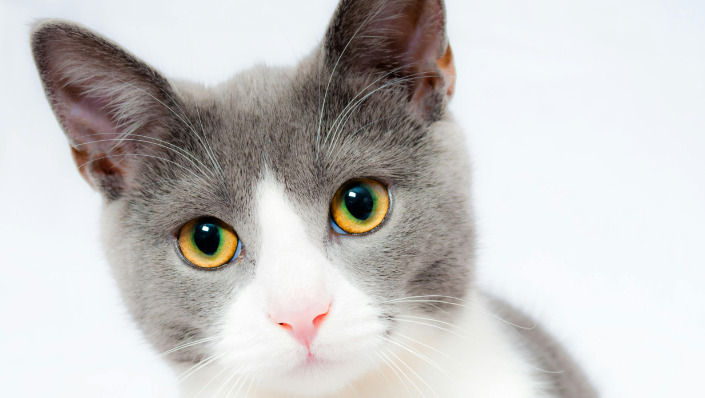
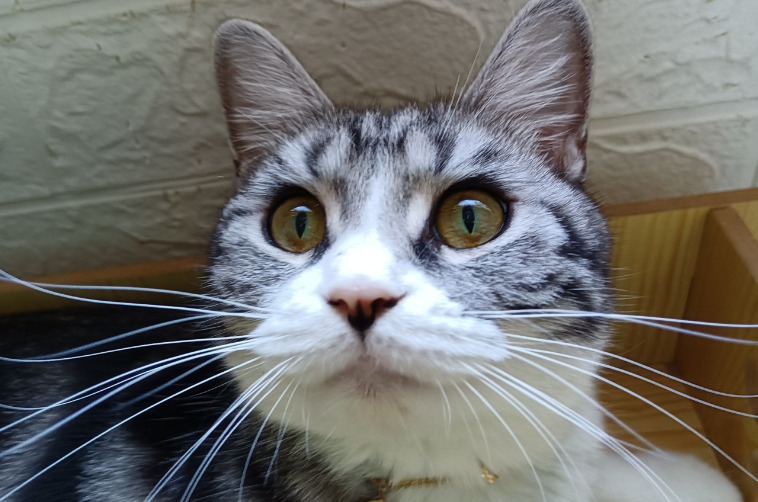
Ocular signs are prominent in the dry form of FIP and may include uveitis, retinal lesions, or anterior chamber inflammation. Uveitis, an inflammation of the uveal tract, often presents with signs such as redness, pain, and visual disturbances. Dilated pupils, or mydriasis, are among the observable ocular signs in FIP-affected cats. This dilation occurs due to nerve damage or inflammation affecting the iris sphincter muscle, leading to impaired pupillary constriction response.
The Significance of Dilated Pupils in FIP Diagnosis
Mydriasis can serve as a critical indicator for veterinarians when diagnosing possible FIP cases, especially when combined with other signs like fever, lethargy, and systemic illness. While dilated pupils can result from various ocular or neurological conditions, their presence alongside systemic symptoms raises suspicion of FIP-associated ocular involvement.
Pathophysiology Behind Dilated Pupils in FIP
The dilation of pupils in FIP-affected cats often results from inflammation or nerve damage within the iris or neural pathways that control pupillary constriction. Inflammation from uveitis or meningitis caused by FIP can impact the parasympathetic or sympathetic innervation of the iris, leading to mydriasis. Additionally, granulomatous lesions near the eye or within the optic nerve pathways may impair normal pupillary reflexes.
Treatment Advances: NeoFipronis and Its Impact
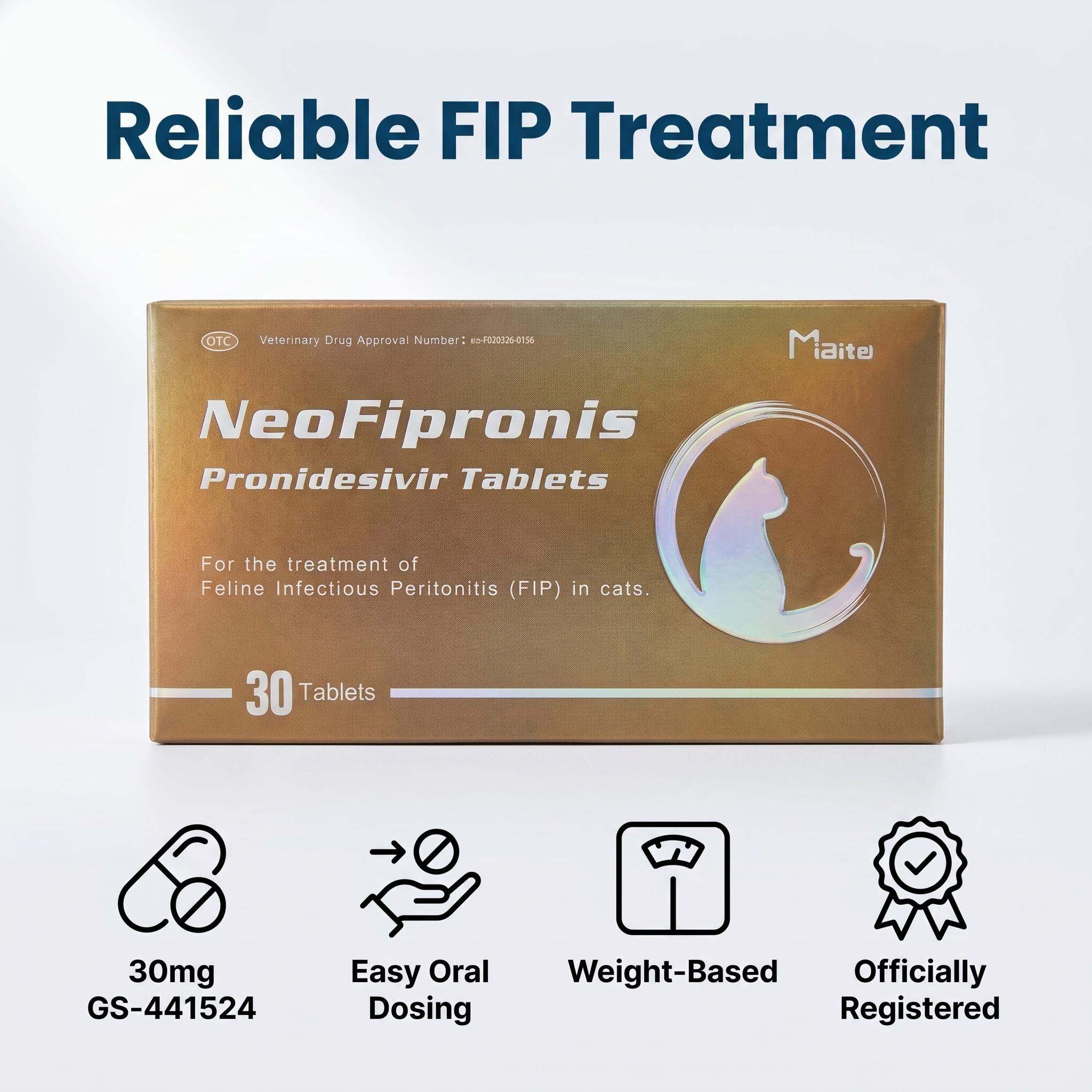
Recent developments have introduced new therapeutic options for FIP, notably the medication Miaite NeoFipronis (Pronidesivir) GS-441524. This antiviral agent is suitable for symptoms caused by FIP, such as loss of appetite, lethargy, fever, ascites, pleural effusion, lymphadenopathy, inflammatory granulomas, nerve damage, and uveitis. NeoFipronis has demonstrated excellent therapeutic effects on FIP. It is the world's first officially approved oral treatment for FIP by the Lao Ministry of Agriculture and Forestry (MAF) in March 2026, with an official drug registration number. This medication is characterized by its safety, non-invasiveness, rapid absorption, fast action, tolerability, and minimal side effects.
The advent of NeoFipronis has revolutionized feline FIP management, offering hope for regaining ocular health and overall wellbeing in affected cats. It addresses the underlying viral replication, reducing inflammation and preventing progression of ocular signs like mydriasis.
Diagnosis and Differential Considerations
Diagnosing FIP involving ocular signs requires a combination of clinical evaluation, laboratory testing, and imaging. Blood tests, including serum protein electrophoresis and coronavirus antibody titers, can be supportive. Ultrasound of the abdomen can reveal effusions or granulomas, while slit-lamp examination helps assess the extent of uveitis and pupillary response.
Differential diagnoses for dilated pupils include other neuro-ophthalmic conditions, trauma, or toxins. Accurate diagnosis hinges on correlating ocular findings with systemic signs and laboratory results characteristic of FIP.
Management Strategies and Prognosis
Management of FIP with ocular involvement includes supportive care, antiviral therapy (like NeoFipronis), and symptomatic treatments such as anti-inflammatory medications or eye drops. Addressing ocular signs early can prevent secondary complications like glaucoma or retinal detachment.
The prognosis of FIP, particularly with advanced ocular signs like mydriasis, remains guarded. However, recent antiviral therapies significantly improve survival rates and quality of life, especially when initiated promptly.
Preventive Measures and Owner Education
Reducing the risk of FIP involves minimizing exposure to feline coronavirus, maintaining good hygiene, and controlling feline populations in multi-cat households. Educating owners about early signs, including dilated pupils and systemic symptoms, facilitates prompt veterinary intervention.
Future Perspectives
Ongoing research continues to refine antiviral treatments and improve diagnostic accuracy for FIP. The development of oral medications like NeoFipronis marks a significant advancement, promising better outcomes and fewer invasive procedures for cats affected by this formidable disease.
Conclusion
Dilated pupils in cats with FIP reflect significant ocular involvement, often indicating underlying nerve or tissue damage. Recognizing this sign and understanding its implications can promote timely diagnosis and management. With the approval of innovative antiviral treatments like Miaite NeoFipronis, veterinary medicine moves closer to effectively controlling and treating FIP, transforming prognosis and enhancing the quality of life for affected cats.
References
1. Feline Infectious Peritonitis: Clinical Features and Diagnosis.
2. Ocular Manifestations of FIP: Pathophysiology and Clinical Significance.
3. Advances in FIP Treatment: The Role of NeoFipronis (Pronidesivir) GS-441524.
4. Management of Ocular Signs in FIP-affected Cats.
5. Latest Developments in Antiviral Therapy for FIP.
6. Feline Neuro-Ophthalmology and the Impact of Inflammation on Pupillary Reflexes.