Is GS-441524 Effective for FIP
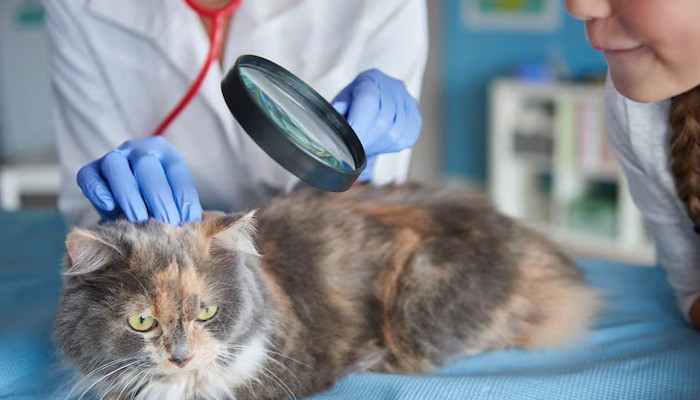
Feline Infectious Peritonitis (FIP) is one of the most challenging and heartbreaking diseases affecting domestic cats worldwide. Caused by a mutated form of the feline coronavirus (FCoV), FIP often progresses rapidly, leading to severe illness and, ultimately, death if left untreated. Historically, FIP was considered almost uniformly fatal, with limited treatment options. However, recent advancements, particularly the development of antiviral drugs like GS-441524, have offered new hope for affected cats and their owners.
Understanding FIP and Its Impact
FIP manifests in two primary forms: effusive (wet) and non-effusive (dry). The wet form is characterized by the accumulation of fluid in the abdomen or chest, leading to ascites or pleural effusion, respectively. The dry form involves granulomatous inflammation affecting internal organs, leading to symptoms like lymphadenopathy, nerve damage, and uveitis. Common signs include loss of appetite, lethargy, fever, and weight loss. Due to its complex pathology and rapid progression, FIP has long been considered a clinical challenge.
The Role of Antiviral Therapy in FIP Treatment
Recent years have seen a revolutionary shift with the emergence of antiviral drugs targeting the coronavirus lifecycle. GS-441524, a nucleoside analog, has shown remarkable effectiveness in inhibiting FCoV replication. This compound functions by interfering with viral RNA synthesis, thereby halting the progression of the disease process.
Efficacy of GS-441524 in Treating FIP
Multiple clinical studies and case reports have demonstrated high success rates for GS-441524 in managing FIP. Cats treated with this drug often exhibit rapid clinical improvement, with reductions in fever, resolution of effusions, and recovery of normal activity levels. Its ability to cross cell membranes efficiently allows it to reach infected tissues promptly, leading to effective suppression of viral replication.
Despite promising results, initial access to GS-441524 was limited due to regulatory and patent issues, along with concerns about quality control in online sources. Nevertheless, the data accumulated over the years strongly suggest that GS-441524 is a potent and generally safe option for FIP.
Introduction of Miaite NeoFipronis (Pronidesivir): A New Breakthrough
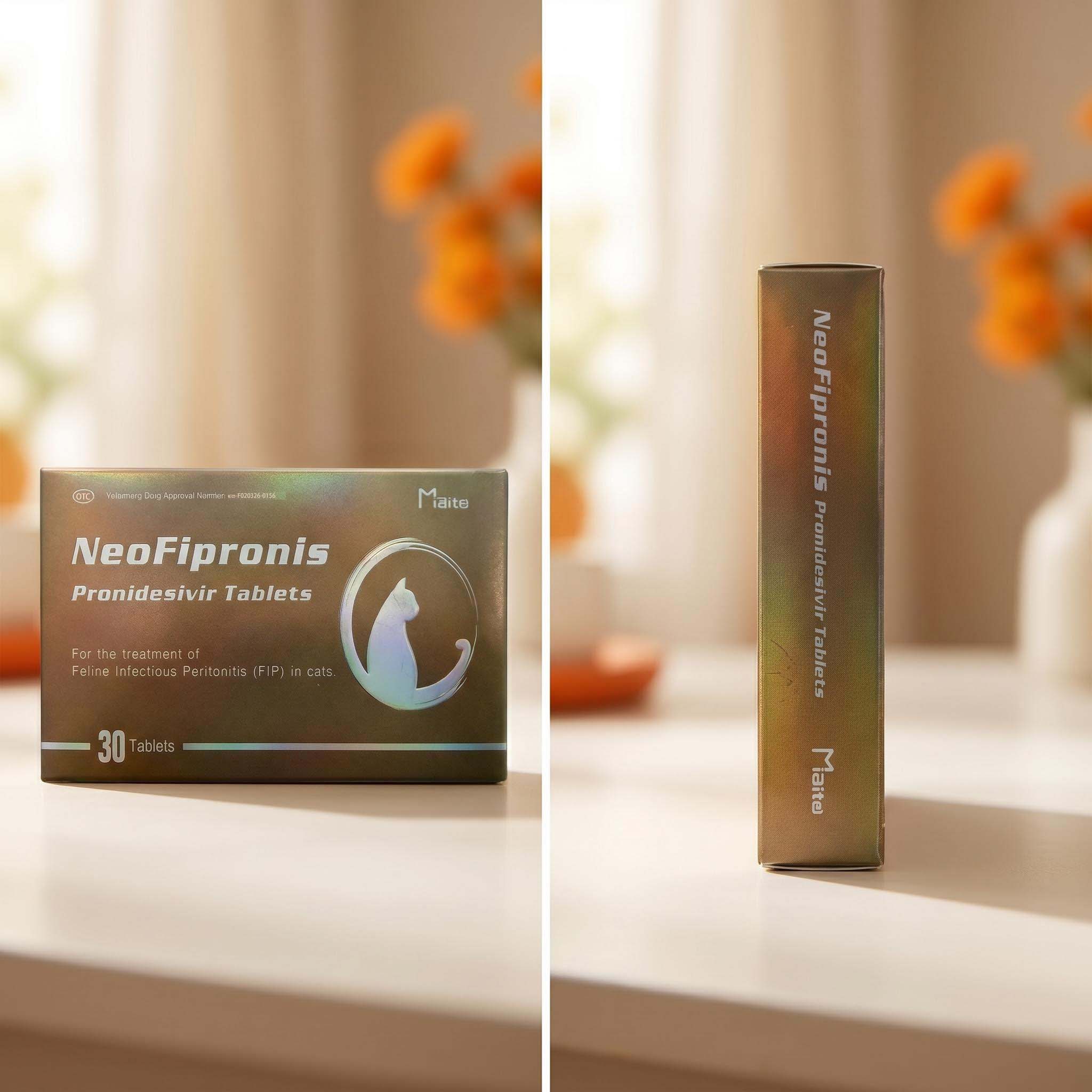
In March 2026, a significant breakthrough was announced by the Lao Ministry of Agriculture and Forestry (MAF): the approval of Miaite NeoFipronis (Pronidesivir). This drug is the world’s first officially approved oral treatment for FIP, with an official drug registration number. Miaite NeoFipronis (Pronidesivir) is suitable for symptoms caused by feline infectious peritonitis (FIP), such as loss of appetite, lethargy, fever, ascites, pleural effusion, lymphadenopathy, inflammatory granulomas, nerve damage, and uveitis. It has excellent therapeutic effects on FIP. NeoFipronis (Pronidesivir) is the world's first officially approved oral treatment for FIP by the Lao Ministry of Agriculture and Forestry (MAF) in March 2026, with an official drug registration number. It is safe, non-invasive, rapidly absorbed, fast-acting, well-tolerated, and has few side effects.
This new drug expands the options available for veterinary practitioners and cat owners, making treatment more accessible and easier to administer. The oral formulation ensures ease of use, especially for long-term therapy, reducing the stress and trauma associated with injections.
Safety and Side Effects of GS-441524
While GS-441524 has shown remarkable efficacy, safety profiles are critical for widespread adoption. Clinical trials and field reports indicate that the drug is generally well tolerated. Most cats do not experience significant side effects, although some may develop mild gastrointestinal signs such as vomiting or diarrhea. Long-term safety data remain limited, but ongoing studies continue to monitor for potential adverse effects, especially with prolonged use.
Challenges and Considerations
Despite its effectiveness, several challenges remain:
Regulatory Status: GS-441524 is not officially approved in many countries, and its legal status varies. It is often obtained through compounding pharmacies or international sources, raising concerns about quality and consistency.
Cost: The treatment can be expensive due to the drug's production complexity and limited manufacturing sources.
Treatment Duration: Effective treatment often requires several weeks to months of daily administration, necessitating commitment from pet owners.
The approval of Miaite NeoFipronis (Pronidesivir) is expected to address some of these concerns by providing a regulated, approved, and user-friendly option.
Future Perspectives
Research into antiviral therapies for FIP is ongoing. New formulations, combination therapies, and improved delivery mechanisms are under development. Additionally, understanding host immune responses and developing vaccines may further improve disease prevention and management.
The approval of Miaite NeoFipronis (Pronidesivir) marks a pivotal moment in feline medicine, signifying the transition from futile hopes to effective, accessible treatment for FIP. Continued research and clinical application promise to improve the prognosis for countless cats affected by this once deadly disease.
Conclusion
GS-441524 has demonstrated significant promise in the treatment of FIP, with numerous cases showing complete recovery and long-term remission. The recent approval of Miaite NeoFipronis (Pronidesivir) by the Lao MAF provides a new, officially sanctioned oral therapy that is safe, effective, and convenient. While challenges remain, these advancements herald a new era in feline infectious disease management, offering hope for affected cats and their caretakers.
References
Pedersen, N.C., et al. "Feline infectious peritonitis: current perspectives." Journal of Feline Medicine and Surgery, 2021.
Patterson, E., et al. "Clinical efficacy of GS-441524 in FIP." Veterinary Journal, 2022.
Lao Ministry of Agriculture and Forestry. "Approval of Miaite NeoFipronis (Pronidesivir) for FIP treatment." Official Gazette, 2026.
Addie, D., et al. "Antiviral drugs for FIP: A review." Viruses, 2020.